Two years ago, Triumph had never built a modern, competitive off-road motorcycle. Not a motocross bike. Not an enduro bike. Not a trail machine. Nothing.
Today, they are podium regulars in MXGP, race winners in AMA EnduroCross, title holders in British Enduro, Italian Enduro and British MX2 Motocross, and threats in FIM EnduroGP. Their all-new TF 250-E shocked the paddock with fifteen EnduroGP podiums in its debut season. Their TF 450-E won its first-ever AMA EnduroCross appearance with a 3-1-1 scorecard. Their TF 250-X has already carried Triumph to wins across MXGP, MX2 and international Supercross. And their global sales have surged 136 per cent since 2019, with Triumph delivering more than 141,000 motorcycles worldwide last financial year.
No other manufacturer in modern history has gone from zero dirt heritage to multi-discipline frontrunner this quickly.
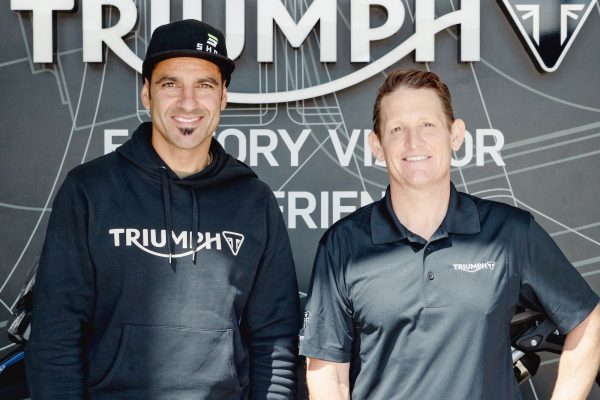
Behind this unprecedented takeover is a small circle of riders and engineers, including one man whose fingerprints are on almost every frame, engine, chassis and breakthrough moment: Ivan Cervantes.
Four-time Enduro World Champion. SuperEnduro World Champion. Dakar racer. Adventure-bike race winner. Guinness World Record holder. Test rider. Mentor.
This is the story of Triumph’s meteoric rise, told through the eyes of one of the men who helped build it from the ground up, Ivan Cervantes.
Where it all started
Ivan Cervantes remembers the beginning clearly. Not because it was glamorous, but because it sounded impossible.
“My first conversation about this project was at the end of 2019 so it’s been a long journey. But I’m very grateful to be involved with such a once in a lifetime opportunity. I feel like living my second youth because I’ve been riding so much and it allowed me to get back to a really good level in motocross. I’m convinced that the Triumph TF 250-X is one of the best bikes in the MX2 class at this moment.”
Triumph didn’t want to buy a platform, borrow a chassis or rebadge an engine. They didn’t want shortcuts. They wanted to beat the world on their own terms, which meant starting entirely from scratch.
From day one, Cervantes’ job was extreme. He had to test every engine configuration, evaluate multiple frame concepts, experiment with various suspension packages, compare brake pump technologies, and analyse different exhausts, wheels and gearing combinations — all while providing engineers with crystal-clear feedback about each iteration.
“I get to try all different iterations of the bike during the development process… different chassis, different engines and suspension. I also tried different options for brake pumps, different exhausts, wheels and sprockets. Basically anything that you can try.”
Progress wasn’t always linear. “Sometimes we needed to go two steps back and decide that a certain part didn’t work the way the engineers hoped.”
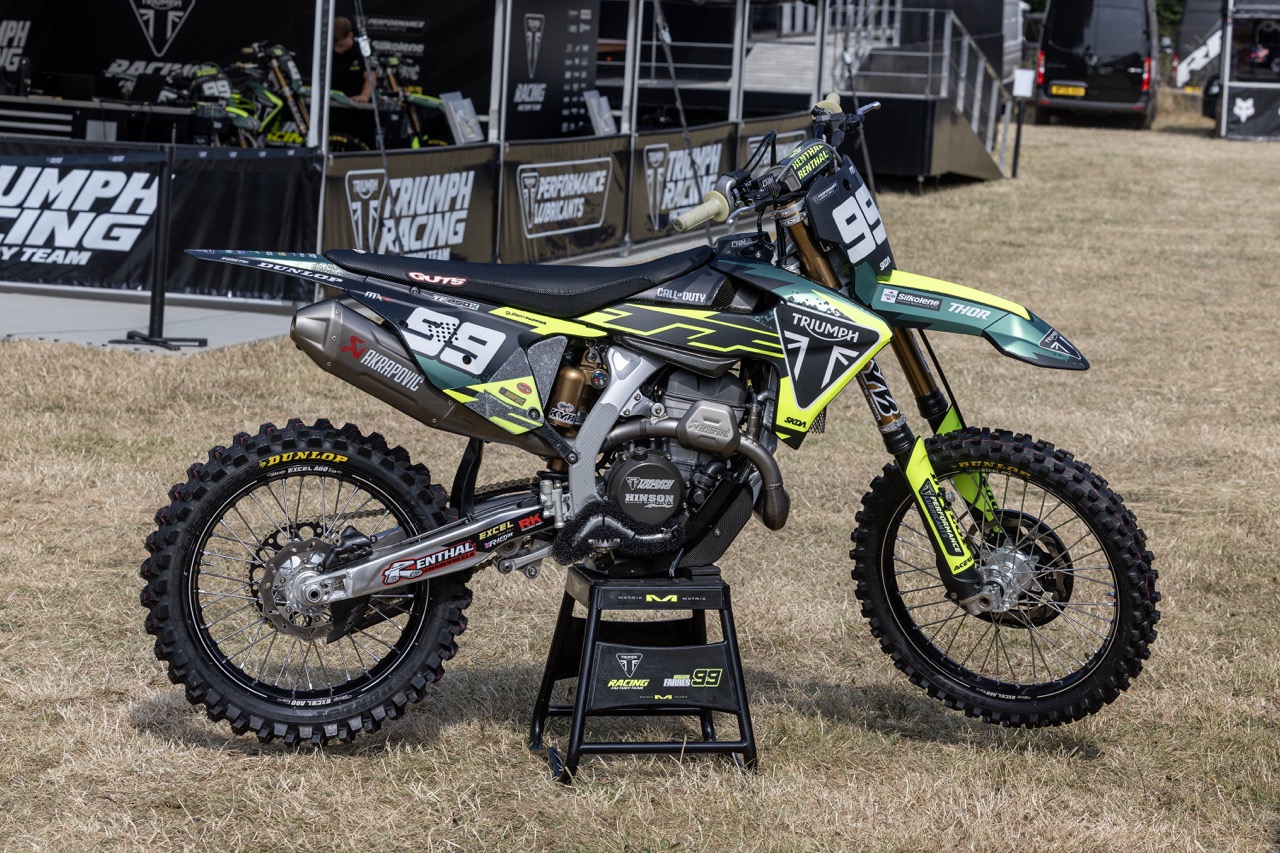
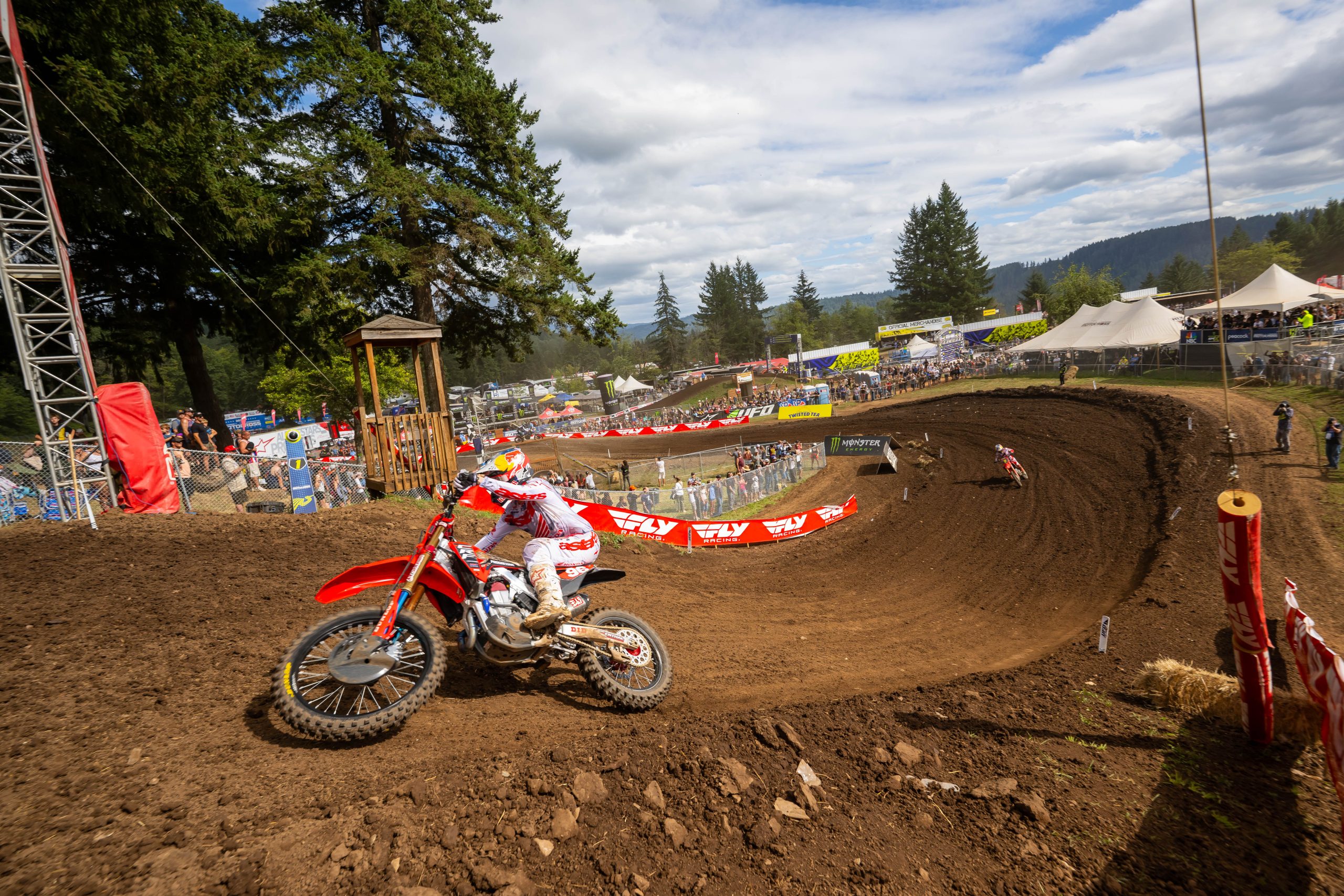
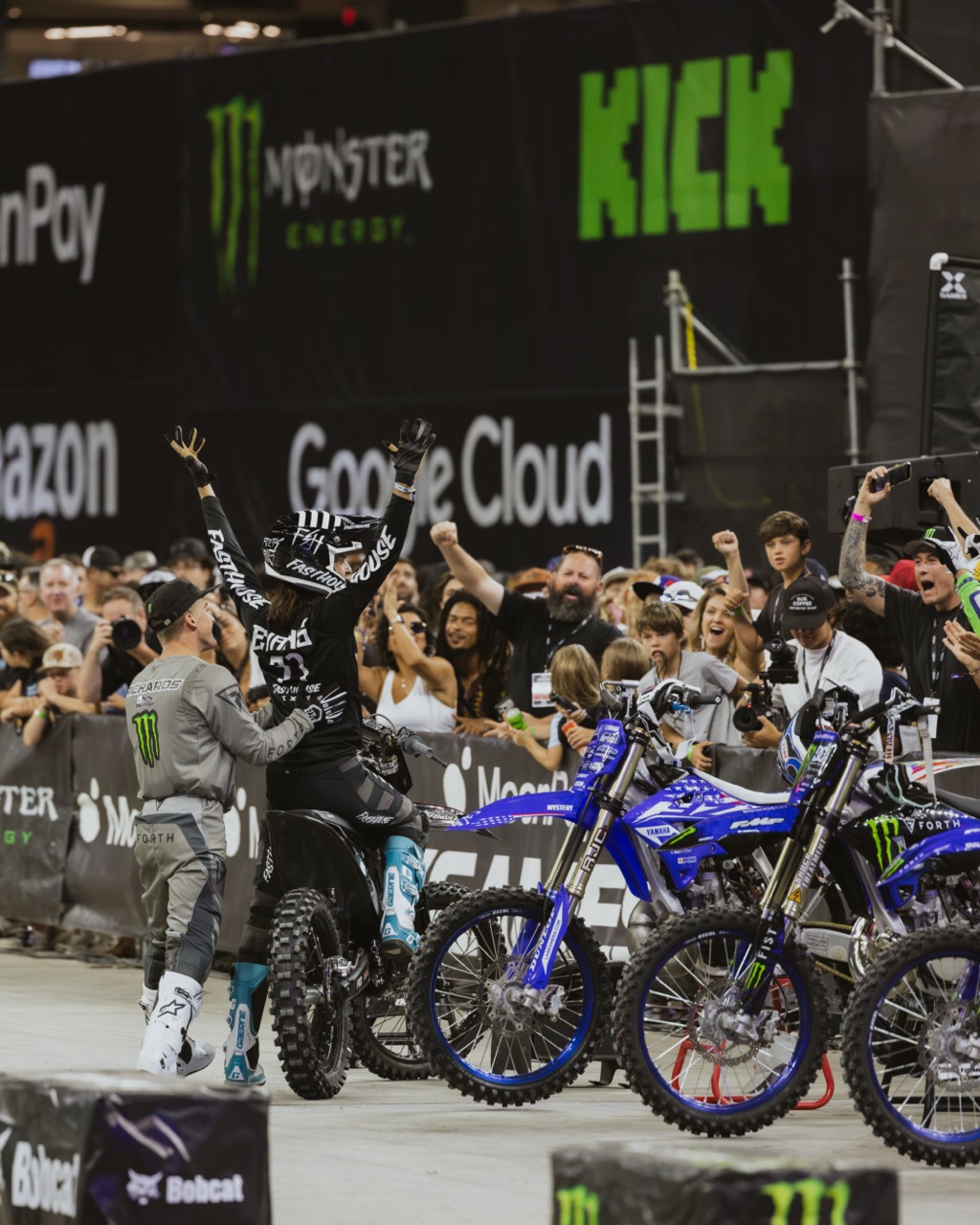
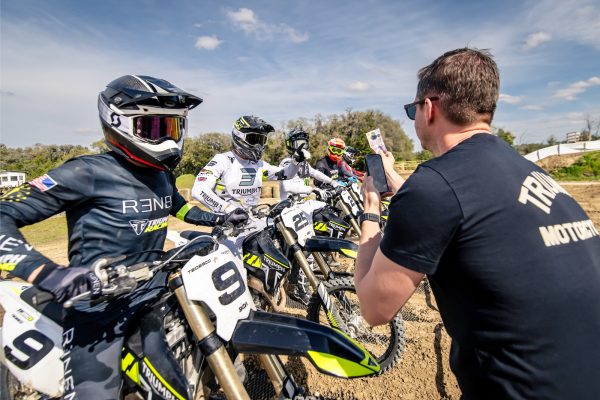
Triumph’s motocross program launched with Mikkel Haarup in MX2 and Jalek Swoll in AMA Supercross. Haarup stunned the sport by taking a podium at the very first MXGP Triumph ever entered, and even grabbed the holeshot in the second moto.
Cervantes still shakes his head. “Waw, it was an unbelievable moment… a huge statement for Triumph and a major achievement! I think that’s an historic feat for any manufacturer, to claim a podium in your very first race in such a competitive series. It gives me goosebumps talking about it actually.”
“The emotions from Argentina only compare to the public reveal of the bike at the LA Coliseum… To see Ricky Carmichael and Jeff Stanton enter the stadium that night was unreal.”
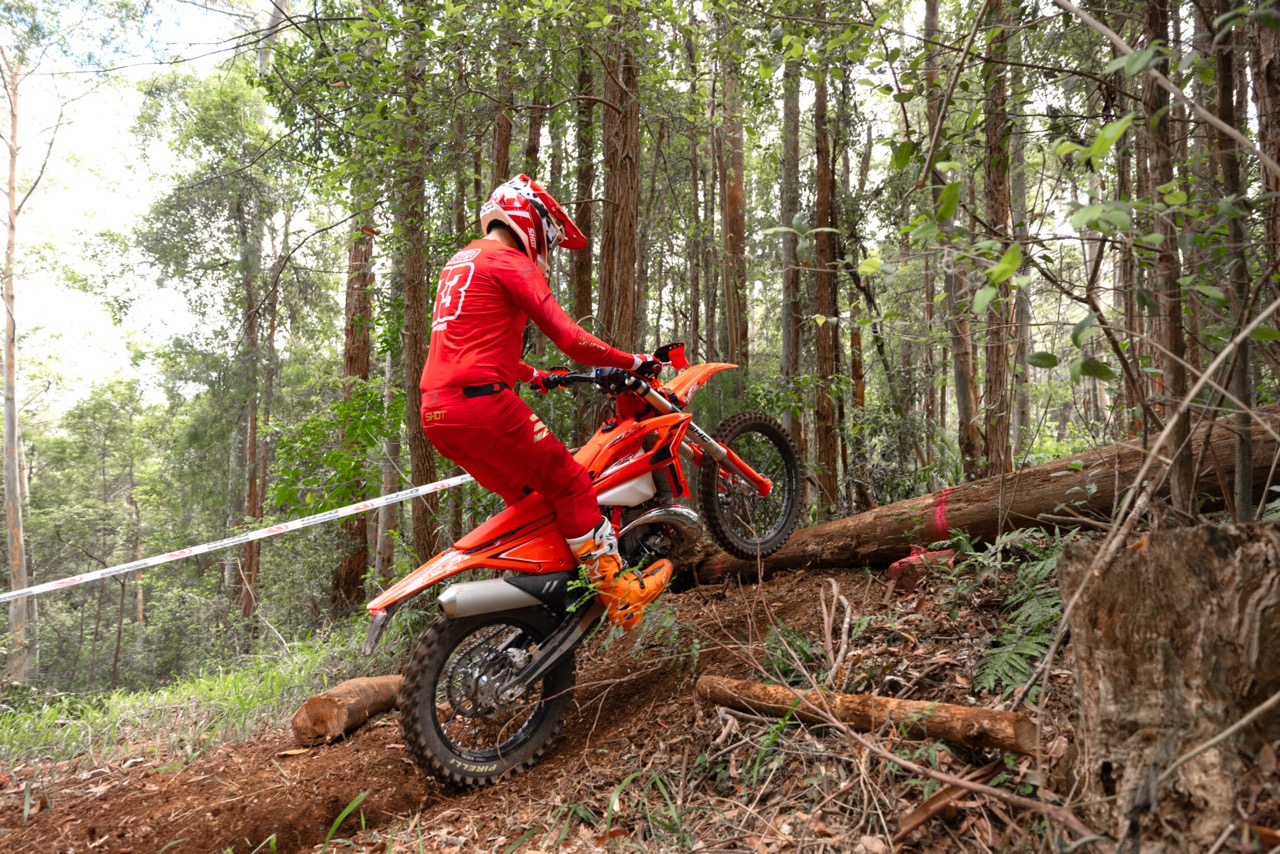
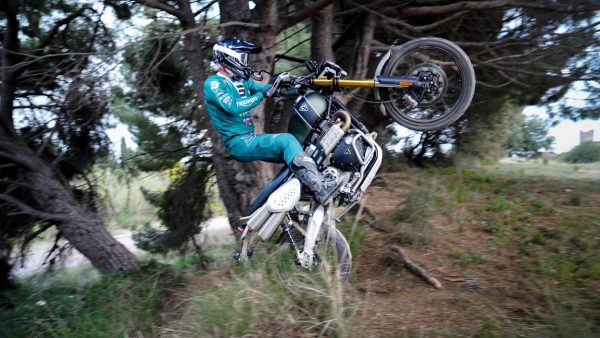
Then the TF 250-E made an immediate impact in the EnduroGP World Championship. In its very first weekend, the bike secured four top-ten finishes in the premier EnduroGP category and climbed onto the Enduro1 podium twice. By the end of the season, Triumph riders had achieved fifteen podiums in the Enduro1 class and secured third, fourth and fifth in the championship standings. Persson and Lesiardo also impressed at the International Six Days Enduro, where they helped Sweden to its first podium in seventeen years and contributed to Italy’s home victory. At national level, Triumph claimed the British Enduro Championship, the British Sprint Enduro Championship, and the Enduro1 title in the prestigious Italian Enduro series.
The Crew: Carmichael, Desalle, Tedesco, Cervantes
If you want to build world-class dirtbikes, you hire world-class riders. Triumph didn’t hire one. They hired four: Ricky Carmichael, Clément Desalle, Ivan Tedesco and Ivan Cervantes.
For Cervantes, it felt surreal. “When Ian Kimber, the Triumph project leader for motocross, told me that they hired Ricky I was speechless… From a personal point of view it was a dream coming true because I had Carmichael posters in my dad’s garage.”
What was more remarkable was the unity within the group. “One of the most remarkable things… all four of us were always united in our opinions on all of the major decisions.”
Four different riding styles. Four different eras. Four different priorities. Yet one direction. That unity created confidence. Confidence created progress. And progress created race results that far exceeded expectations.
Out of nowhere?
Triumph’s off-road surge is only one part of what has become a global wave of momentum for the brand. In the last financial year alone, Triumph sold over 141,683 motorcycles worldwide, making it the UK’s largest motorcycle manufacturer and marking a staggering 136 per cent increase in sales since 2019. This growth was fuelled by a global dealer network spanning 68 countries and almost 1,000 dealerships.
Now Triumph is preparing for a record-breaking rollout: twenty-nine new or updated models in just six months. Seven have already been announced, including the new TXP electric range and the TF 450-X, with the remaining twenty-two set to be unveiled in rapid succession across global events.
Cervantes’ path to Triumph
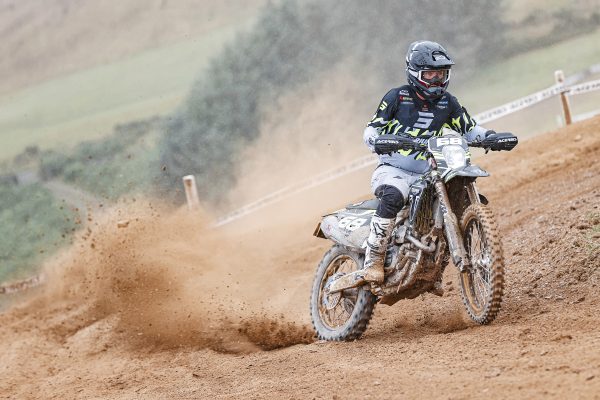
Cervantes isn’t just Triumph’s most important test rider; he is a map of off-road motorcycling over the past 25 years.
His love for bikes started like many kids – Christmas morning, 50cc bike under the tree – but insists: “At first I sucked really bad to be honest. My dad never pushed me but he encouraged me.”
He rose through motocross, transitioned accidentally into enduro, and within months was replacing Kari Tiainen, a seven-time world champion. He adapted so quickly that even he can’t properly explain it.
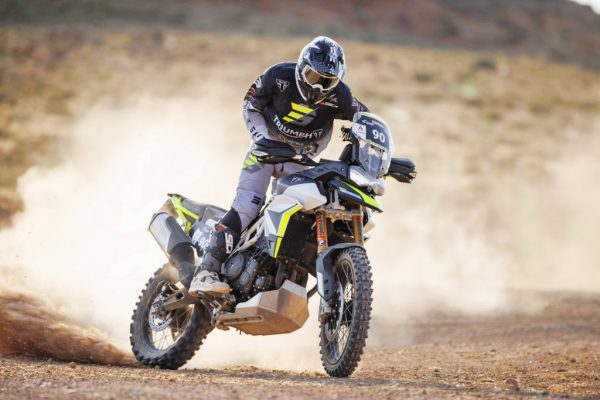
He raced against Ahola, Nambotin, Renet and Meo — names that defined the most competitive era of EnduroGP. He conquered world championships, SuperEnduro titles, and extreme tests. He raced Dakar, crashed at 160 km/h and came back. He raced adventure bikes in events they had no business succeeding in. He set a Guinness World Record by riding 4,012 kilometres in 24 hours on a Triumph Tiger 1200 GT Explorer.
Every discipline sharpened a different part of his instincts — all of which Triumph now benefits from.
Why Triumph succeeded where others failed
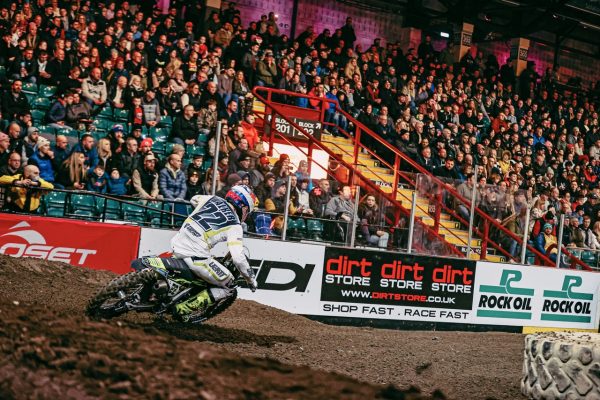
Many brands have dipped a toe into motocross or enduro. Triumph dived in at full speed and surfaced with trophies. Their success comes down to three key principles, each of which can be expressed clearly in sentences rather than dot points.
First, Triumph designed and engineered their race bikes completely in-house rather than adopting or modifying an existing platform. That decision made development harder, but it ensured the motorcycles were unmistakably Triumph in character and performance.
Second, they assembled one of the strongest testing groups ever seen in off-road motorcycle development. By bringing together riders as diverse and accomplished as Ricky Carmichael, Clément Desalle, Ivan Tedesco and Ivan Cervantes, Triumph built a feedback loop that combined multiple generations, multiple disciplines and multiple riding styles into one unified direction.
And third, Triumph committed to racing from the very beginning rather than waiting years to validate their platforms. They chose to develop their motorcycles under the harshest conditions first — factory gates, world championship tracks and international race pressure — before handing them to customers.
At 42, Cervantes says Triumph makes him feel young again. He’s been a part of every off-road discipline imaginable, but the Triumph project of building a full motocross and enduro lineup from scratch, stands apart.
It is legacy work, and he knows it. Triumph’s dirt machines are no longer novelties. They are contenders.