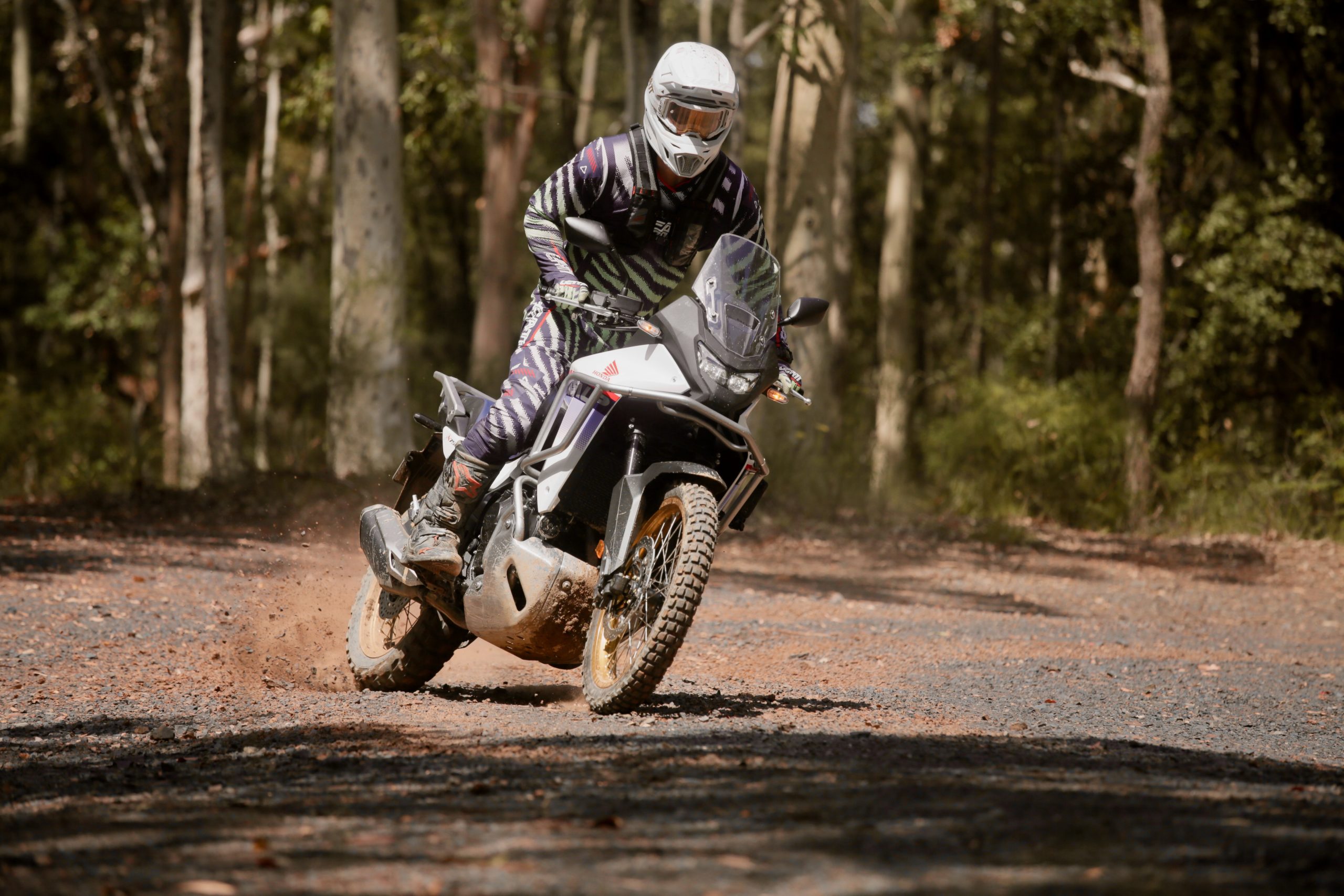
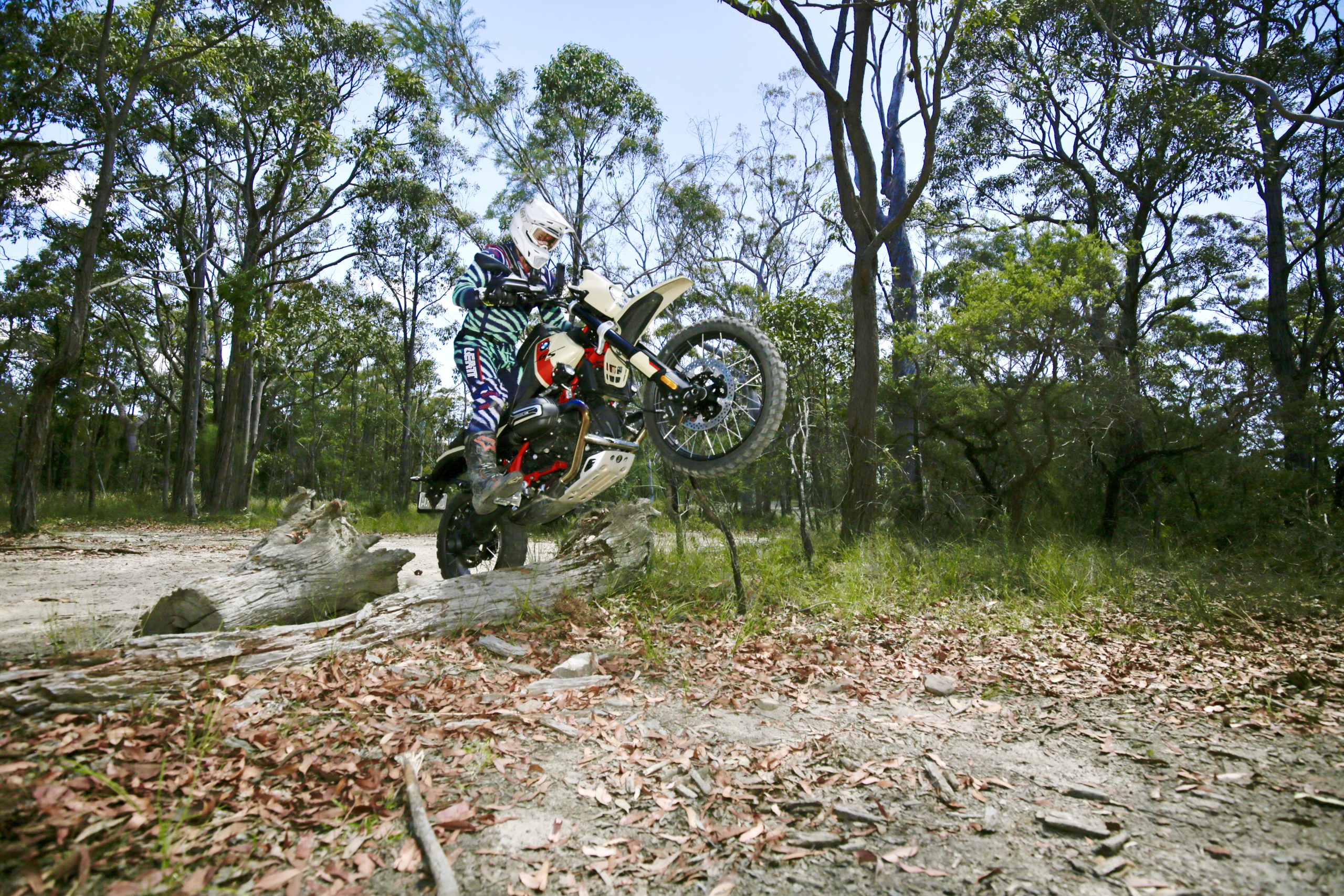
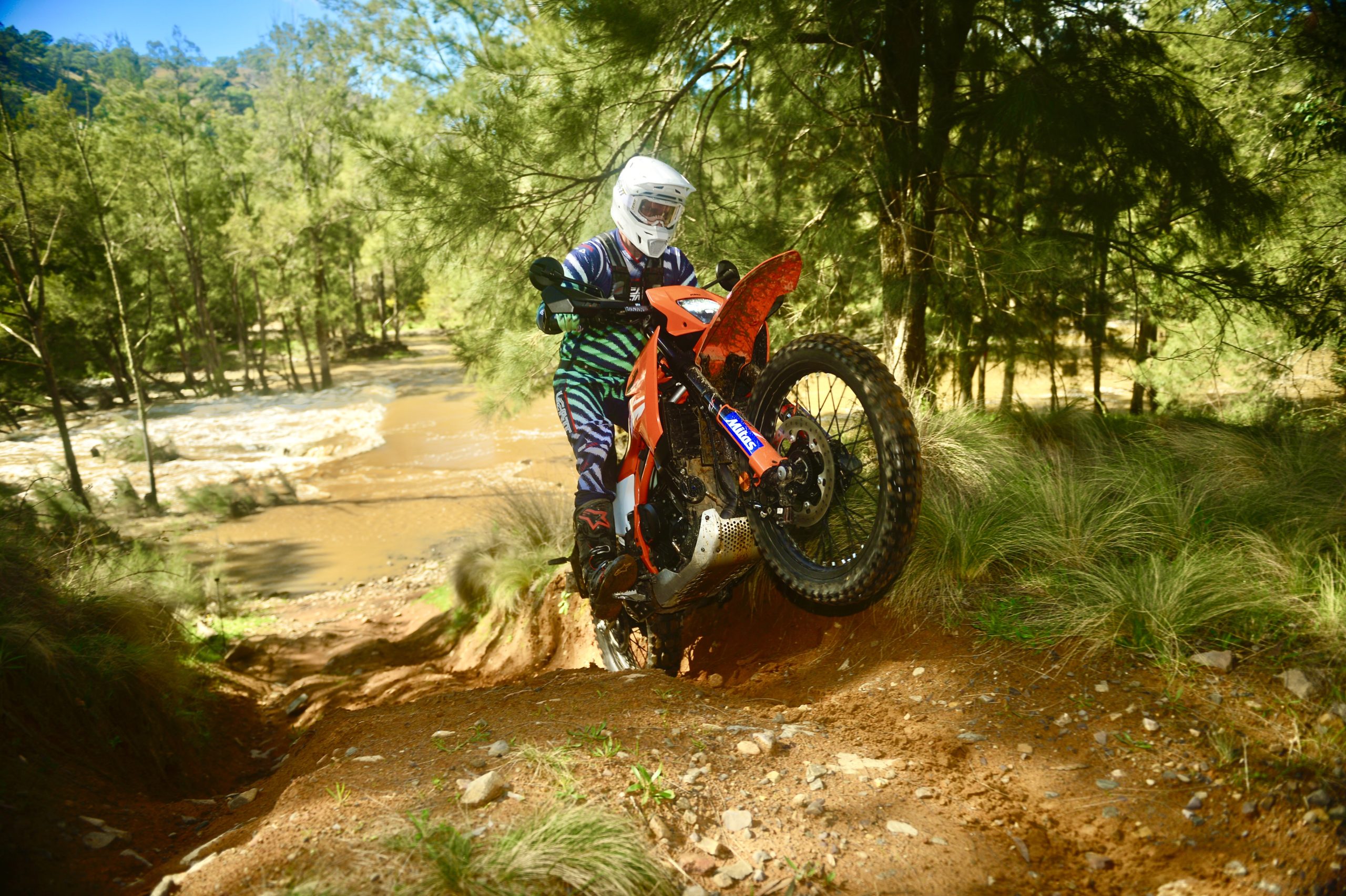
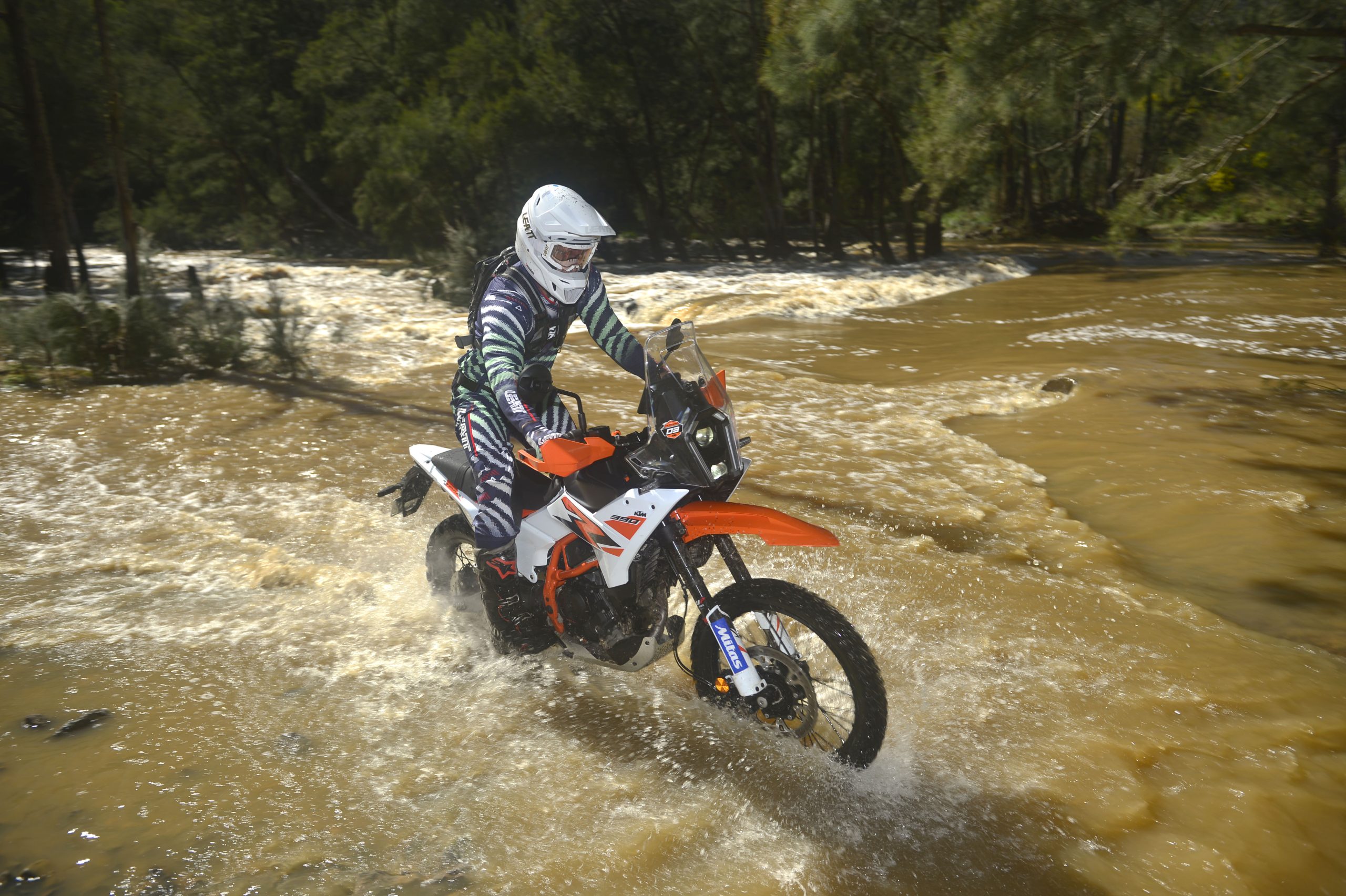
I first swung a leg over Royal Enfield’s reborn Himalayan back in October 2023, somewhere high in the actual Himalayas, where oxygen is optional and guardrails are more of a suggestion than a guarantee. Royal Enfield had carved an entire mountainside into their own little village for the launch, lights, flags, bonfires, dancers, the works. Off the bike it was pure Bollywood fever dream, the kind of launch where you wonder if you should be wearing riding boots or sequins. But the moment the wheels hit dirt, it was straight into wild Himalayan testing: blind switchbacks, cliff drops that go forever, and enough altitude to make your brain rattle in your helmet.
That trip left a mark. Not just because of the chaos, the curry-induced hallucinations, or the fact we were testing motorcycles on what felt like the roof of the world, it was because the new model was actually that good. A huge leap over the old bike. More power, better chassis, proper off-road manners, and at the time, nothing else under ten grand really came close. I remember riding away from that launch thinking, without hesitation, “That’s the best adventure bike you can buy for under $10k.” Big call, yes. But the Himalayan earned it.
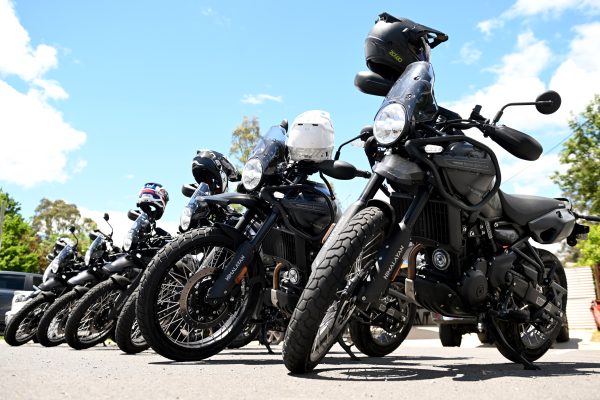
Fast forward, the market isn’t as quiet anymore. The CFMOTO 450 arrived swinging, KTM launched the 390 Adventure, and a few more brands have realised that the sub-$10K ADV space is where the volume, and the fun, is. So when Royal Enfield dropped the new Mana Black Edition, a tougher, factory-accessorised Himalayan inspired by the brutally high Mana Pass, we saw the perfect chance to revisit our claim. A fresh look, more off-road focus, and that Sherpa 450 still humming away underneath, it looked the part. But does it still own the entry-level adventure crown?
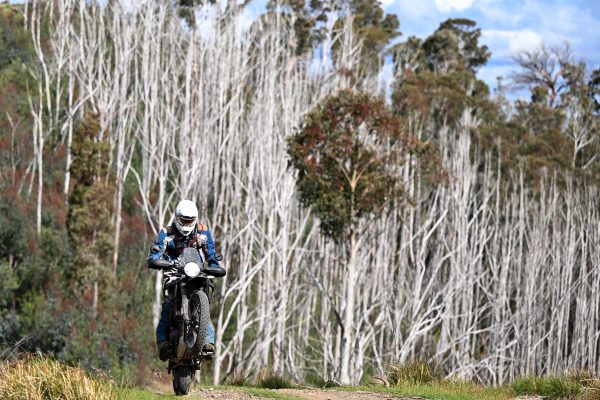
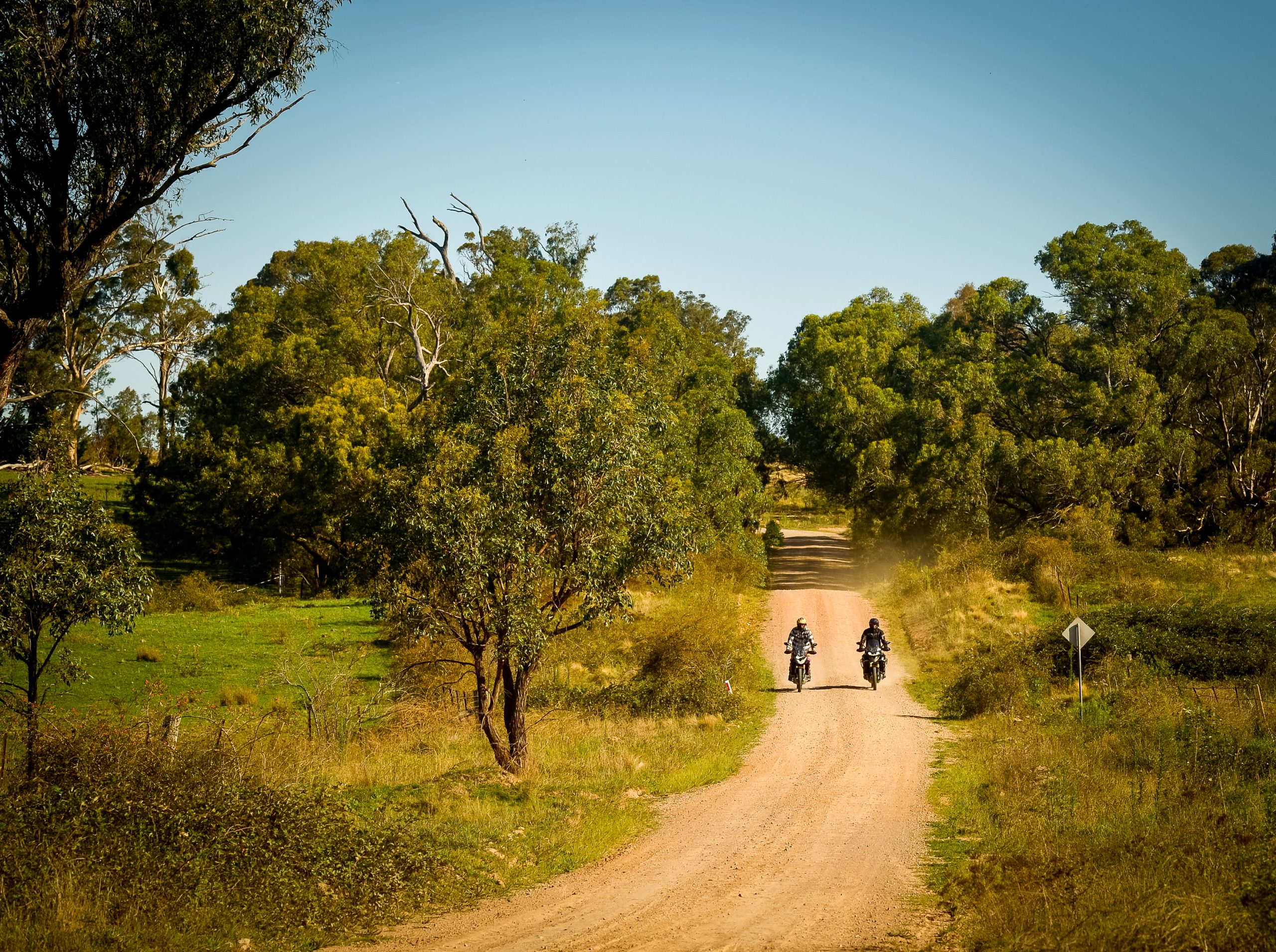
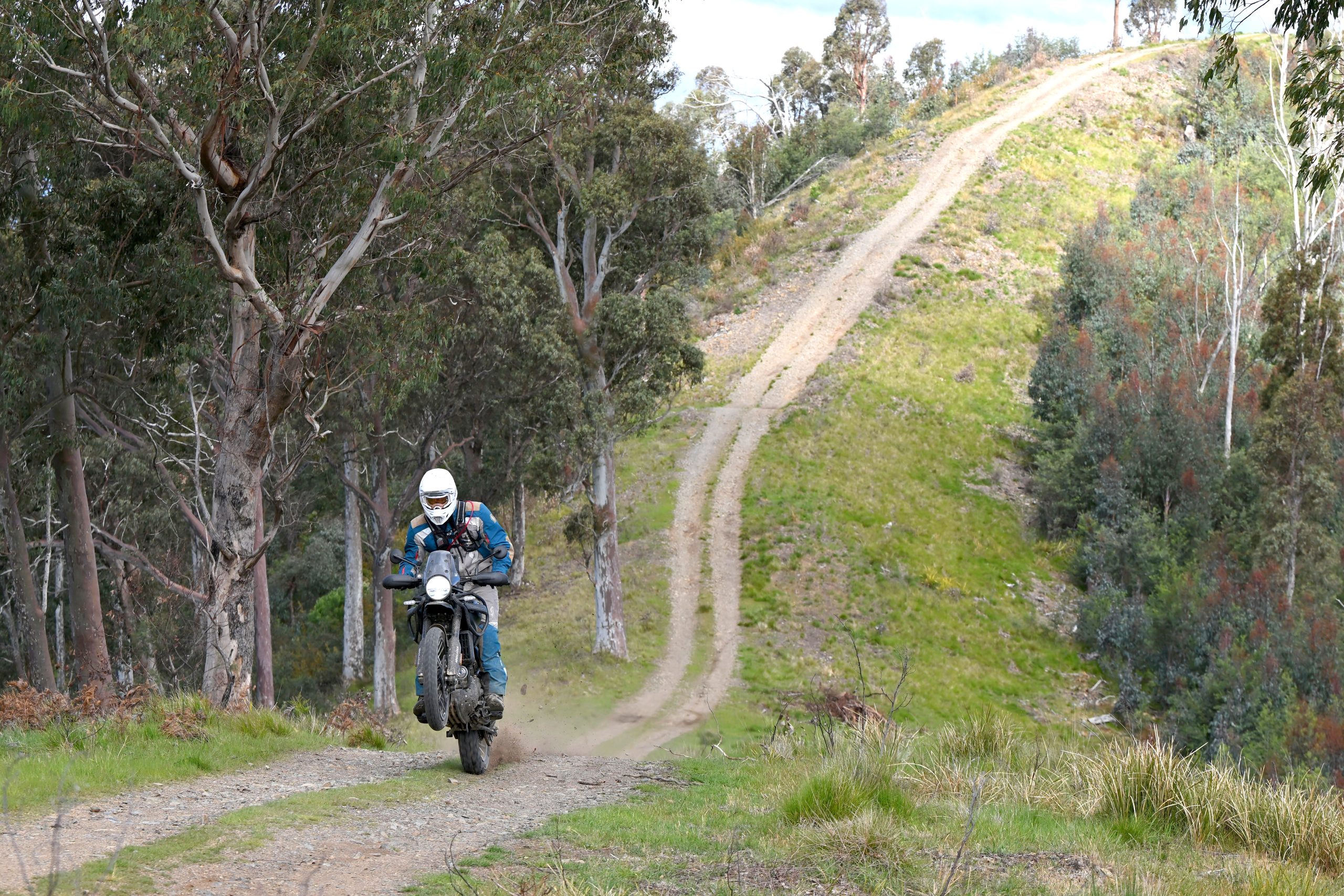
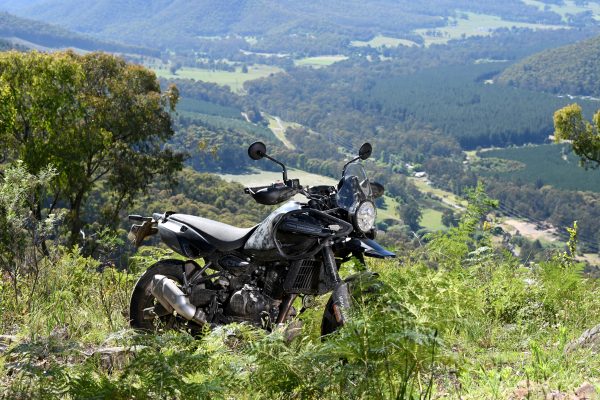
To find out, we took the Mana Black into the Victorian High Country for two days of proper Australian punishment. Real trails, real climbs, river crossings, rocky ridgelines, and the kind of riding that exposes a pretender in minutes. No Bollywood dancers this time, just cold mornings, wet boots, and the type of terrain where an ADV bike either shines or sends you home on a recovery trailer. If the Himalayan was going to remain king of the sub-$10K adventure class, this would be its reckoning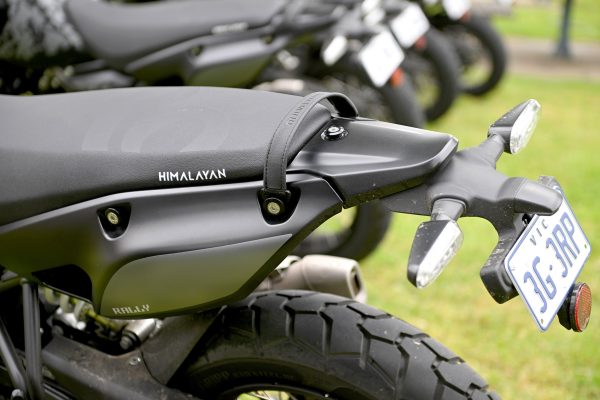
What’s New on the Himalayan Mana Black Edition
The Mana Black Edition builds on the latest-generation Himalayan platform and adds a curated package of factory-fitted adventure equipment inspired by Mana Pass, one of the world’s highest and harshest motorable routes at 5,632 metres. The theme here is durability, off-road ergonomics, and readiness straight out of the crate, wrapped in a finish that reflects the rugged terrain it’s named after.
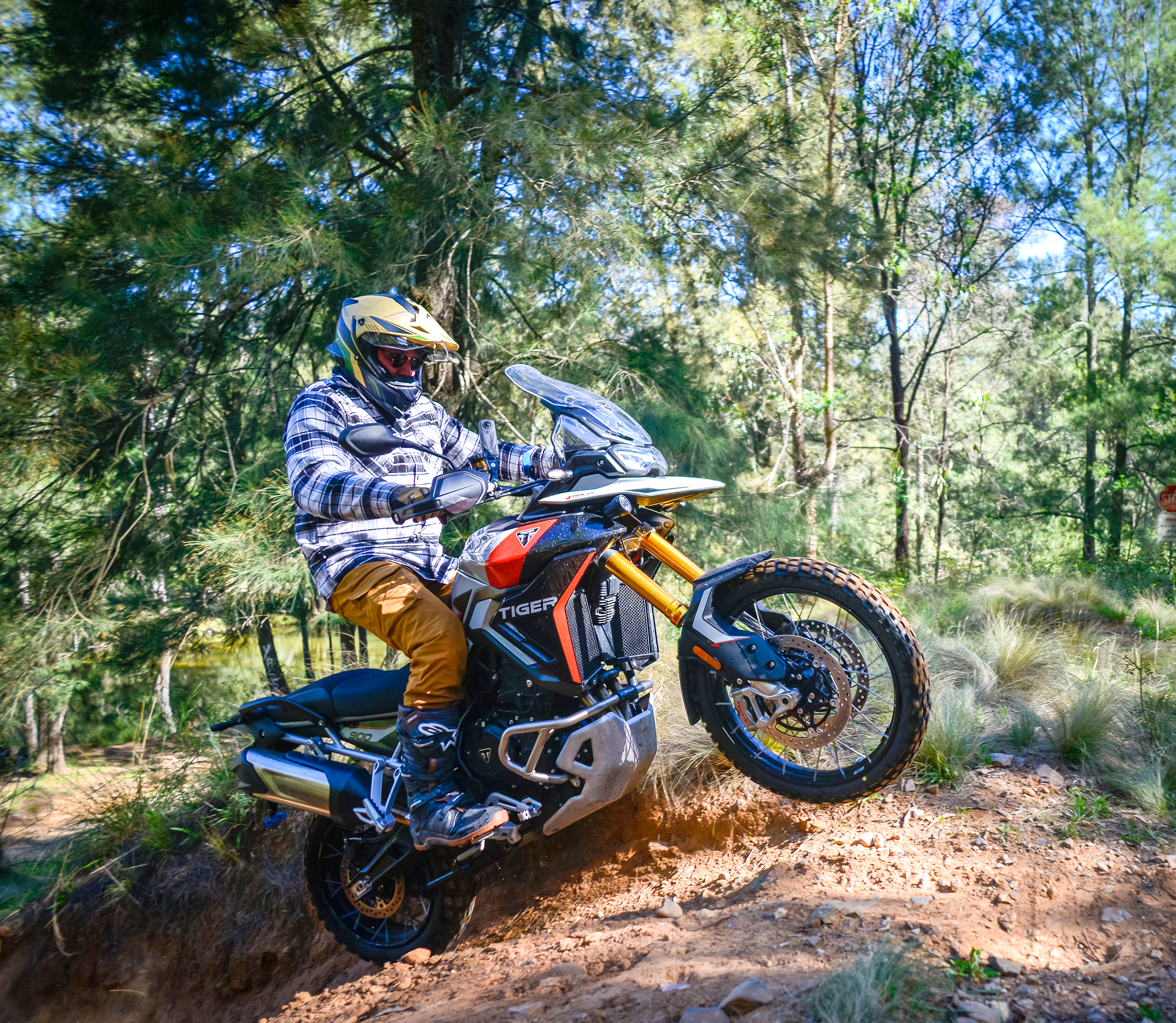
Royal Enfield has given the Mana Black a distinctive Stealth Black paint scheme with matte detailing, creating a minimalist, utilitarian look that separates it from the standard models. This edition also arrives with a complete suite of adventure accessories already fitted at the factory. Black Rally hand guards provide additional protection in rocky and technical terrain, while the Black Rally seat offers a grippier surface and improved long-distance comfort, especially when riding aggressively off-road.
A redesigned Rally-style front mudguard sits higher and is better suited to loose surfaces and muddy tracks, reinforcing the bike’s off-road intentions. One of the most practical upgrades is the addition of tubeless spoked wheels, which combine the flexibility of a spoked rim with the convenience and repairability of a tubeless tyre, an important advantage for remote-area riding.
Mechanically, the Mana Black Edition remains unchanged, retaining the Sherpa 450 engine and the new Himalayan chassis introduced with the latest model update. The result is a Himalayan that not only looks tougher but arrives ride-ready for more demanding terrain without requiring additional setup or accessories.
Has my opinion changed?
Looking back at October 2023, it still feels surreal that Royal Enfield built a temporary city halfway up a Himalayan mountainside just to launch a motorcycle. It was the moment I realised the brand had gone from “quirky, rugged budget bike” to “genuinely competitive adventure platform.” The Sherpa 450 engine was a revelation, liquid cooling, proper power, linear torque, and a gearbox that felt far more sorted than anything Enfield had produced before. The Showa fork was another surprise: predictable, strong, and confidence-inspiring above 100 km/h on rough dirt roads. Everything about that bike suggested Royal Enfield had finally built the Himalayan they always wanted to build.
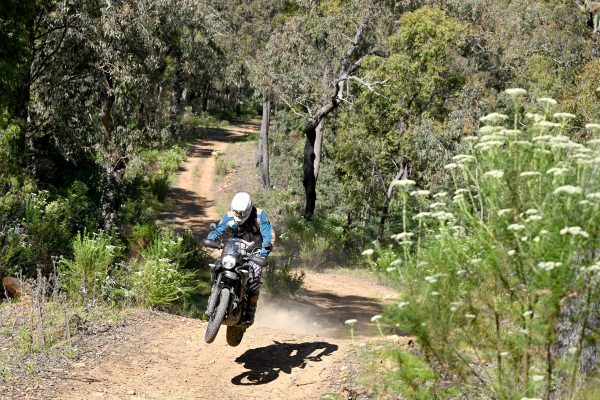
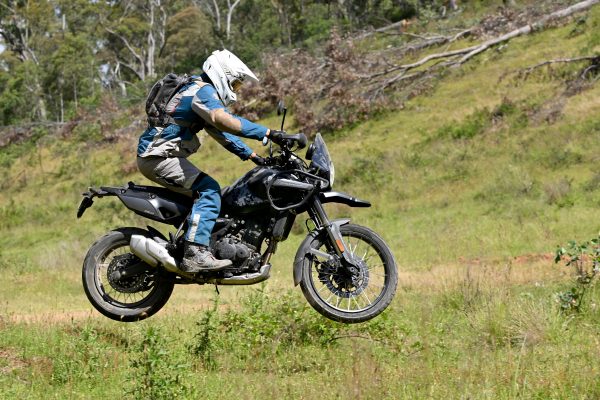
Jump forward to the Mana Black Edition in 2025 and the contrast between the two tests couldn’t be sharper. Instead of altitude-induced headaches and curry-fuelled hallucinations, we had the crisp mornings and rugged ridgelines of Victoria’s High Country. But the interesting part is how quickly I snapped back into that “Himalayan rhythm.” The moment the wheels touched dirt, the Sherpa 450 reminded me why I’d been so impressed in 2023. Nothing about its character has faded. If anything, returning to the platform after a year and a half reinforced just how sorted the engine is. It still pulls from nothing, tractors up rocky climbs with zero drama, and revs far cleaner than you expect from a simple single. It still feels like the bike wants to reward unhurried, efficient riding rather than brute aggression, but if you decide to chase Chaz, our lead rider, through a rocky downhill, it’ll let you. We spent an afternoon pushing it hard, smashing into roots and baby-heads, drifting the front into loose corners, revving it out on flowing two-track, and the motor never felt overwhelmed or out of place.
One of the biggest differences between Himalayan 2023 and Mana Black 2025 isn’t the performance, it’s the purpose. The original test was all about proving the Himalayan had become a “real” adventure bike. The Mana Black test was about discovering how far you can push that base platform. The rally seat, for example, changes the whole rider triangle in a good way. You sit taller, with more room between footpegs and hips, and it suddenly feels more like an off-road bike than a small ADV. At 188 cm, the seat actually suits me better, my knees slot in naturally, and the narrow shape means I was still able to dab a foot if needed. Standing up on steep climbs and loose descents felt more natural too; the seat encourages that dirtbike-style movement the original Himalayan hinted at but never fully embraced.
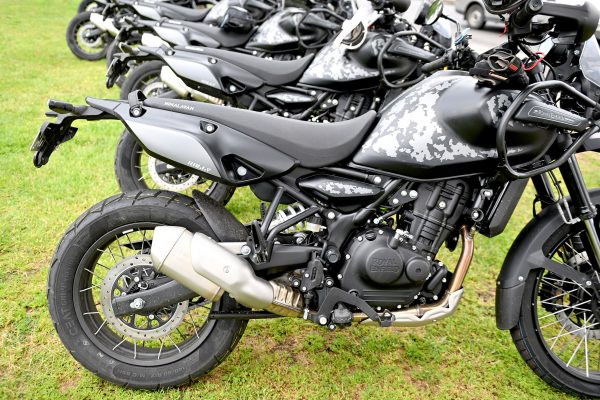
The tubeless spoked wheels turned out to be more than just a spec-sheet upgrade. In pure practical terms, they saved the day. When one of the testers picked up a flat on a rocky section late in the afternoon, we didn’t have to pull a wheel off or wrestle with tubes, just plugged the hole and kept riding. The plug held through rocks, water crossings, river stones, and long stretches of corrugated trail the next day. And despite my concerns about dinging rims, the Mana Black’s wheels held their shape. We hit some pretty brutal edges following Chaz, and not once did a rim fold. The combination of tubeless convenience and the flex of a spoked wheel is something the Himalayan platform benefits from.
The suspension story is the same as 2023. Back in the Himalayas, I was were surprised by how capable the 43 mm Showa fork was, predictable, stable, and comfortable at pace. In the High Country, on faster fire trails and rougher technical climbs, that impression solidified. Yes, the fork is soft. Yes, heavier riders will still want a firmer spring. But the predictability remains its superpower. It never wanders, never tucks without warning, and never punishes you unless you’re truly over-riding the bike.
The new rear-end design, stripped back, blacked out, more rally-oriented, also changes the feel of the bike. The lack of side racks makes it cleaner and more focused for off-road use, and the integrated grab handle has already proven its worth. Whether you’re dragging the bike backwards, repositioning it after a stall on a hill, or just trying to free the rear wheel from a rut, that handle is the unsung hero of low-speed adventure riding. It’s the sort of thing you don’t appreciate until you need it.
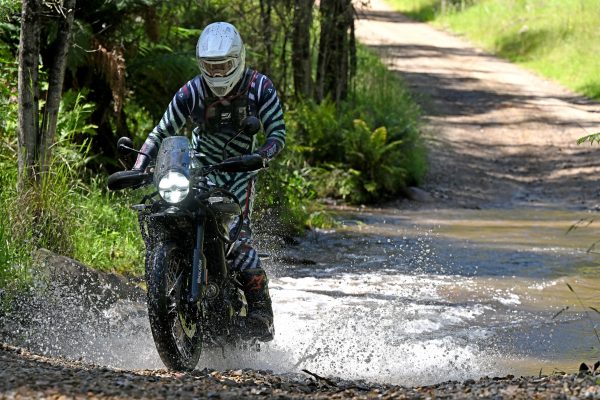
What stands out most when comparing the two tests is how the Himalayan platform behaves across extremes. In India, it handled the altitude, chaos, and rough terrain without complaint, no overheating, no flaming out, no mechanical tantrums. In Victoria, it swallowed rocks, ruts, river crossings and fast trails the same. I believe the Mana Black is the adventure-world equivalent of the Top Gear indestructible Hilux. Two years, two continents, two completely different types of punishment, and the bike still feels unbreakable.
The rally seat, hand guards, tubeless rims, grab handles and simplified rear-end hasn’t changed my opinion of the Himalayan: It’s still the best value, reliable no-fuss adventire bike for just over $10,000. The competition is fiercer now with the CFMOTO and KTM options in the mix, but the Himalayan still feels like the one to beat.
In 2023, the Himalayan shocked me with how good it had become. In 2025, the Mana Black reassures me that Royal Enfield built something that lasts, something that’s not just good for the price, but good full stop.
Royal Enfield Himalayan 450
Engine
Type: Liquid-Cooled, Single-Cylinder, DOHC
Displacement: 452cc
Bore & Stroke: 84mm x 81.5mm
Cooling: Liquid
Fuel metering: EFI
Tank Capacity: 17 Litres
Transmission: Six-Speed
Clutch: Wet, Multiplate
Dimensions
Wheelbase: 1510mm
Seat Height: 825 – 855mm
Ground Clearance: 230mm
Weight: 196kg (wet)
Suspension
Front: Showa USD fork with 200mm of travel
Rear: Linkage type monoshock
Running gear
Display: TFT screen, Google Maps, Music
Riding Modes: Yes
Front Tyre: CEAT 90/90-21
Rear Tyre: CEAT 140/80-17
Brakes
Front: Single disc, 320mm, ABS
Rear: Single disc, 270 mm, switchable ABS