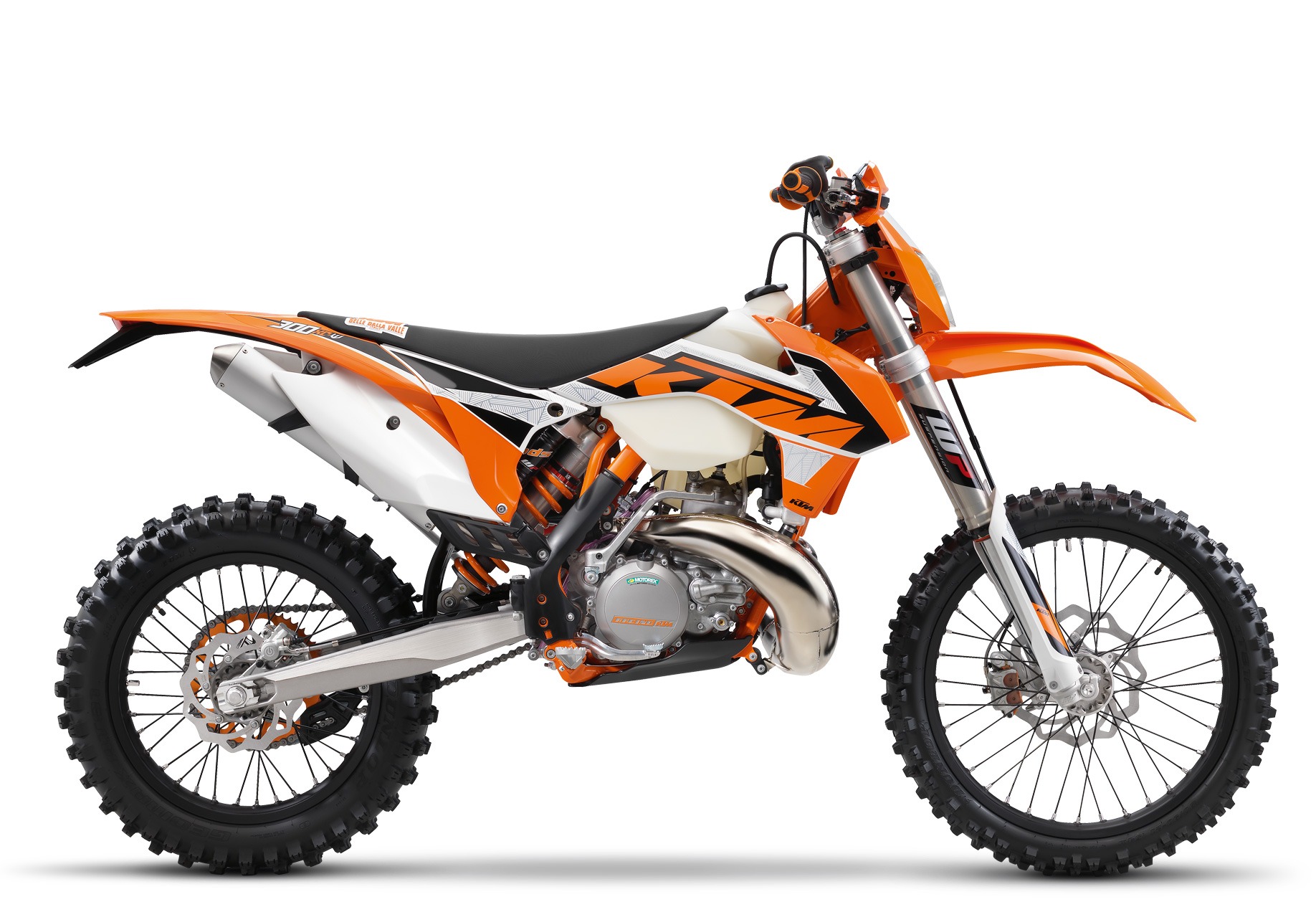
Before KTM moved to TPI fuel injection, and long before today’s throttle body injection (TBI) models, the 300 EXC relied on a good old-fashioned carburettor. While modern fuel-injected bikes deliver smoother, more linear power that’s easier to ride and largely free of jetting headaches, plenty of riders still swear by the carburetted bikes. They have a sharper hit, a more aggressive power delivery and reward riders who aren’t afraid to keep them on the pipe. The trade-off is that they generally require a little more attention. Jetting may need tweaking for changes in altitude or riding conditions, and you’ll spend more time working the gearbox to keep the engine in the sweet spot. On the plus side, the carburettor itself is a simple, proven system that’s easy to diagnose and repair if something goes wrong, making these bikes incredibly appealing to riders who prefer to do their own maintenance.
The 300cc two-stroke has become the weapon of choice for countless hard enduro riders, but don’t fall into the trap of thinking they’re cheap to own simply because they have fewer moving parts than a four-stroke. If a two-stroke has been neglected or repeatedly abused, the repair bill can quickly rival — or even exceed — that of a four-stroke.
While routine maintenance is generally simpler to perform at home, it also needs to be done more regularly. Pistons and rings should be replaced at the appropriate intervals, and the power valve requires periodic cleaning to keep the engine performing as it should. If you’re comfortable with the spanners, these are all straightforward jobs that can be tackled in the shed.
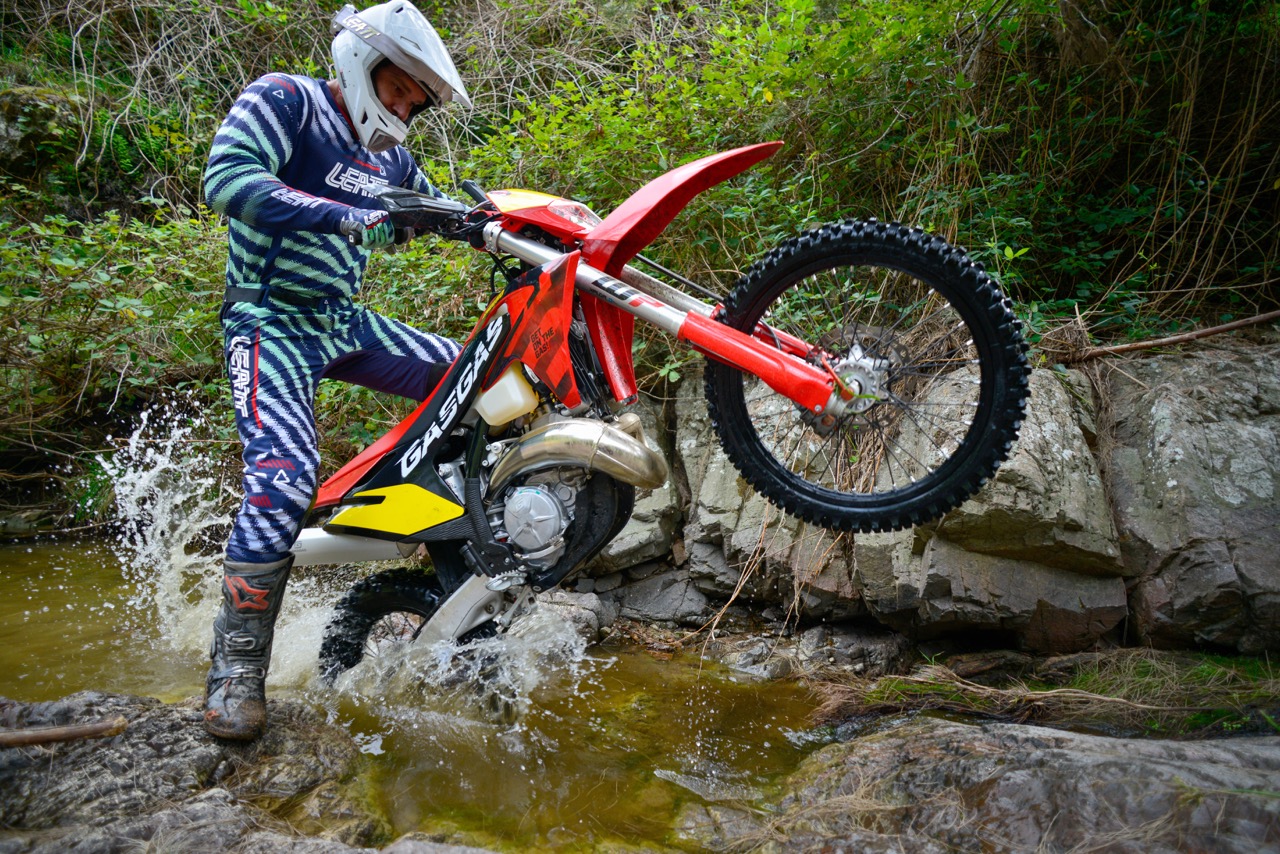
Out on the trail, the lighter weight of the 300 EXC is a huge advantage. Whether you’re dragging it out of a bog hole, pivot-turning it on a steep climb or muscling it through tight singletrack, it’s noticeably easier to handle than a big-capacity four-stroke. The carburetted KTMs were also remarkably reliable. If you picked up contaminated fuel or water during a ride, draining the carburettor was usually enough to get you moving again.
Unfortunately, these bikes have often lived hard lives. Many owners bought them specifically for hard enduro, where they’re bounced off rocks, cartwheeled down hillsides and generally punished far harder than the average trail bike. As a result, it’s common to find examples that have been ridden until something finally gave up, with the expectation that repairs would be cheap.
When inspecting a used one, make sure it starts easily, has strong compression and settles into a consistent idle. Ask for service records and find out how frequently the piston and rings have been replaced. Remove the seat and inspect the airbox closely, as it can tell you a lot about how the bike has been maintained.
A filthy air filter and an airbox packed with mud are usually signs the bike hasn’t been cared for properly. Check the cylinder carefully, as an impact to the expansion chamber can crack the cylinder around the exhaust port. Pay close attention to the electric starter too. If it sounds like grinding metal, the starter motor or starter gears are likely nearing the end of their life.
These models, with the starter motor mounted on the side of the engine, are known for starter gear wear. A popular fix is to seal the vent hole at the bottom of the starter case, fill the stator cover with 100mm of oil and replace that oil regularly. Done correctly, this significantly extends the life of both the starter motor and the gears.
Finally, inspect all the wheel bearings, linkage bearings and steering head bearings, then ride the bike to make sure the clutch doesn’t slip and every gear engages cleanly. Finish by checking the bike carefully for loose or missing fasteners. Like many two-strokes, the 300 EXC has a habit of vibrating bolts loose, and the exhaust mounting tabs welded to the frame are also known to crack or break over time.
NEW
2014 $12,995
2015 $12,995
2016 $13,495
2017 $13,495
SECOND HAND
2014 $6700 – $8000
2015 $7050 – $8350
2016 $7900 – $9400
2017 $8900 – $10550
MARKET EQUIVALENTS
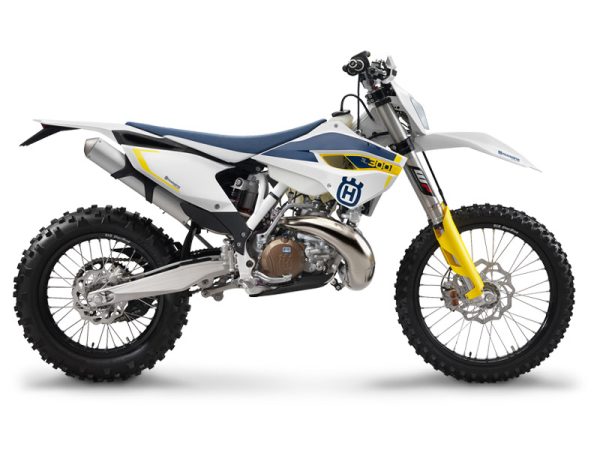
14 – 17 Husqvarna TE300
$6850 – $11,300
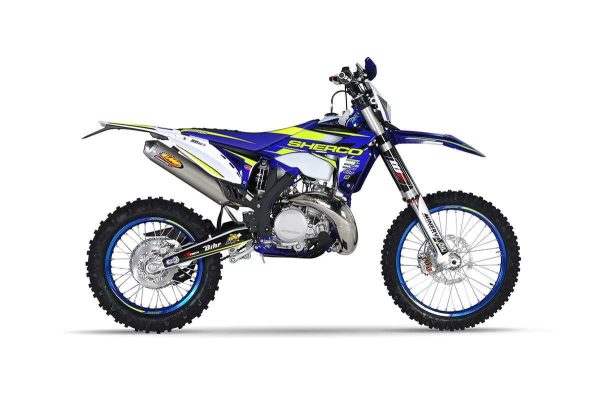
14 – 17 Sherco 300SE-R
$6900 – $10,000
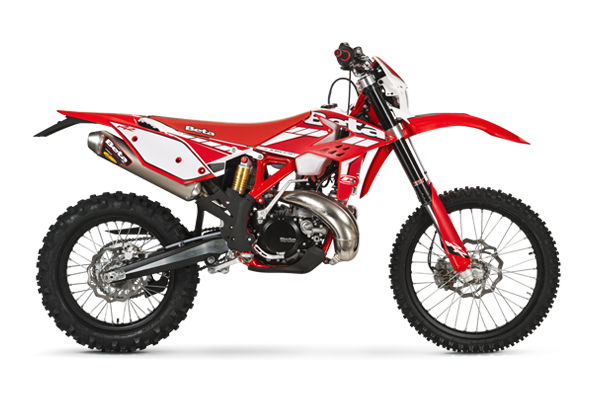
14 – 17 Beta RR300
$6550 – $10,300
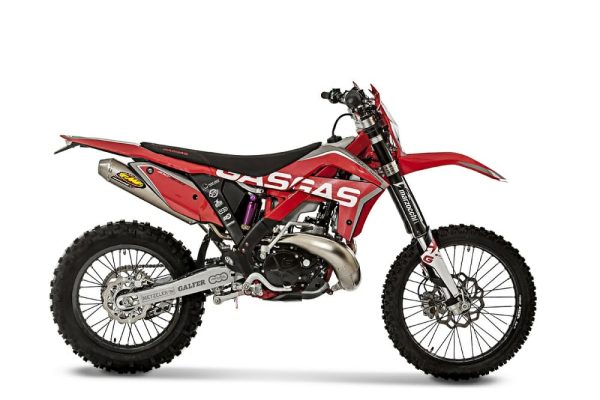
14 – 17 Gas Gas EC300
$5850 – $9750
Frame:
The KTM has a chrome-moly steel central tube frame with a removable aluminium subframe.
Brakes:
It comes with Brembo hydraulic disc brakes front and rear with a twin-piston floating caliper on the front and a single-piston floater on the rear.
Engine:
The KTM uses reed-valve induction fed through a carburetor, with a mechanical power valve in the exhaust port. It uses a wet, multi-plate clutch and six-speed constant mesh gearbox.
Suspension:
On the front is a WP upside-down fork with adjustable compression and rebound damping and on the back is a WP PDS shock.
Weight:
The 300EXC weighs in with a claimed dry total of 100kg.