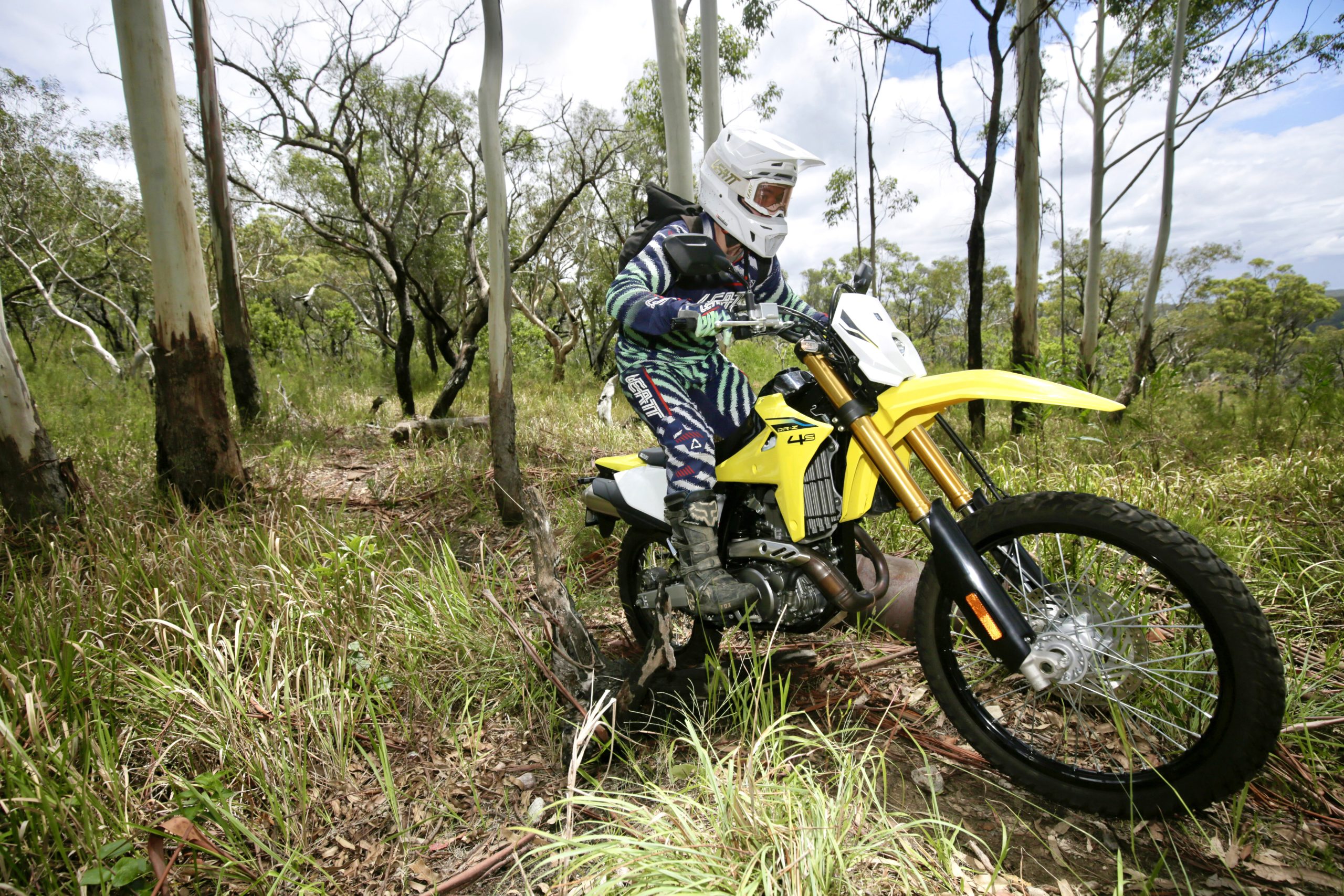
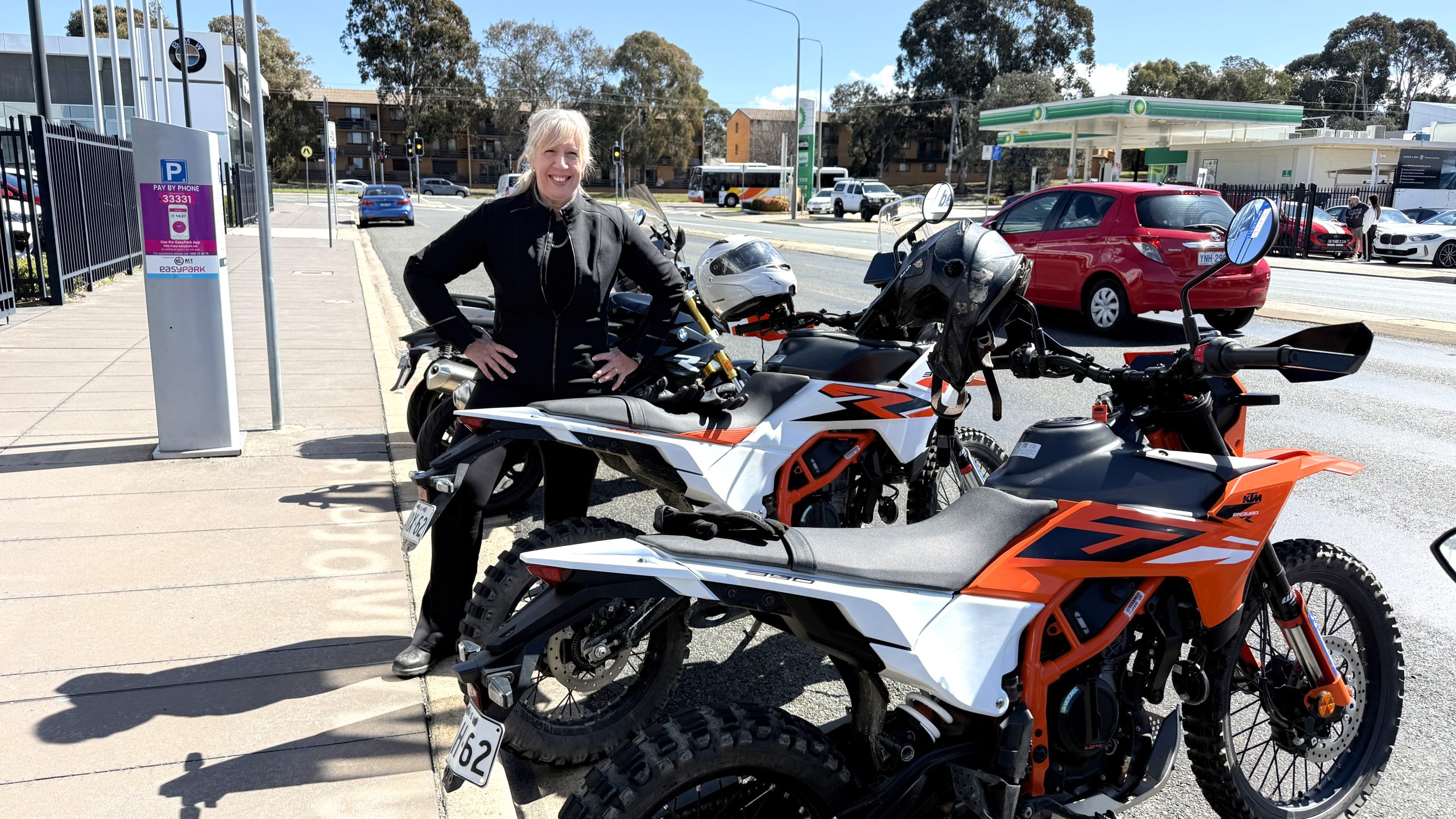
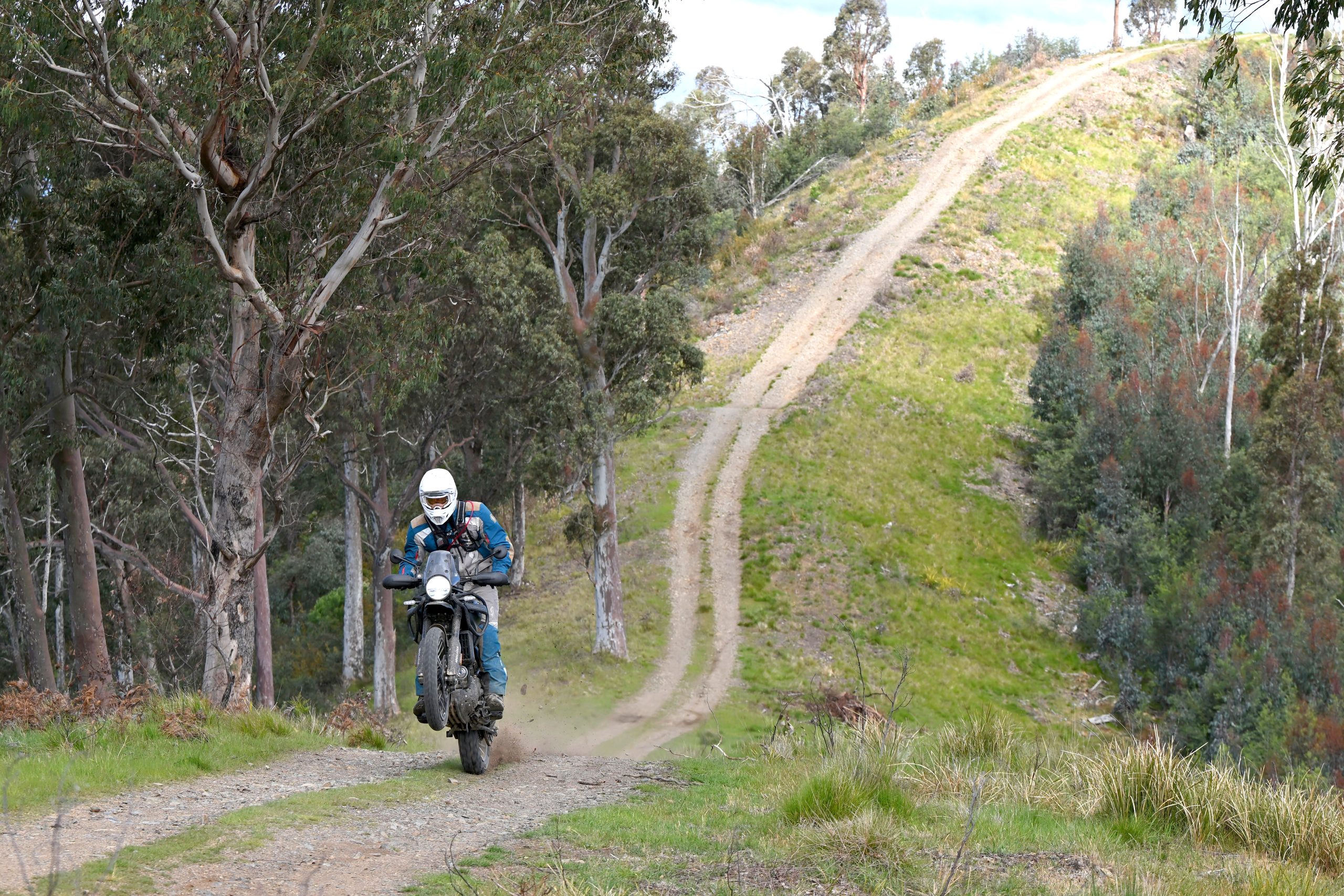
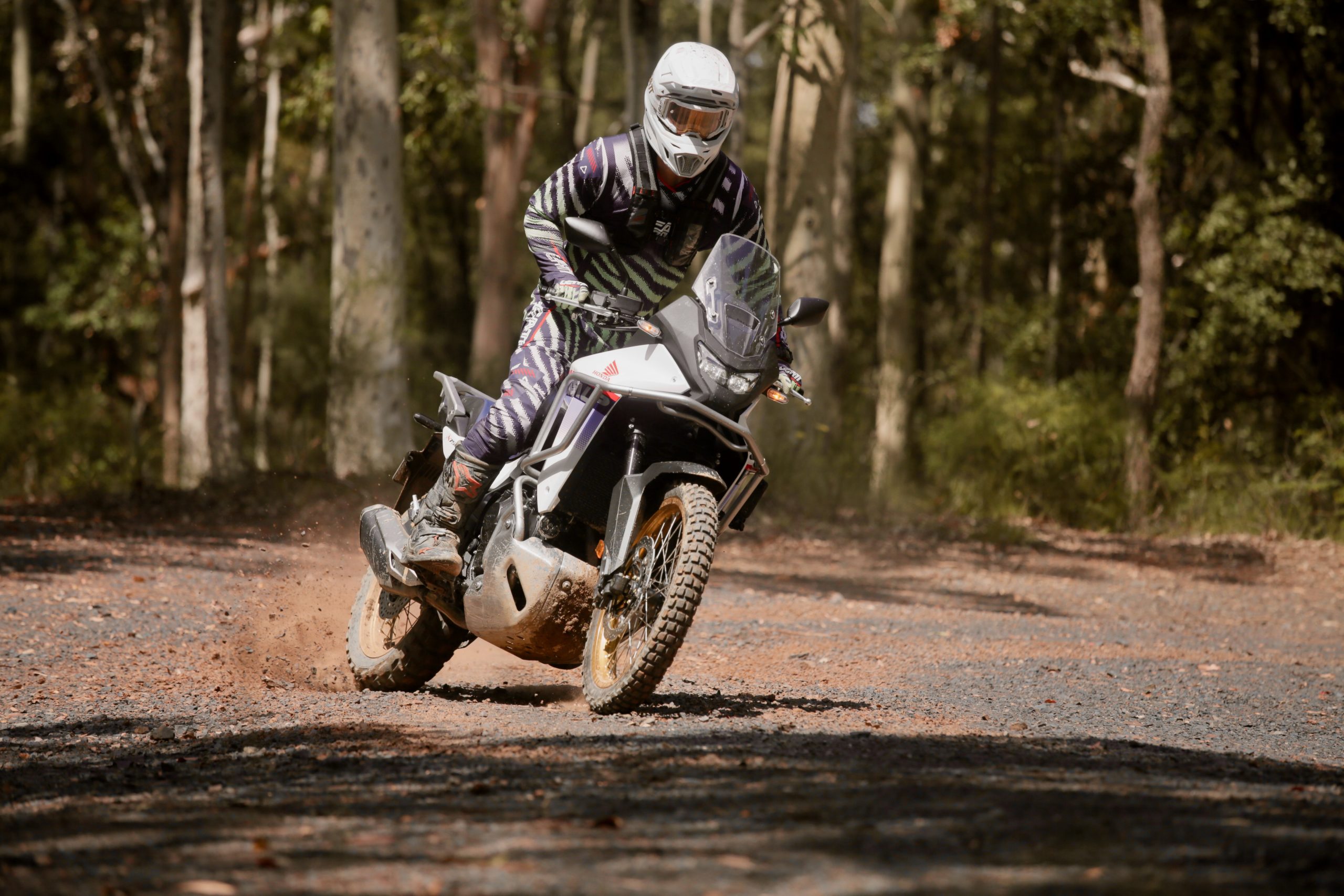
Unfortunately, most of the big manufacturers don’t make their Dakar machines available to the public in large numbers (KTM did a select few for nearly $60k) but Honda kinda answered the call with a CRF250 Rally back in 2017 that was cheap and produced en-mass. Sure it wasn’t the 450 Rally weapon but it looked like it! The CRF250 Rally was a popular machine in the adventure segment for those new to adventure riding but even they found it underpowered. Despite calls to bump the capacity up, Honda refrained, until now. The 2021 CRF300 Rally has 37cc more power than its predecessor (249cc to 286cc) which Honda achieved by extending the stroke. But Honda didn’t just beef up the donk in the Rally inspired chassis, they also shaved off a bunch of weight, altered the frame, beefed up the suspension and improved the ergonomics.
Heart transplant
In addition to the longer stroke, the Rally also picked up revisions to the cam profile, air intake, exhaust, mapping and six-speed gearbox with first through fifth gear now closer while sixth has been stretched out for better highway cruising. One section of our loop took us from Broke to Wollembi in NSW and I was able to pull about 130km/h (on a private road of course) before the speedo started to stall. Maybe with a tuck, a tailwind and a few less kilos I could squeeze more from it but with a max speed in Australia of 130km/h there really isn’t any need to go any faster.
The 300 Rally also received a new slipper clutch so you can jam through gears without having to use the clutch or worry about too much wheel spin but if you’re pushing through sand or mud and need to ride that clutch, it is now 20% lighter too.

Exactly one week before hopping on the CRF300 Rally I was riding the Harley Pan America so the difference in power was noticeable. And so it should be, seeing as how the Harley has nearly 1000 more cubes, so it took some getting used to and plenty of mental reminders that I’m straddling 286cc not 1250cc. The Rally engine is smooth, responsive and incredibly easy to use. It’s got plenty of torque and the slipper clutch was incredibly light. I didn’t notice the benefits of the slipper clutch to stop the rear wheel skidding when decelerating or going down through the gears as I ride quite hard. This is a feature that is handy on big 250kg+ adventure bikes but on something this small it wasn’t really something that I thought about. Perhaps for a beginner rider, knowing this feature won’t lock the rear gives added confidence that it won’t skid the rear-end around but for seasoned adventurers it’s not really a benefit.

Compared to a modern-day 250F enduro engine the Rally’s single-cylinder, liquid-cooled engine felt a little gutless. But, as I have already said, it was also incredibly smooth and sometimes an engine that has such linear power can feel underpowered even when it’s not. I’d say it is more comparable to the old XR250. It’s not a CRF250R engine or a Yamaha WR250F feel. In fact I’d sat even a Suzuki DR-Z400 has more punch but it is incredibly smooth. It has decent low-end torque and when punting along a four-wheel-drive track at about 50-60km/h I could run third without needing to go back to second if I was happy to plod along. But, I found it best to rev the tits off it and ride it like a motocross bike so that meant plenty of changing between second, third and even fourth but I had the bike for only two days and concern for longevity wasn’t a priority. The engine would suit a beginner, someone who doesn’t like aggressive, strong power curves or someone who doesn’t want to fly along at warp speed.

The rate at which the CRF300 Rally drank the 98 octane was impressive. In fact, I would have to say it was the most impressive part of the bike. Good fuel economy on an adventure bike is one of the most important aspects. In one day I did nearly 200km of fast four-wheel-drive tracks (yeah I know, it’s not much but stopping for images etc chews up a lot of time) where I mainly valve-bounced it from corner to corner and was expecting to make a mockery of the claimed 350kms. But to my surprise, by the end of the day I still had a third of a tank left which from the new, redesigned fuel cell which has an increased capacity of 2.7L now totalling 12.8L, is impressive. If you ride this thing as hard as you can you should still get 300km/h. Now that’s good eating!
Bones and bits
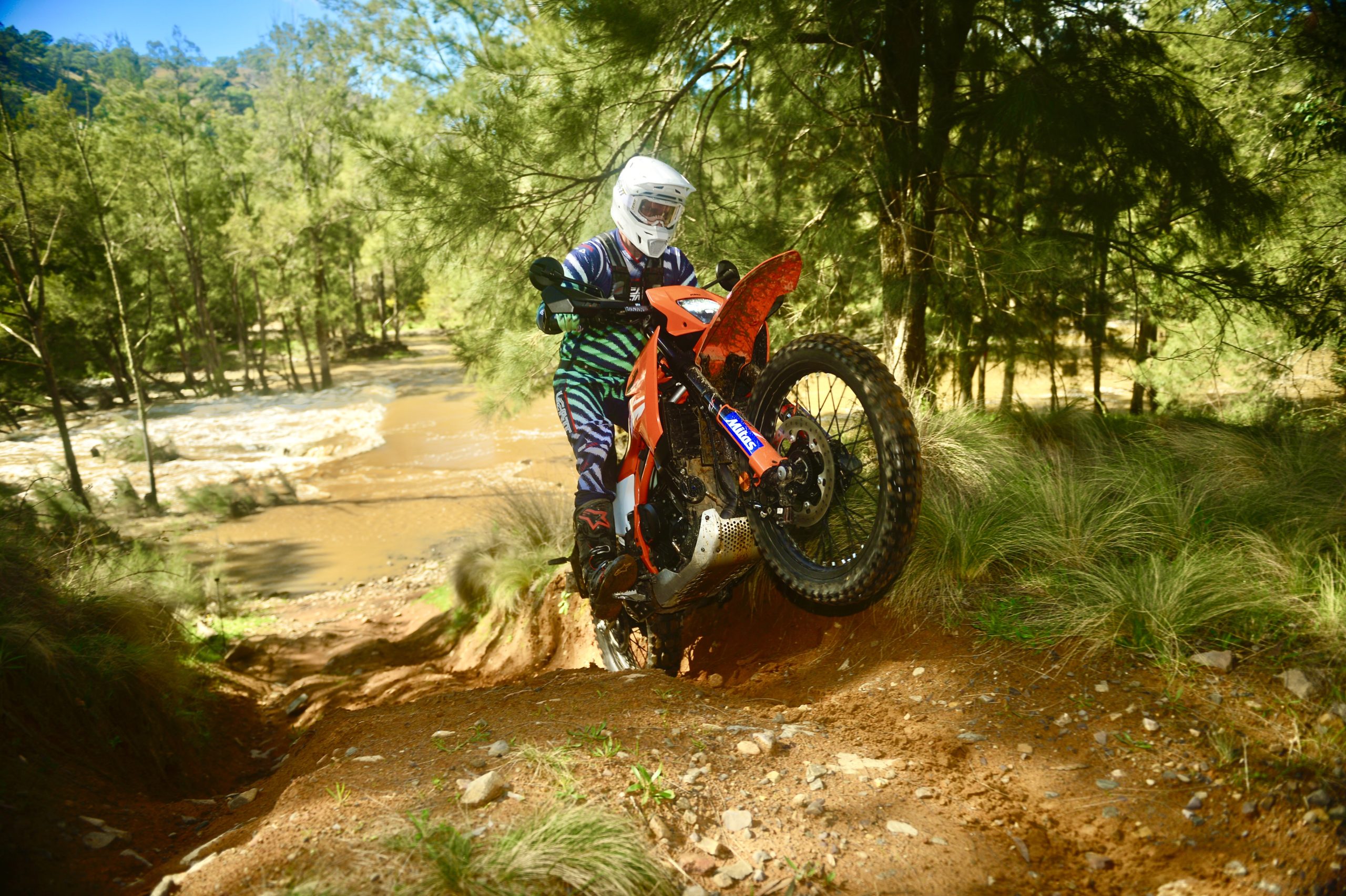
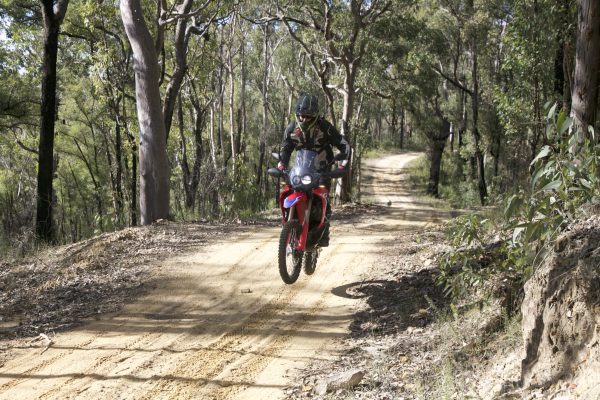
The chassis on the CRF300 Rally also went in for some surgery with Honda managing to remove 5Kg of weight mostly via the redesigned steel frame, aluminium swingarm and bottom yoke while the suspension got a heavier set of springs. But even the weight savings couldn’t help the poor little Rally with my lard arse behind the bar. The 43mm Showa inverted fork and Pro-Link rear suspension has been bolstered to accommodate the extra fuel but after two days bush bashing it was clear the suspension is still incredibly soft. Sixty centimetres of air with my 100kg frame plus camera gear caused an almighty clunk as the fork bottomed out off nearly every erosion mound. The rebound was slow and unloaded so hard the bike nearly took off again!

Bashing along busted up four-wheel-drive tracks was an absolute delight because the 300 Rally felt like a lounge chair but its resistance to bigger hits or jumps felt almost non-existent. If you weight 100kg and plan on loading up with gear you will need to seriously upgrade the suspension. The good thing is, Showa make excellent suspension and upgrading to firmer springs and a better valving system is cheap and easy.
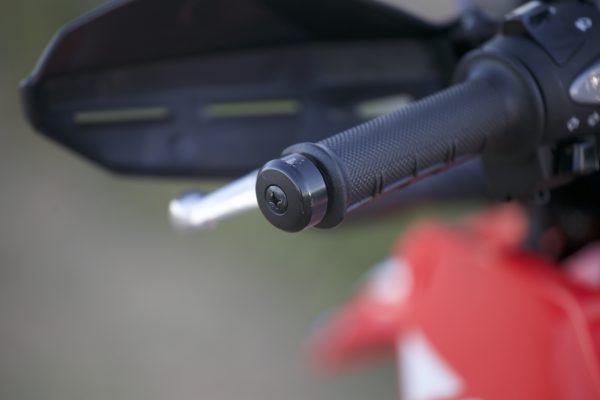
Honda also rubber-mounted the seat for added comfort when sitting down and it did help make the CRF300 Rally feel even more comfortable if I lost the energy to stand on the dirt sections. The foot pegs now feature rubber inserts too so you have a little more comfort when traversing the bitumen between dirt roads. And to make the new Rally even more comfortable for the rider Honda added weighted ‘bar ends, to reduce handlebar vibrations and they worked excellently, especially when you consider how hard I was revving it!
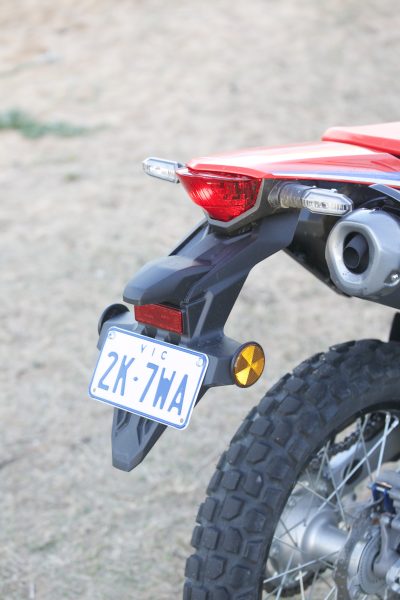
The headlight is new and is now more compact which is an asymmetric dual LED unit, matched to a LED tail light. The indicators are also LED and now flexibly mounted. Good news if you plan on dropping it. The dash got a facelift as well with a redesigned LCD screen which displays your gear position, fuel consumption, average speed, stopwatch and rev-counter.
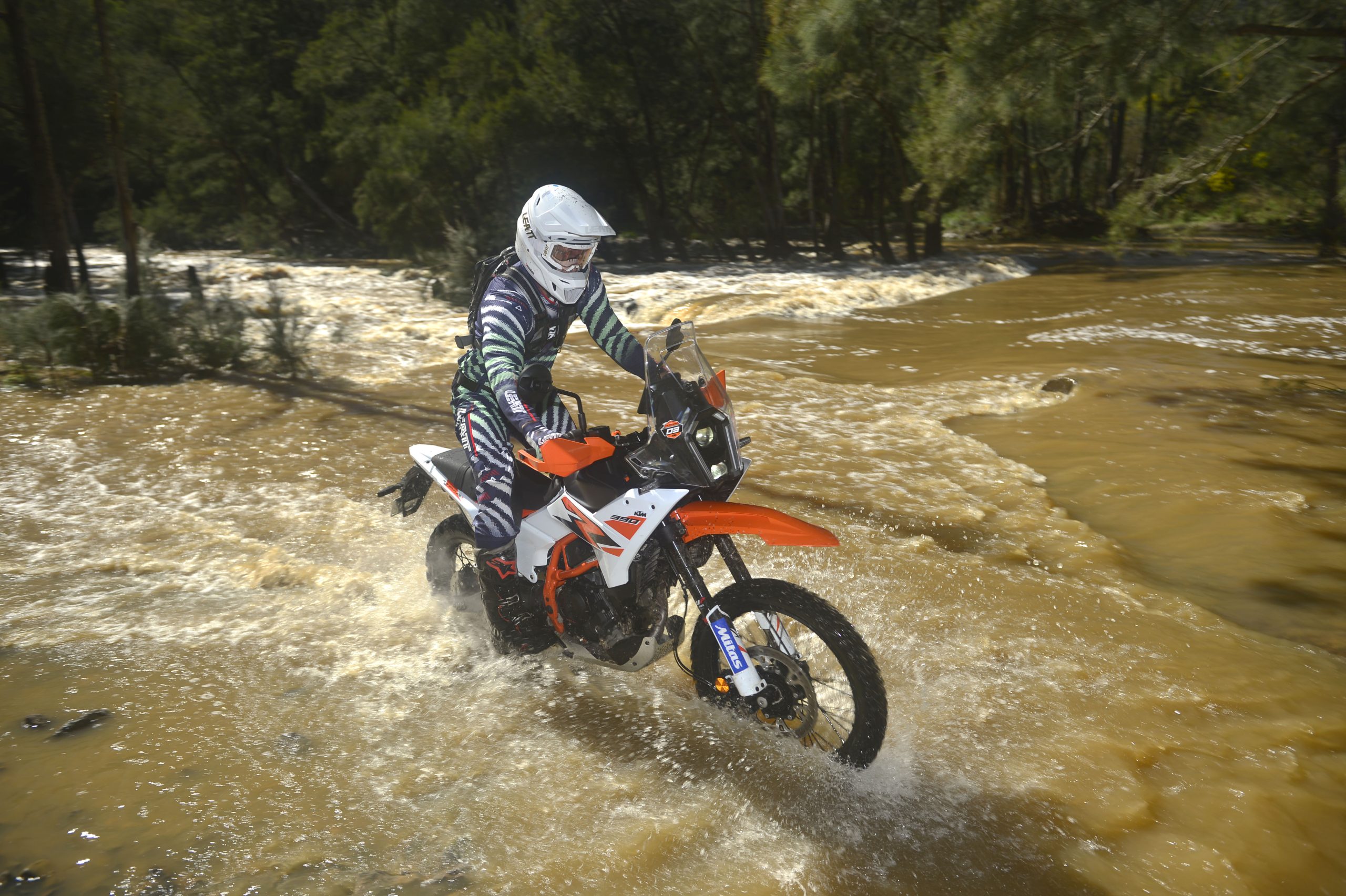
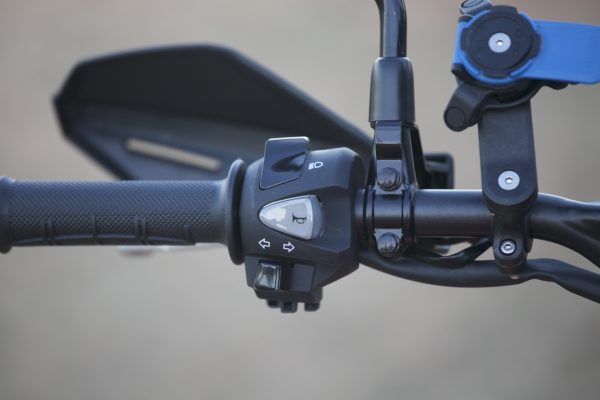
Like previous models, the Rally comes with ABS brakes which has two modes, off-road and road. This can be switched using a button hanging off the side of the dash which looks like an afterthought. They stuck with Nissin gear with a 220mm out the back and a 296mm up front but whatever you do, don’t ride with the ABS on road mode if you’re in the dirt. It’s incredibly invasive and does a great job on wet bitumen but will send you flying off the first dirt corner. With the ABS in the off-road mode the front wheel is still ABS activated but the rear wheel can be locked up. The front ABS even in off-road is still quite obvious and with the soft fork made stopping a little harder than it should be, so you will need to ride the rear brake hard if you want to ride hard. Don’t just jump on the anchors and expect it to stop like your CRF250R.
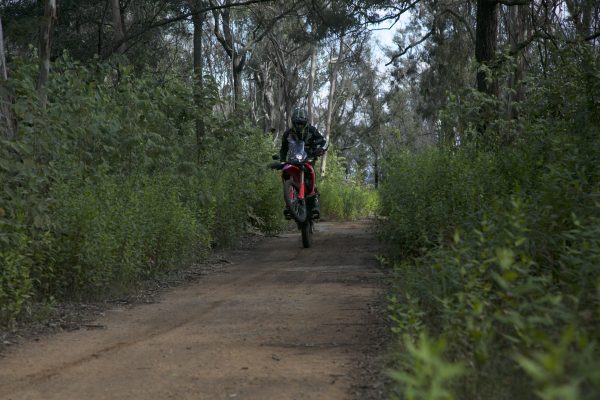
Sex on legs
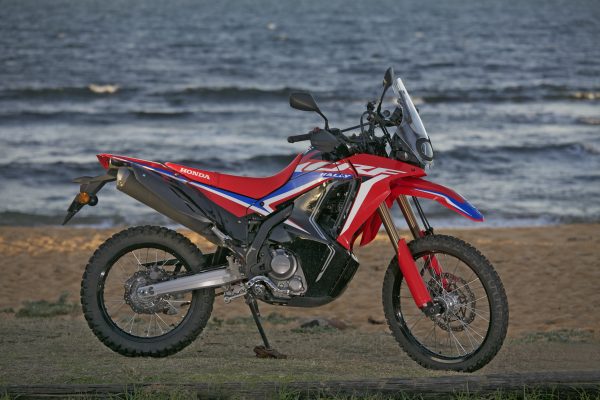
While the CRF300 Rally may not have the grunty motor that the bigger capacity bikes do or even your average 250F enduro bike does, it is incredibly smooth. The suspension will need to be upgraded for serious off-roaders and those on the portly side, but when it comes to looks there is no better adventure bike. The Rally version is eye-catching. The fairing and windshield not only look good but they do an excellent job at keeping the wind buffering to a minimum.
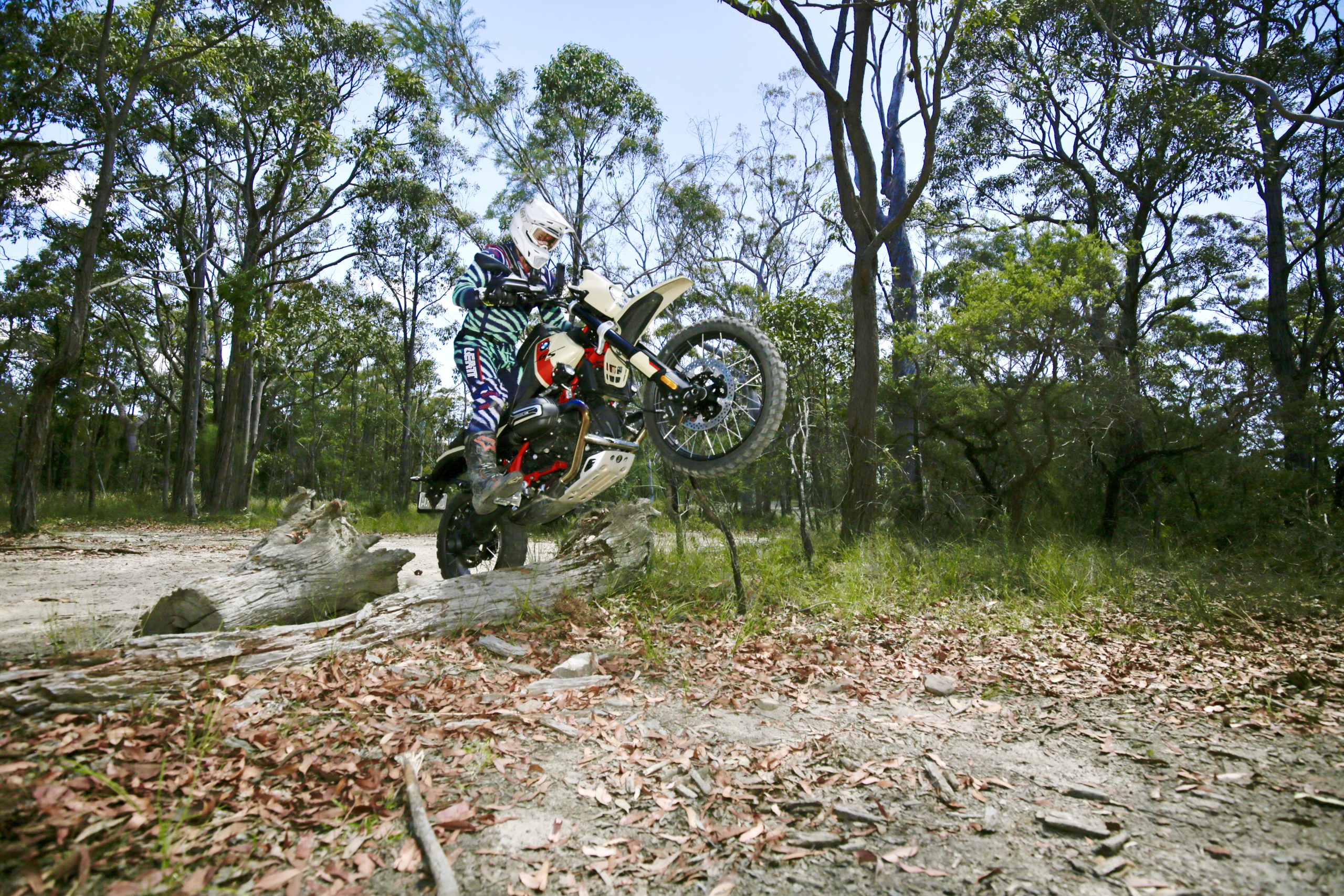
At only 151kg wet, the CRF300 Rally is a lightweight adventure bike. It feels light when riding and when pushing it off its side stand. With a seat height of 885mm it is easy to get on for anyone over about 165cm and the 275mm of ground clearance puts the bigger heavier machines to shame. You could hop logs as high as your knee on this things and it won’t get caught up!

It’s narrow despite the Rally fairing and has a very comfortable riding position when seated or standing and I’m 188cm tall! The plastic bashplate probably won’t last long and the final gearing could benefit from a couple extra teeth on the rear but for a bike that’s learner approved, comes with a two year warranty and won’t cost you more than $8,649 + on roads and dealer delivery, it’s a cheap way to recreate your very own Dakar experience in Australia’s legendary Outback.
Two variants
If you don’t like the Rally fairing and don’t need the extra fuel, you can purchase the CRF300L without the Rally look. Here are the differences:
- The Rally has a 296mm front disc while the L has a 256mm
- The Rally has a 12.8L fuel tank and the L has a 7.8L
- Ground clearance is 275mm on the Rally as opposed to 285mm on the L.
- The overall height of the Rally is 1415mm as opposed to 1200mm on the L.
- The L is 10mm narrower than the Rally at 820mm.
- The seat is 5mm lower on the L at 880mm.
- The wet weight of the L is 140kg which is 12kg lighter than the Rally.