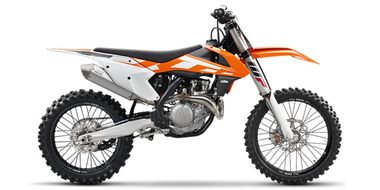
THE RM-Z450 was the first production motocrosser to be fitted with electronic fuel injection, and it arrived on the scene in winning form, dominating the American motocross landscape with Ricky Carmichael at the controls. These days it also holds a unique place in the market as the only 450cc motocross bike still fitted with a kickstarter, earning Ken Roczen the nickname “Kickstart Kenny.” And in the past 12 months Roczen has shown that the RM-Z450 is far from outdated, putting it on the box and proving it can still win races. At the opening round of the 2025 AMA Supercross season at Anaheim 1, there were two RM-Z450s inside the top five, a strong statement for Suzuki’s long-running platform.
For a long period after its early success, the RM-Z remained relatively untouched until this year, when Suzuki released a model with a new chassis and suspension but retained the same proven engine with a handful of refinements. There is something to be said for sticking with a tried-and-true powerplant, and Suzuki clearly believes in that approach.
This bike has become so well known by teams, mechanics, riders and racers that it’s easy to get clear answers on its reliability. In the early days I used to see a lot of gearbox damage, but as the years went by it became less prevalent. It seems many of the gearbox issues were caused by racers who religiously shifted without using the clutch. This technique puts much more stress on the transmission, and I saw plenty of bikes with damaged gear teeth as a result.
Another common issue I see is when people twist the throttle while kick-starting the bike. On the fuel-injected RM-Z, this can cause the engine to kick back, putting so much pressure on the kickstarter drive gear and idler gear that it can crack the crankcases. To repair this damage properly, the cases have to be replaced.
The other issue I see with these bikes relates to the Showa air fork — not because of a mechanical fault, but because people either didn’t like the feel of it or didn’t know how to set it up correctly. The Triple Air Chamber Separate Function Fork was introduced in 2015; before that, Suzuki used a Showa spring cartridge fork. Riders would try all sorts of air settings they found online but never adjust the clickers, which meant they never found a comfortable setting. For me, I didn’t like the stiction in the TAC fork, as it didn’t move freely over smaller, low-speed bumps and gave a harsh feel.
This could be dramatically improved by fitting SKF low-friction seals to the internal chambers as well as SKF outer fork seals. This reduces friction and makes the fork much smoother. Another “trick” I have seen on the RM-Z is people fitting the oil filter backwards, which causes a drop in oil flow and pressure, leading to accelerated wear or seizure of the camshafts, crank and piston.
The RM-Z is a good bike that handles well and has plenty of power. It has won many races and remains a favourite among experienced riders. When you’re looking to buy one, ask plenty of questions such as: “Does it have a service history?” “How many hours are on the engine?” “Has it ever been rebuilt?” and “Has the bike had any issues?”
Make sure you ride the bike and that it selects all gears without jumping out, the clutch doesn’t slip and there are no rattles when the bike is idling or under load. It should start easily and idle well when hot and cold. Check all wheel and frame bearings and look closely for any oil leaks around the engine cases, especially near the kickstarter.
Tech Ed Mat Boyd
NEW
2013 $11,790
2014 $11,790
2015 $10,990
2016 $10,990
SECOND HAND
2013 $6350 – $7550
2014 $6650 – $7900
2015 $7200 – $8550
2016 $8050 – $9550
MARKET EQUIVALENT
13 – 16
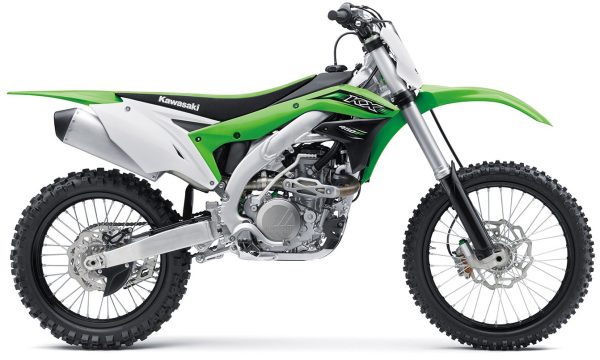
Kawasaki KX450F
$5750 – $9050
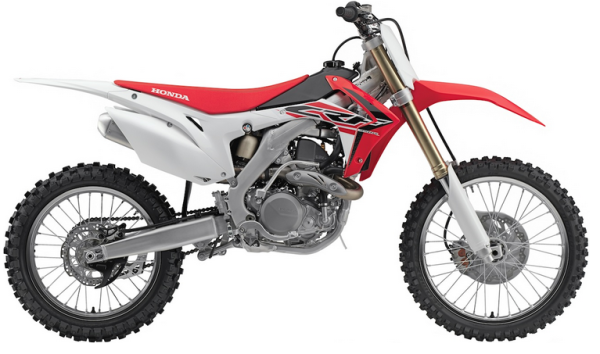
13 – 16 Honda CRF450R
$5700 – $9350
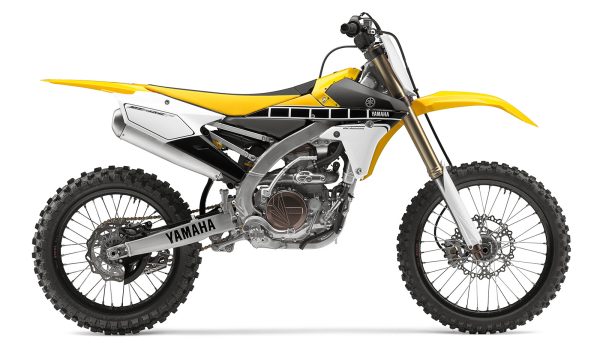
13 – 16 Yamaha YZ450F
$6150 – $9700
13 – 16 KTM 450SX-F
$6000 – $9950