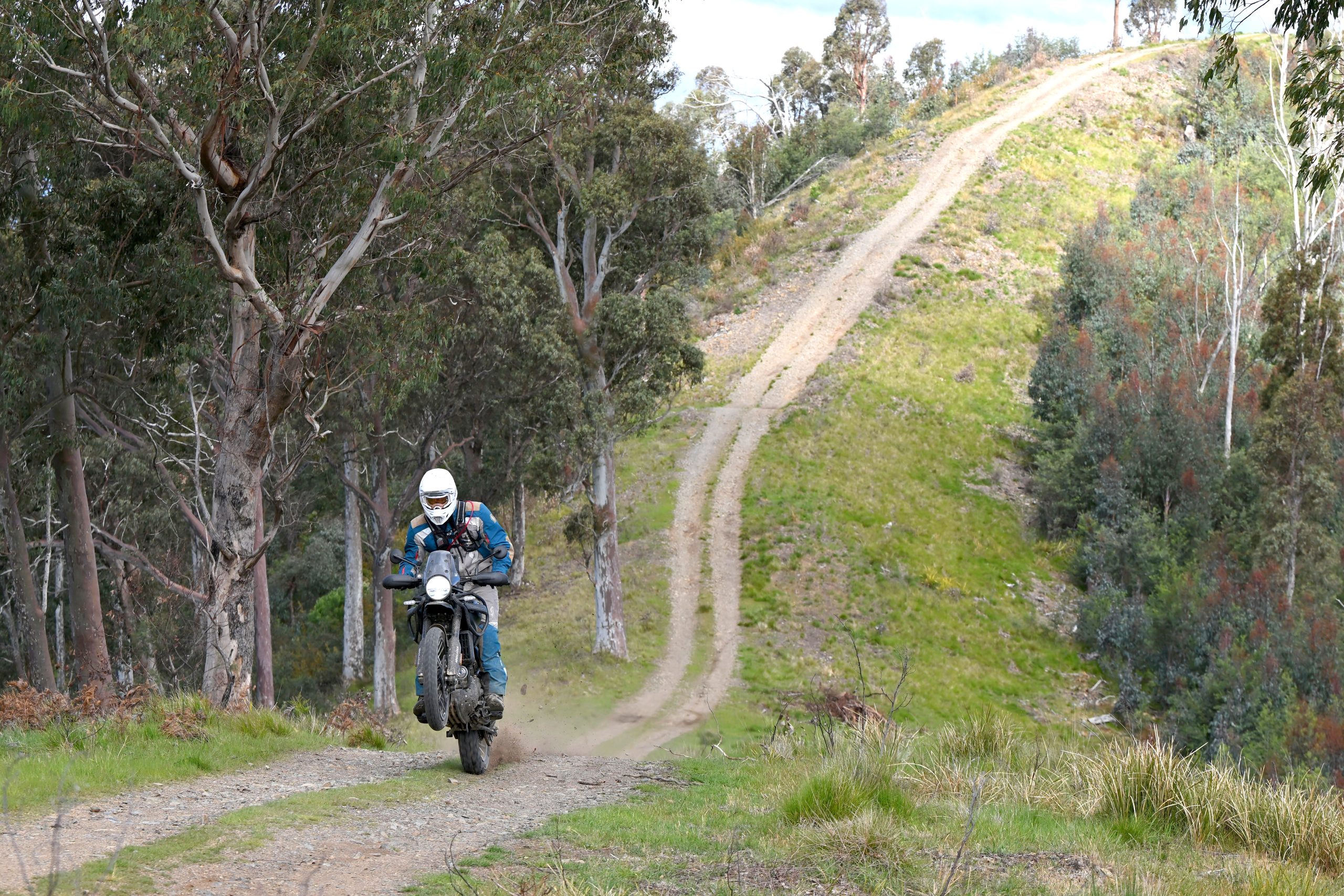
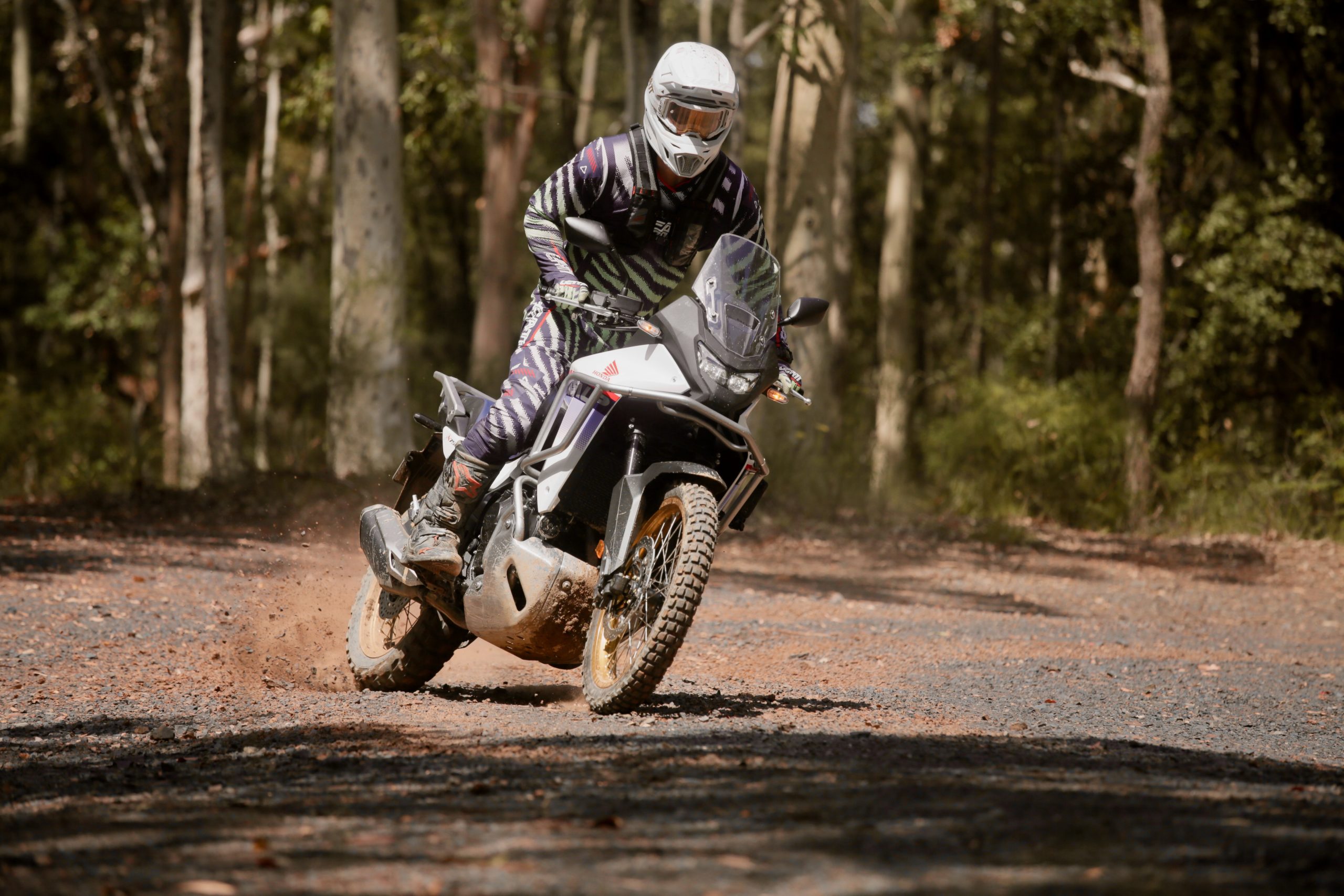
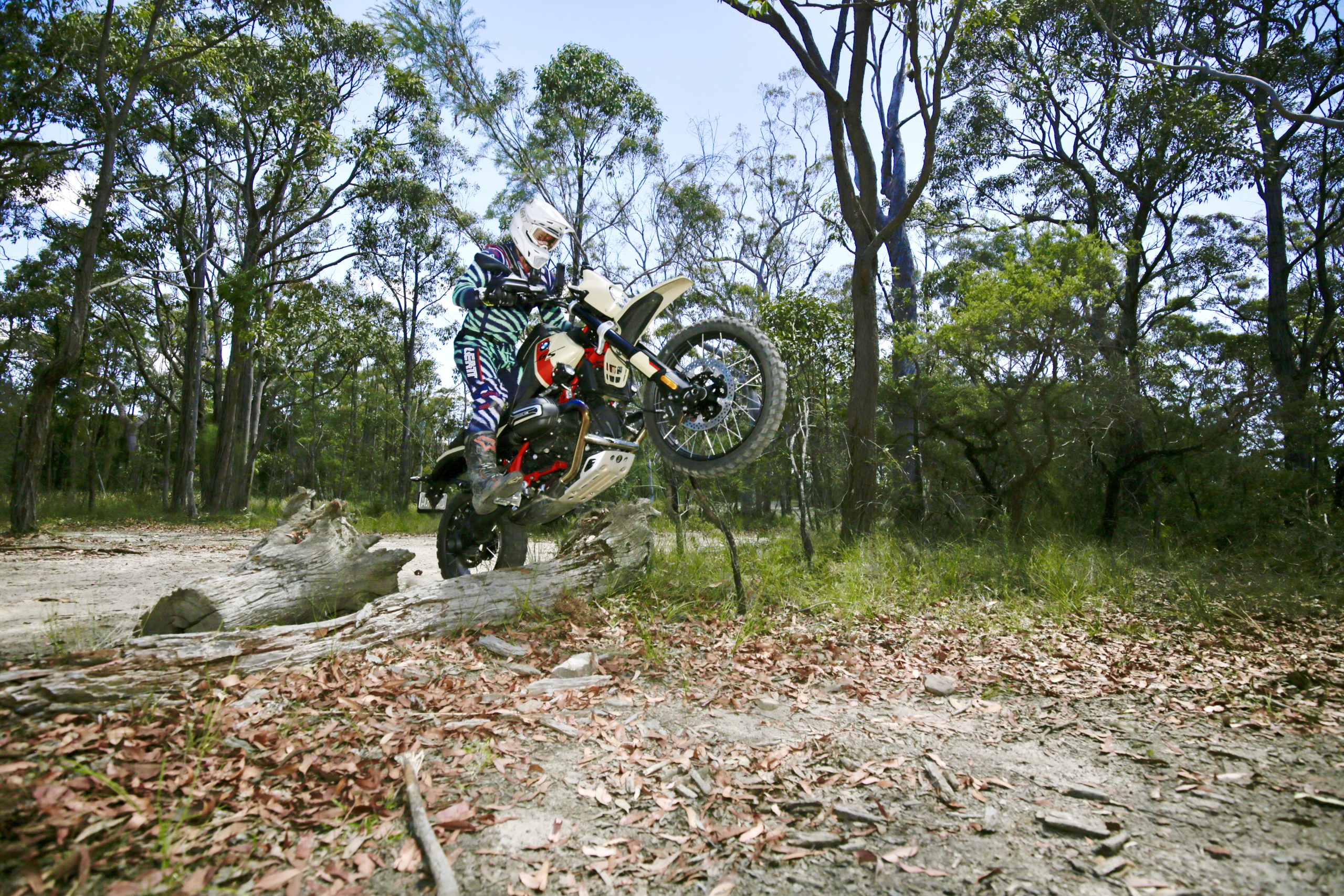
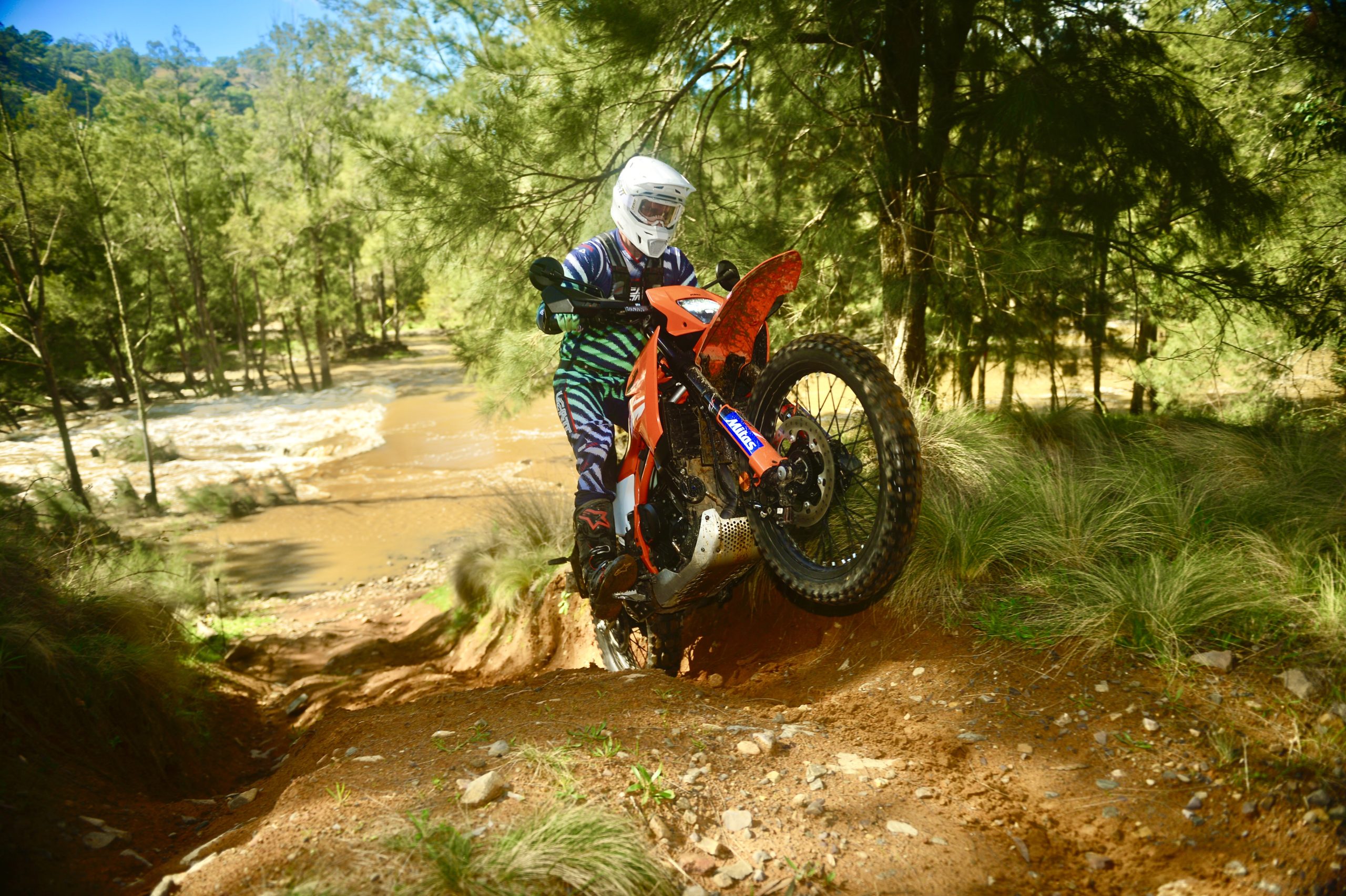
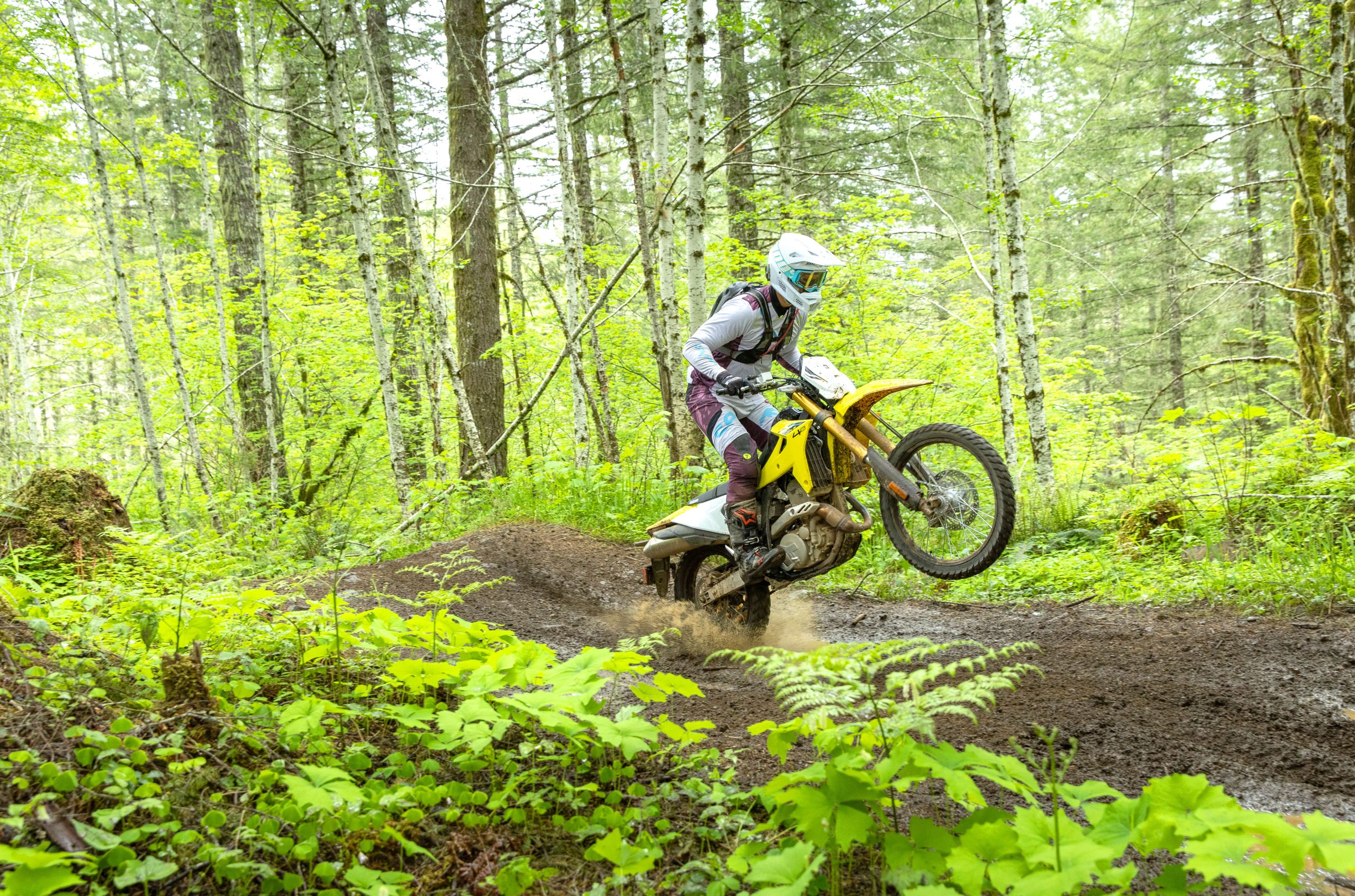
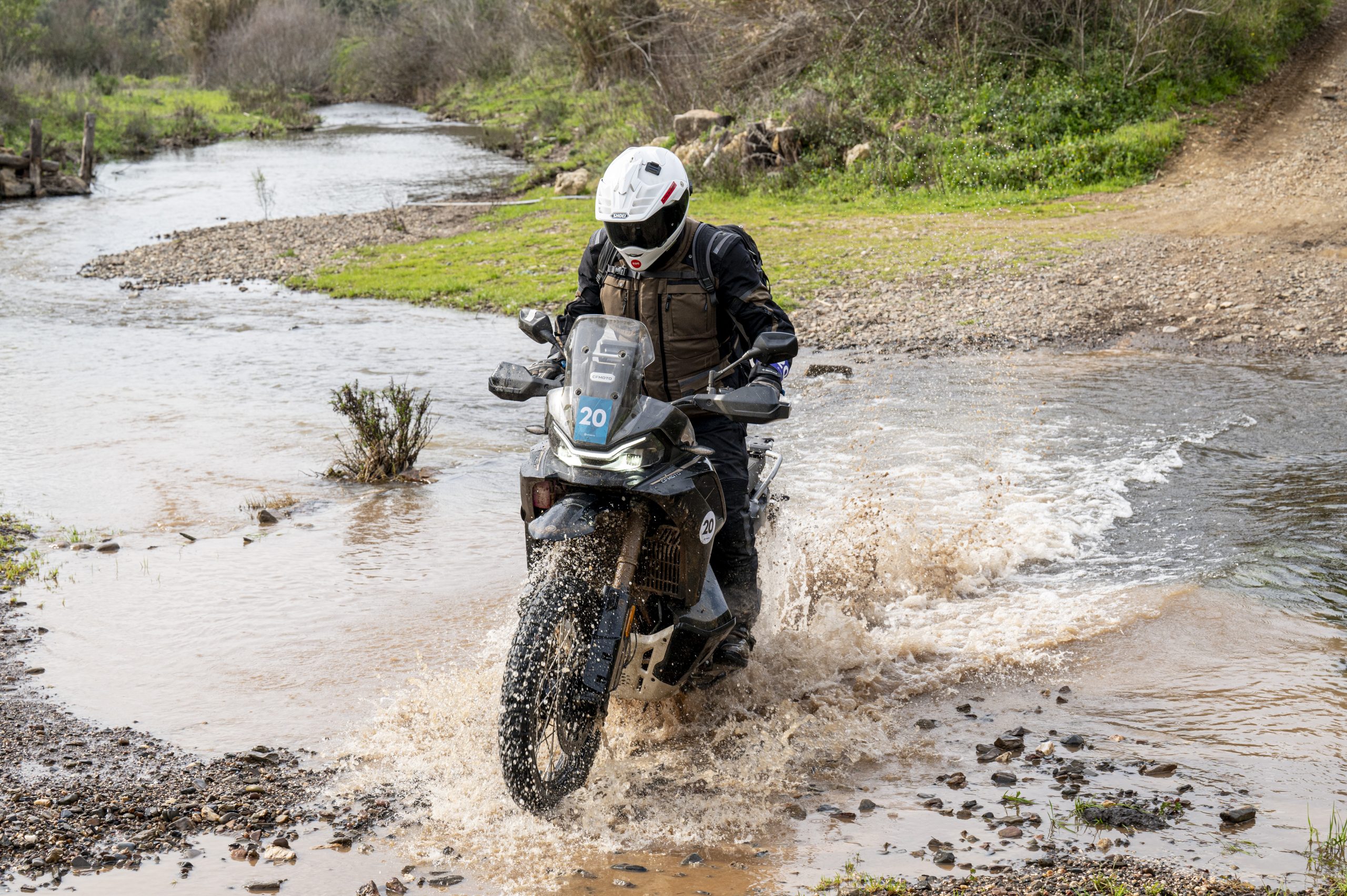
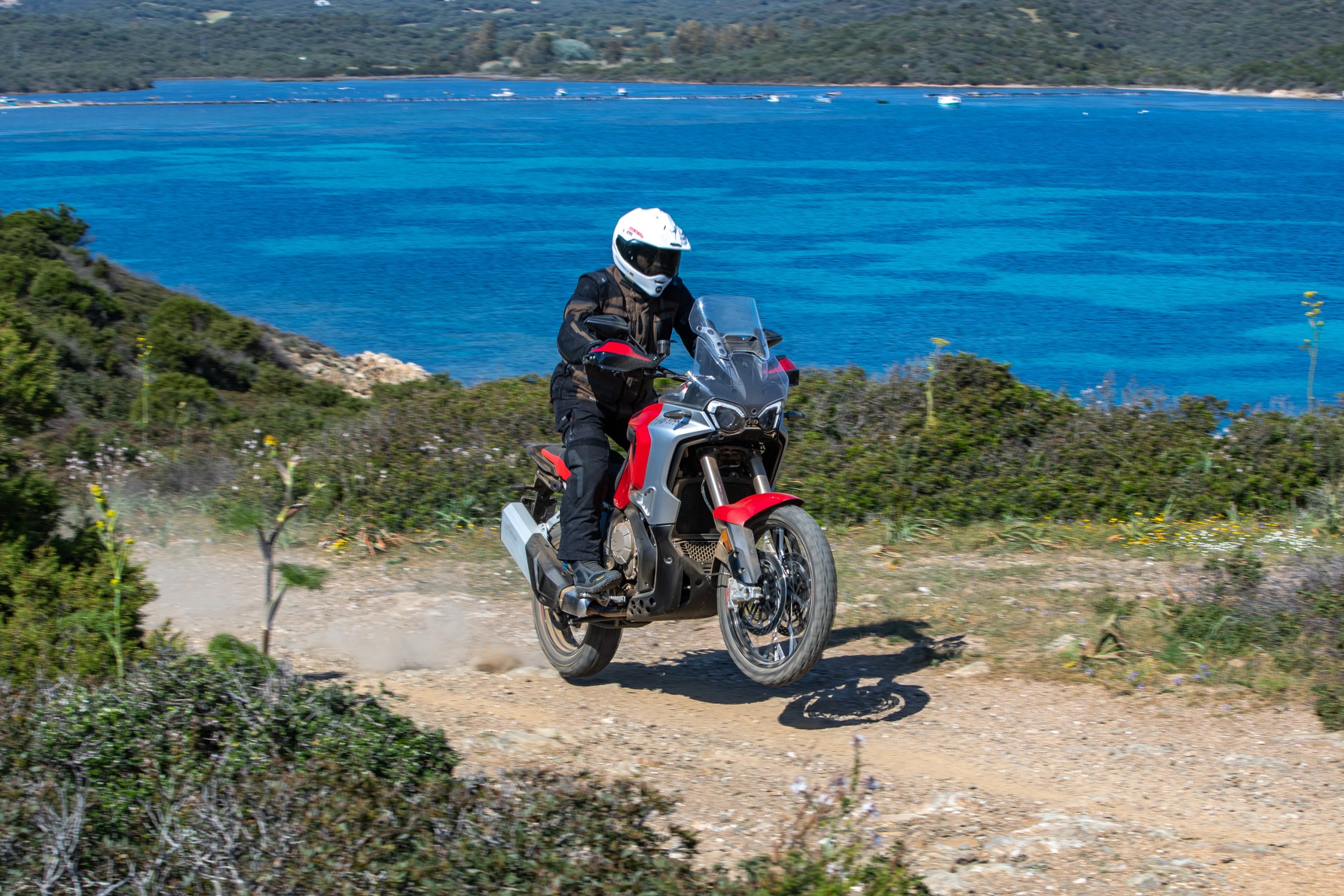
The lightweight ADV scene has exploded in the last couple of years, with bikes like Royal Enfield’s liquid-cooled Himalayan 450 proving you don’t need a litre-class tank to ride far off the tarmac. CFMOTO’s 450MT piled in too with a proper small-bore adventure spec machine at a sharp price, accelerating the shift toward sub-500cc machines that are actually capable off-road, not just styled for it.
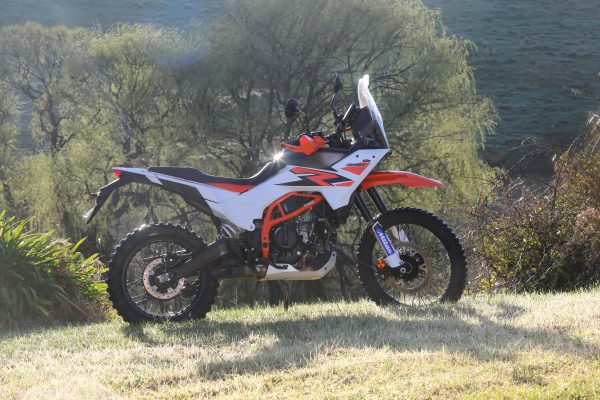
KTM has always had a 390 Adventure, but the early iterations were more road-biased travel bikes with dirt aspirations. The latest R version – carried into the 2026 model year – looks and reads like a mini rally machine: long-travel, fully adjustable suspension, revised chassis hardware shared with KTM’s dirtier siblings, proper off-road geometry and ergos, and a tall rally nose that finally matches the intent. In short, it’s the “serious off-roader” many riders wanted the 390 to be from the start.
That shift isn’t happening in a vacuum. The adventure motorcycle market is one of the few ICE bike categories still growing, with analysts projecting steady growth through the next decade. Expansion is being driven by touring demand, adventure tourism, and – crucially – improvements in the 250–500cc class that make these bikes cheaper to buy, easier to ride, and less intimidating to learn on. For both brands and riders, that means a bigger, younger funnel entering the sport.
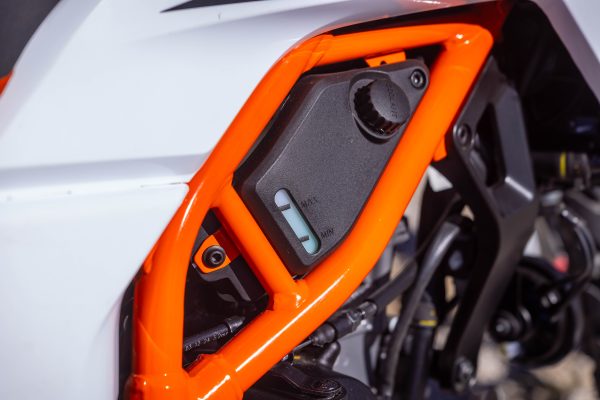
Which is exactly why a true entry-level, dirt-credible KTM matters. The 390 Adventure R gives new riders an orange bike to get started on with ABS/TCS, modern electronics and serviceable components that won’t scare newbies off. The intent from KTM is to then upgrade those riders to the 790/890 and right up to the 1290 Adventure for those who get hooked. KTM’s two-tier strategy (the more accessible 390 Adventure X and the off-road-leaning R) underlines that thinking: bring riders in early with price and accessibility, keep them with capability, and graduate them as skills and ambitions grow.
And for the small-bore ADV class as a whole, the timing is spot-on. With the Himalayan 450 and CFMOTO 450MT already winning over hardcore adventure enthusiasts, KTM arriving with a rally-look, long-travel 390 raises the baseline and gives learners and returning riders a legitimate dirt option from a brand steeped in rally and enduro. If the segment keeps expanding the way analysts expect, this little R could be the most important orange gateway drug since the original Duke 390.
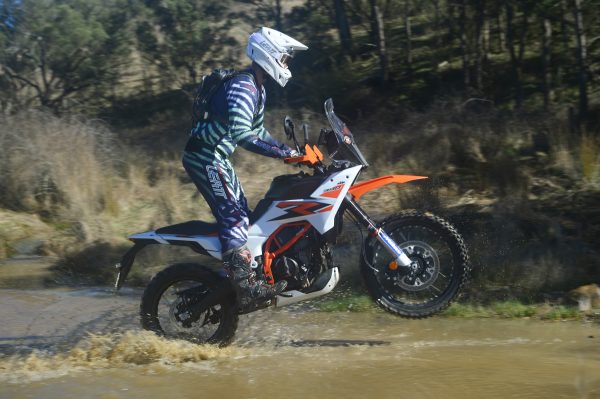
What’s so special?
KTM has finally given the smallest member of its adventure family the proper “R” treatment, and it’s clear they’ve been rummaging through the rally parts bin. The 2026 KTM 390 Adventure R isn’t just a Duke with a windscreen anymore – it’s been rebuilt from the ground up to look, feel and spec like a shrunken-down 450 Rally.
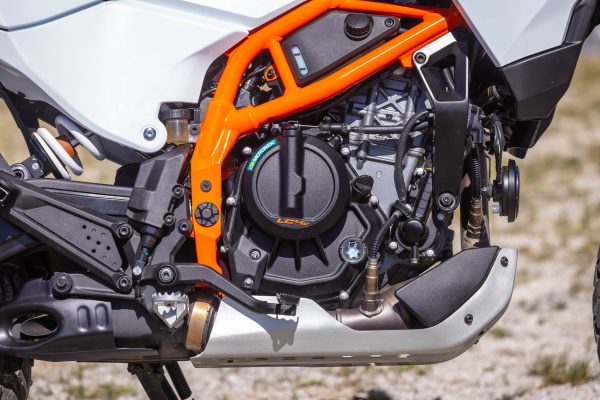
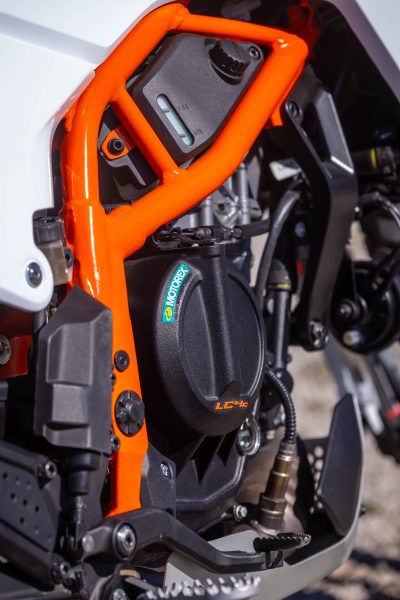
At the heart of the bike is KTM’s latest LC4c single-cylinder engine, a compact 399cc four-stroke mill that first appeared on the 390 Duke. It’s lighter, cooler, and Euro 5.2 compliant, with plenty of subtle changes under the skin. The cylinder head has been reworked with a smaller overall volume and a relocated thermostat to keep running temperatures steadier, while the injectors have been re-angled so they spray fuel straight at the inlet valves, cutting down on build-up and keeping emissions in check. The airbox has been redesigned and lifted higher in the frame for more clearance and cleaner breathing in dusty conditions.
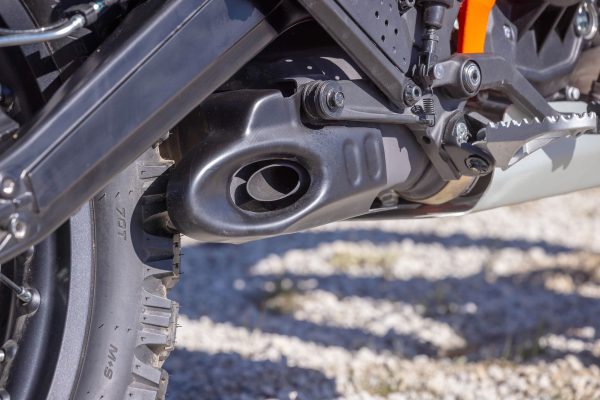
Even the exhaust has been revised – now a stainless-steel unit with a built-in double catalyser and no separate muffler, dropping around two kilograms from the total weight. Gear guidance has been improved with beefier shift fork pins and a reshaped shift drum for smoother changes, while a slipper clutch comes standard and KTM will happily sell you Quickshifter+ if your left hand is feeling lazy. Service intervals have been stretched to 10,000 km after the initial 1,000 km oil change, which is good news for those long stretches of road we get here in Australia.
The frame is all-new, a two-piece steel trellis design based on KTM’s Gen 3 platform but thoroughly re-engineered for dirt duty. The steering head angle, triple clamps and rigidity profile have all been tuned for off-road stability, while new subframe mounts hold a one-piece seat and longer-stroke suspension. A bolt-on steel trellis subframe sits out back, built to cop the inevitable knocks from luggage or a nap in a creek bed, and the footpeg positions have been shifted to better suit both standing attacks and long spells in the saddle. To tie it together, KTM has fitted a gravity die-cast swingarm borrowed from the 390 Enduro R and SMC R.
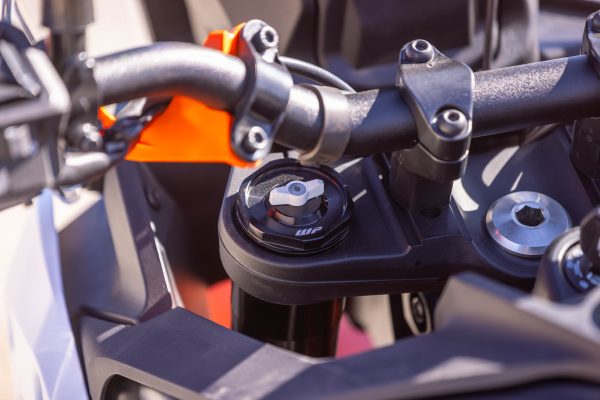
The suspension is where KTM has finally put its money where its marketing is. The 390 Adventure R runs WP APEX 43 mm open-cartridge forks with 230 mm of travel, fully adjustable for compression and rebound in 30-clicks. Out back, a matching WP APEX shock offers the same 230 mm of travel, with rebound and preload adjustment to let riders fine-tune the ride. By contrast, the cheaper Adventure X model makes do with 200 mm of non-adjustable suspension, underlining just how much more serious the R is meant to be.
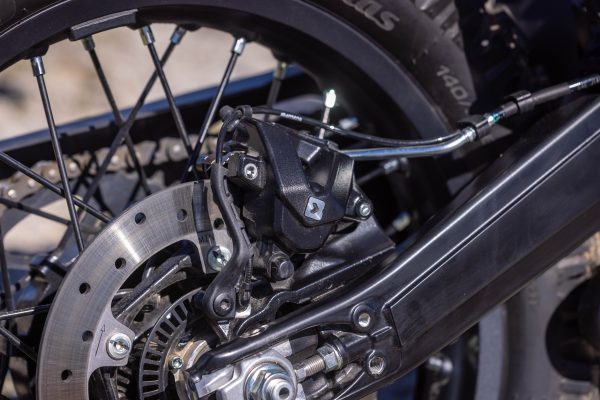
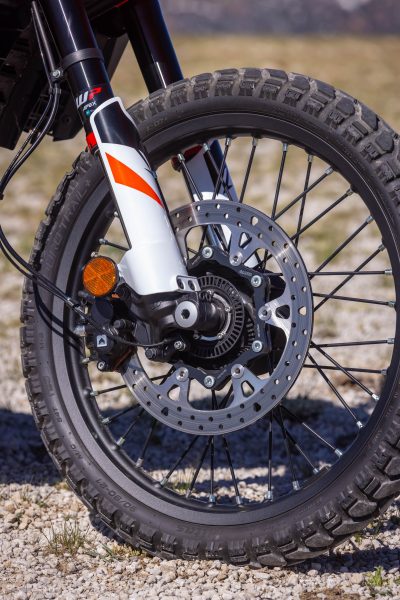
The rolling stock tells the same story. The R comes with a proper dirt-bike split of 21-inch front and 18-inch rear spoked wheels, wrapped in Mitas Enduro Trail E07+ tyres. Brakes have been upgraded too, with a 320 mm floating front disc paired with a two-piston Bybre caliper (sorry, no Bembo for $11k) and a 240 mm disc at the rear. Adjustable levers and new pump setups with tighter tolerances round out the package, while Offroad ABS finally stays engaged even after you cycle the ignition – fixing one of those tiny but maddening quirks from older models.
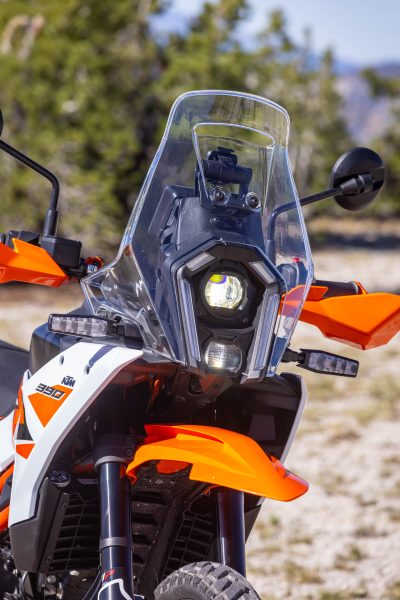
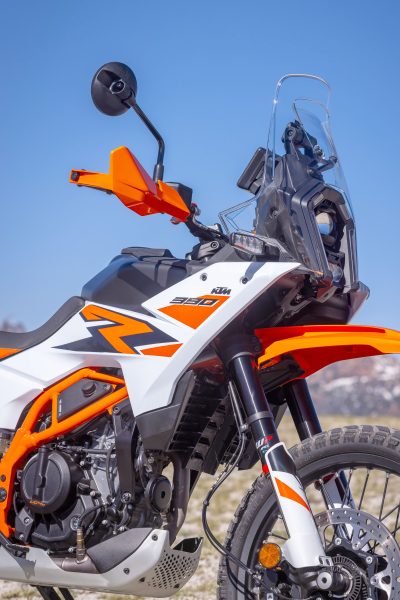
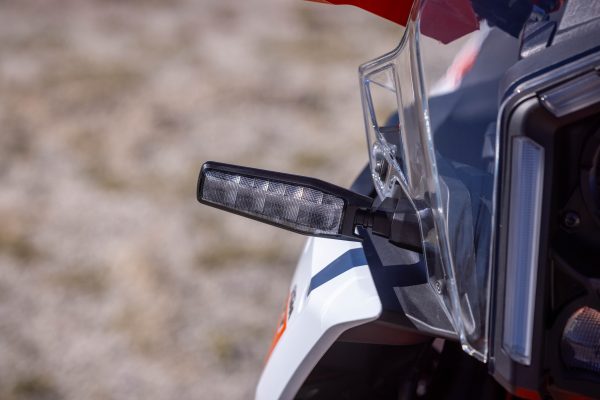
Bodywork has been pulled straight from KTM’s rally design playbook, a 14-litre metal tank, and a rally tower capped with LED lighting and unique positioning lights for the R round out the look. The graphics are in-mold, so they’ll last longer and the seat gets a new texture KTM calls “Adventure grip profile” – basically, it stops you sliding off the back.
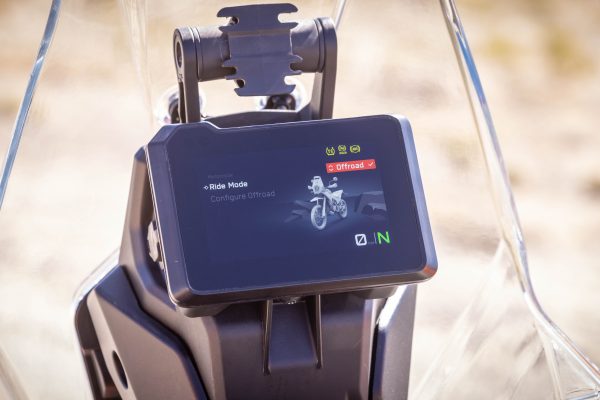
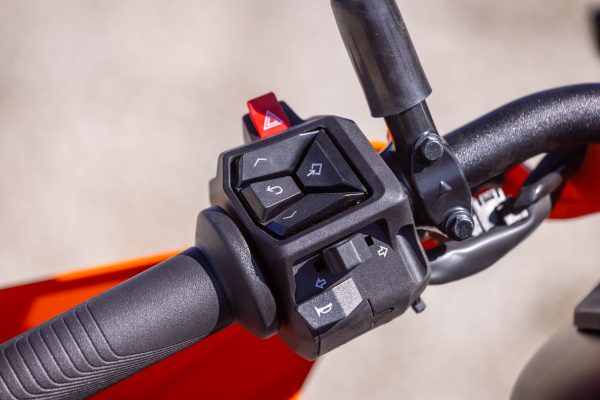
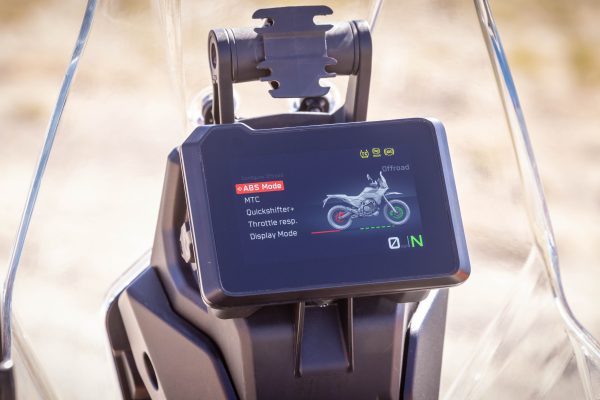
The R model features Street, Off-road, and Rain modes, with cornering traction control managed by a 3D sensor. ABS is selectable and includes a proper off-road setting, while a new 5-inch bonded-glass TFT dash provides all the info with anti-glare treatment to keep it legible in harsh sunlight. The switchgear has been redesigned and is now illuminated for easier use, while connectivity is via Bluetooth. That means riders can take calls, stream music, and get turn-by-turn nav through KTM’s app.
How does it ride
I’ve had a lot of fun on this bike, probably more fun than expected, and that comes down to one thing above all else: the motor. KTM’s latest LC4c single-cylinder is the standout feature of the 390 Adventure R. The mid and top end don’t feel like a 390 at all. It spins up harder, carries revs longer than expected, and delivers more response than anyone has a right to assume from a bike in this class. This is a genuine KTM 390 motor, not a parts-bin compromise, and it’s what sets the new R apart from the old model.
That’s not to say it’s flawless. Every now and then, rolling the clutch out at low speeds, I felt a little flame-out – not quite bogging, but the occasional stall because the gearing felt tall. I guess this is an adventure bike built for cruising at speed, not crawling through snotty singletrack like an EXC. The solution was simple enough – keep the revs up – but worth noting if you’re expecting tractor-like grunt right off idle. Beyond that, the engine was fantastic and made the whole bike a joy to ride.
Fairing and Wind Protection
Oddly enough, the second thing we really loved was the fairing. It feels strange to be talking about plastics before suspension or electronics, but KTM has nailed the wind management. The front fairing and screen did an exceptional job of buffering airflow, keeping wind from hitting under the helmet or into the chest. On highway sections and long open straights, we cruised comfortably at 100 km/h into a headwind without feeling beaten around. For a relatively small ADV, that’s a big win.
Suspension
Now to suspension. This isn’t an enduro bike, and you don’t want it sprung like one. The WP APEX units on the R are tuned for adventure, and for an entry-level bike at this price point, they’re spot-on. Across choppy corrugations, rocks, and creek beds, the suspension felt plush and forgiving, making long hours in the saddle genuinely comfortable.
That said, if you decide to treat an erosion mound like a supercross triple – as we may have done once or twice – you’ll find the limits. We managed to bottom the forks when pushing past four or five feet of air. The rear shock held its own, but the front ran out of travel under big hits. The good news is there’s plenty of adjustability. We wound in the clickers to stiffen things up and found it made a marginal but noticeable difference. Most riders won’t be trying to huck the baby adventurer sky-high, but it’s good to know the bike can be tuned for the rough stuff. And let’s not forget: you’re still getting WP suspension on an $11,000 bike. Value doesn’t get much better than that.
Ride Modes and Electronics
KTM has also packed in ride modes, and for an entry-level machine, that’s a serious feature list. The R offers Street, Wet, and Offroad modes. Each adjusts traction control, ABS, and mapping while the Offroad mode adjusts throttle response too. Offroad was surprisingly the most aggressive, with sharp throttle response and more lively pickup – ideal for dirt use, where you can manage traction with your right wrist. Wet tried dialed everything back, softening throttle delivery to keep the back end from overtaking the front on slippery sections and it worked well. Street mode, meanwhile, smoothed the whole package into a predictable commuter-friendly power curve. It’s not a bike you’ll be racing your mates on through the twisties against triple-capacity machines though.
The fact that KTM gives you these options on a sub-$12k machine is impressive.
Chassis and Ergonomics
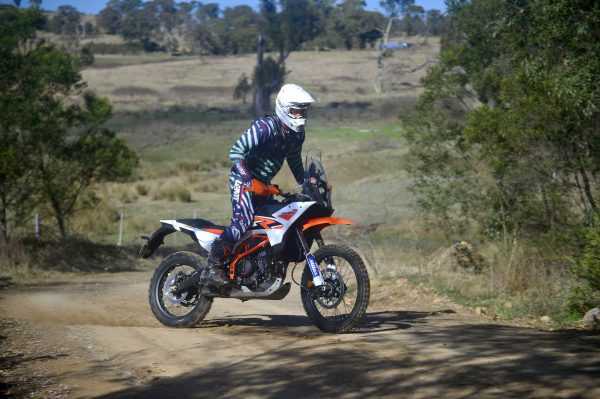
We were also impressed with the chassis and rider triangle. The 390 Adventure R has a solid standing and seated position. Compared to the taller Enduro R variant, the Adventure has a slightly lower seat, which will suit less confident riders or those shorter in stature. At 188cm, I never felt cramped, even with the scalloped seat. The balance between the pegs, bars, and seat felt natural for both sitting and standing, making long stretches of testing comfortable.
Exhaust and Water Crossings
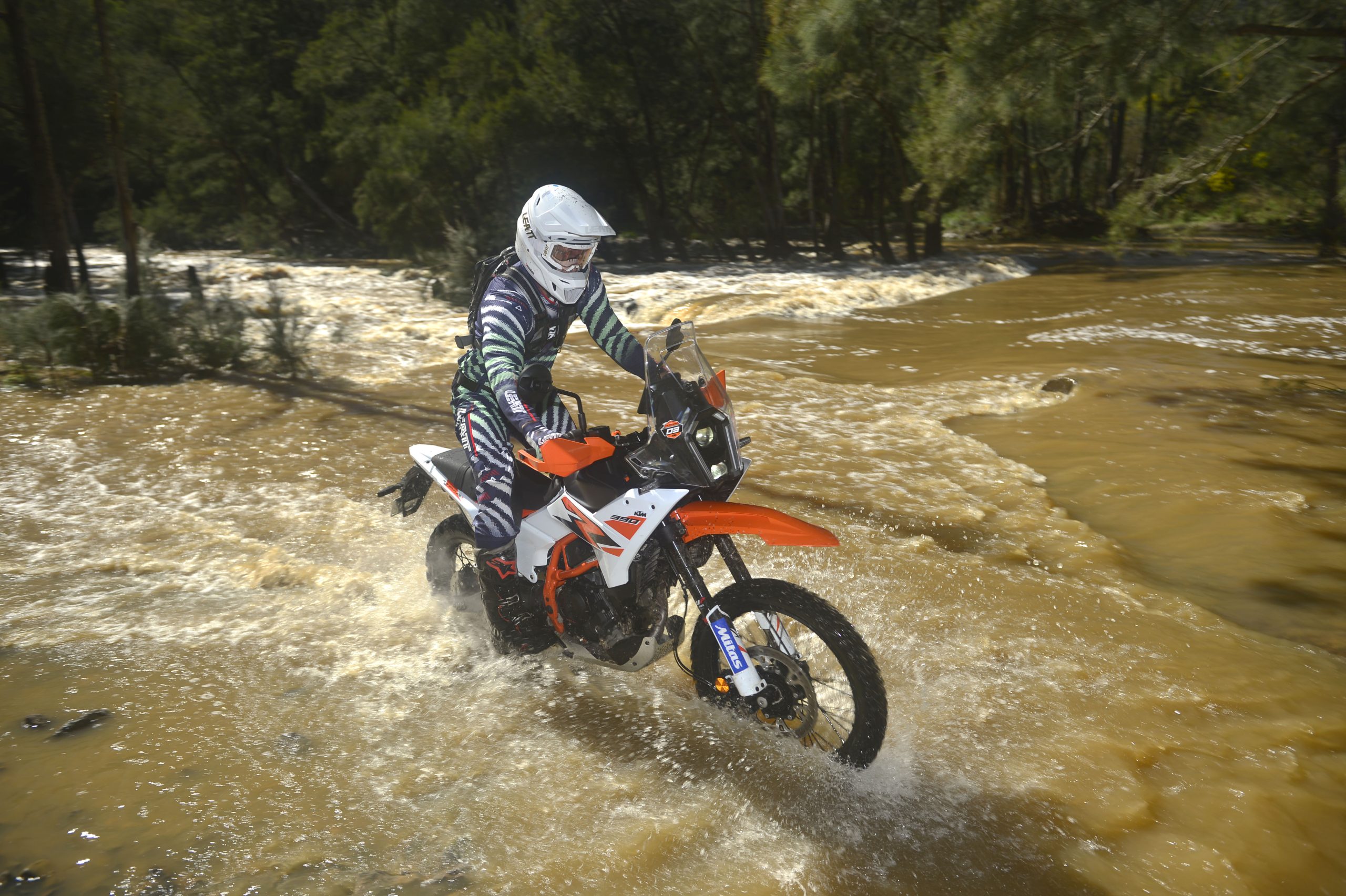
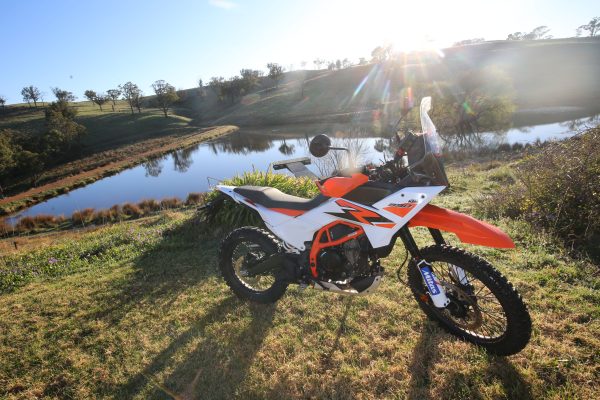
One area riders might be wary of is the exhaust design. Unlike traditional dirt bikes with a high-mounted muffler under the guard, the 390’s exhaust exits low. On paper, that looks like an issue for water crossings. In practice, we rode through plenty of rivers and standing water during a rain-soaked test and never had a problem. No backflow, no coughing out, no drowned motor.
Braking
Braking was another strong point. The bike runs ABS front and rear, with settings varying across the modes. In Offroad mode, ABS is reduced, letting the rear lock for controlled slides while keeping a touch of safety up front. In Wet mode, ABS intervention is stronger, keeping things stable on slippery surfaces. Street sits in the middle. ABS can also be toggled off entirely if you want full manual control.
The front runs a single disc, and while it pulled the bike up well, a twin-disc setup would be a nice luxury – especially for riders who prefer heavy front-braking. But at around 170 kilos wet, dual discs aren’t necessary. Once you load the bike up with panniers and gear, pushing closer to 190 kilos, the single disc still does the job. For the price, the braking package is more than acceptable, and adjustable levers help dial in comfort.
Wrapped up
The motor stands out above everything else – it’s punchier, revvier, and far more fun than a “390” has any right to be. The fairing setup surprised us with excellent wind protection. The suspension is plush and forgiving, with enough adjustment to keep most riders happy, even if it bottoms out when pushed well past its brief. Ride modes are convenient, the chassis is comfortable for all sizes, the brakes are effective, and the fuel efficiency is pretty good.
At around $11,000, KTM has built something that can take you around Australia without breaking the bank – or your back. It’s light, manageable, and packed with features usually reserved for bikes twice the size and cost. What’s new for 2026 is more than just a badge. This is the first time KTM’s smallest ADV has worn the R moniker, and the changes justify it. KTM has finally rebuilt the 390 Adventure into something that looks like it belongs in the desert, even if most of them will still end up parked outside Woolies on a Saturday morning.
We had so much fun on this bike, and that says it all. The 390 Adventure R proves you don’t need 1200cc and 200 kilos to go adventuring. Sometimes, the smaller the package, the more useable the power and the bigger the grin.
Fuel Tank and Range
Fuel efficiency is another major tick. The 14-litre tank delivered over 250 km on a day’s riding without even turning the fuel light on. We were in the midle of nowhere so couldn’t risk running out of fuel but our guess is around 300km. For riders who want to kit the 390 out with panniers and load it up for long-haul travel, that tank size is going to make life much easier than stopping every 150 km like some bigger-bore enduros.
Bernie’s Take
Age: 54
Ridden: Old enough to have sampled all kinds of bikes
What a fantastic bike! It has a very linear power delivery and a great top-end. I initially thought the gearing was very tall, but after riding this bike for a couple of days, I found it was actually really good. It easily sits on 100 km/h freeway speeds and tackles tight hills in the bush with casual aplomb.
The riding position is very much “in the bike.” The handlebars are a good height, and the controls are of good quality. The dash is highly readable in sunlight and provides excellent information. The quickshifter is one of the best I’ve used. It’s an easy bike to ride around town or on the road, and an absolute blast through single track and trails. The bike feels nimble and easy to throw around. The suspension does a great job in rough terrain and handles potholes and rough roads very well. It finds its limits on larger jumps with a heavier rider on board, but that’s to be expected.
The bike looks great. The colours pop, and the inlaid graphics are well executed. The low exhaust looks fantastic and wasn’t overly loud. The bash plate is light-gauge but still capable of holding the bike when going over large trees. The provided Mitas tyres were excellent all-rounders, performing very well on both road and dirt.
KTM really knocked this one out of the ballpark. I loved it!
Ben’s Take
Age: 21
Ridden: Young pup so new to the adventure scene
When the bike arrived, my initial thoughts were that it’s a compact adventure bike with a modern aesthetic. It features an LED headlight and recognisable KTM red-and-white plastics, along with a decent-sized screen display with various functions.
Starting the bike, I was impressed by its quiet operation and minimal vibrations. The natural seat height and riding position made long trips comfortable and suitable for riders of all skill levels.
After test riding it, I noticed it had good power for all terrain. The throttle was very linear, and the gearing was perfect for both high and low speeds. The suspension, when set to standard, was comfortable and absorbed all road obstacles, from speed bumps to rocky hill climbs. It handled everything effortlessly.
One thing I found particularly helpful was the screen on the front, which provided good wind protection.
Overall, the KTM Adventure R is a reliable and fuel-efficient bike that can take you all over the world.
2025 KTM 390 Adventure R
Engine
- Type: 1-cylinder, 4-stroke engine,
- Displacement: 398.7cc
- Cooling: Liquid-cooled
- EMS: Bosch EMS with RBW
- Tank Capacity: 14 L
- Clutch: Cable
- Transmission: 6-speed
Suspension
- Front Suspension: WP APEX 43, compression and rebound adjustable, 230mm travel
- Rear Suspension: WP APEX Split Piston, preload with top ring, 230mm
Brakes
- Front Brake: 320 mm floating disc, ByBre radial calipers with 2 pistons
- Rear Brake: 240 mm disc, ByBre single-piston floating caliper
- Steering Head Angle: 62.9°
- Trail: 110 mm
Dimensions
- Wheelbase: 1481 mm
- Seat Height: 870 mm
- Ground Clearance: 272 mm
- Weight (Dry): 165 kg
Running gear
Handlebar: N/A
Front Wheel: 21″ x 1.85″
Rear Wheel: 18″ x 2.5″