At first glance, we couldn’t quite place the 2025 KTM 390 Enduro R. Standing in the carpark, staring at it from every angle, we argued about whether it was an enduro bike, an adventure bike, or something entirely in between. The high front fender and slim bodywork screamed trail weapon, but the fairing and large tank whispered long-haul adventure. It looked too refined to be a pure bush basher, yet too stripped back to be a full-blown ADV machine. For a moment, we thought KTM had built a bike with no real home — a machine that sat awkwardly between worlds.
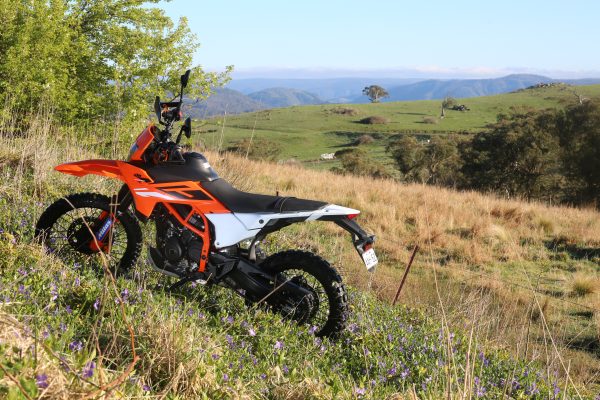
But once we threw a leg over it, those doubts disappeared faster than a KTM clutch lever in the rocks. The 390 Enduro R isn’t confused — it’s calculated. It’s the missing link between KTM’s 390 Adventure R and their EXC-F enduro line-up, blending the comfort and road manners of a small adventure bike with the agility and simplicity of a lightweight enduro. It’s not trying to compete with 500cc trail thumpers or heavyweight ADVs; it’s carving its own lane right down the middle.
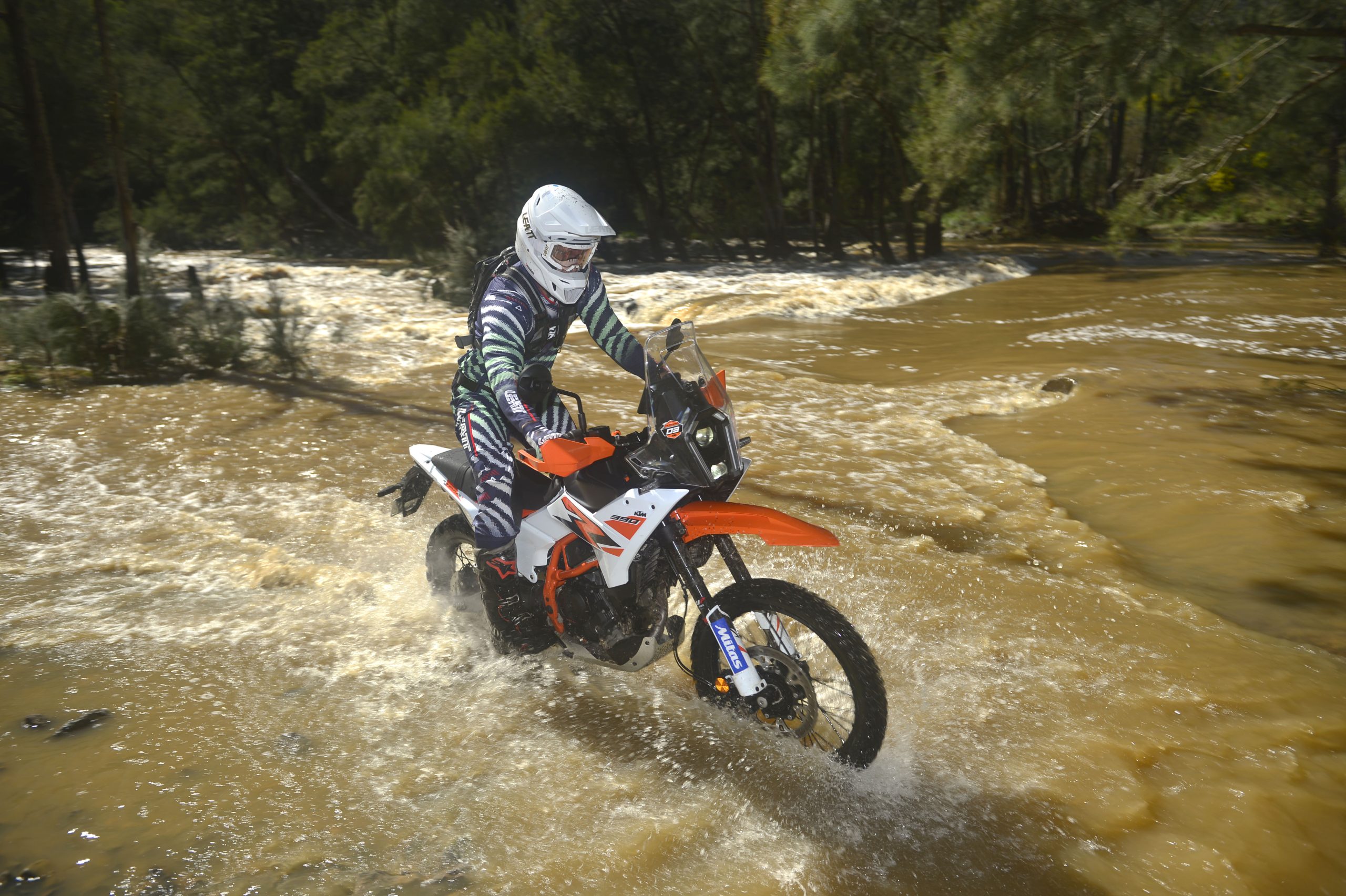
On the road, it’s smooth, manageable, and surprisingly quick. Off it, the chassis and suspension setup deliver just enough compliance and confidence to hit proper trails without that nervous, top-heavy feel you get from most small-capacity adventure bikes. You can commute during the week, explore forest trails on Saturday, and disappear on a long gravel adventure Sunday — all without changing a thing.
For under $11,000, KTM might have quietly built the ultimate dual-sport. It’s the do-it-all bike for riders who want one machine to cover everything from backroad exploring to weekday commuting — no trailers, no dramas, just fuel up and ride wherever the dirt (or bitumen) takes you.
Where does it fit?
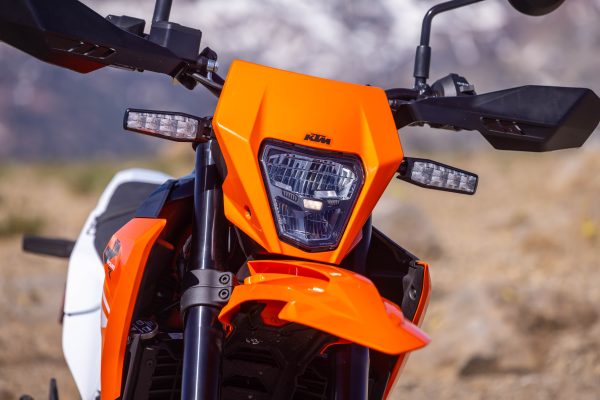
I’m looking at this thing thinking—well, it’s meant to be the same bike as the 390 Adventure, but it looks very different. It looks much more motocross or enduro-inspired, especially with that front headlight that resembles an enduro bike. Even the seat is flatter and less scalloped out, giving it more of an off-road feel.
Originally, I thought this would be the bike for less experienced adventure riders—something a little simpler, without all the big bits hanging off it. But now I’m starting to think it’s actually for riders who want to go more off-road.
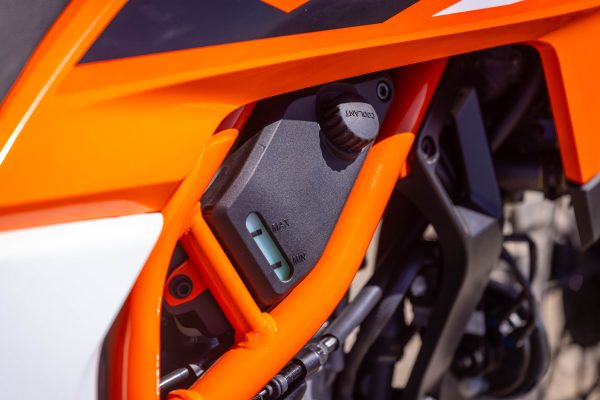
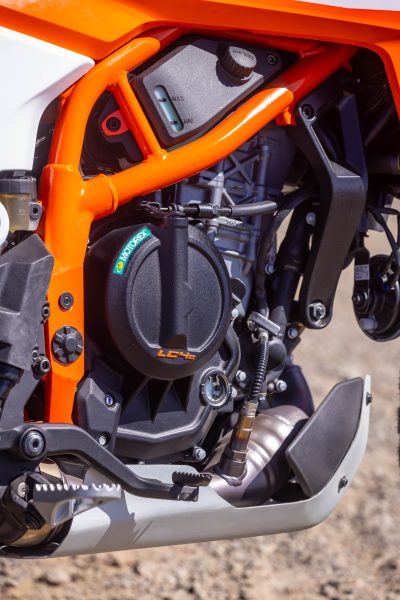
Now, this bike gets all the same components as the brand-new KTM 390 Adventure R—same motor, same suspension, new trellis frame, same subframe—but with a few key differences. The most obvious is the fuel tank. You can see straight away it doesn’t come up as high. The difference is five litres: this Enduro carries a 9-litre tank compared to the Adventure’s 14-litre.
Another key difference, as I mentioned, is the seat. It’s a little flatter compared to the Adventure’s more sculpted seat and sits about 20mm higher at 890mm. And the most obvious visual change—it doesn’t get the big tower. That tower is brilliant for wind protection, as we discovered with the Adventure R.
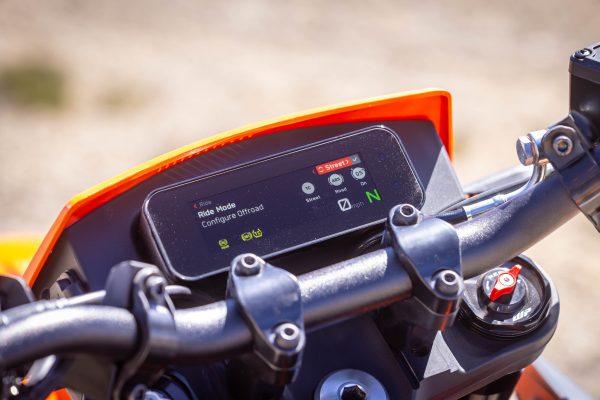
It’s also a slightly cheaper model—roughly $1,000 less at just over $10,000. You lose a few engine modes; this one only gets Street and Off-road, with no Rain mode. Within those maps, you don’t have quite as much customisation as you do on the Adventure model. For instance, you can’t adjust the throttle response in Off-road mode here, but you can on the Adventure.
In the single
My word—this is a different bike to the KTM 390 Adventure. I know they share all the same core parts except for the tank, fairing, and a few bits and pieces, but the seat and those minor changes make it feel like an enduro bike—just like its name suggests.
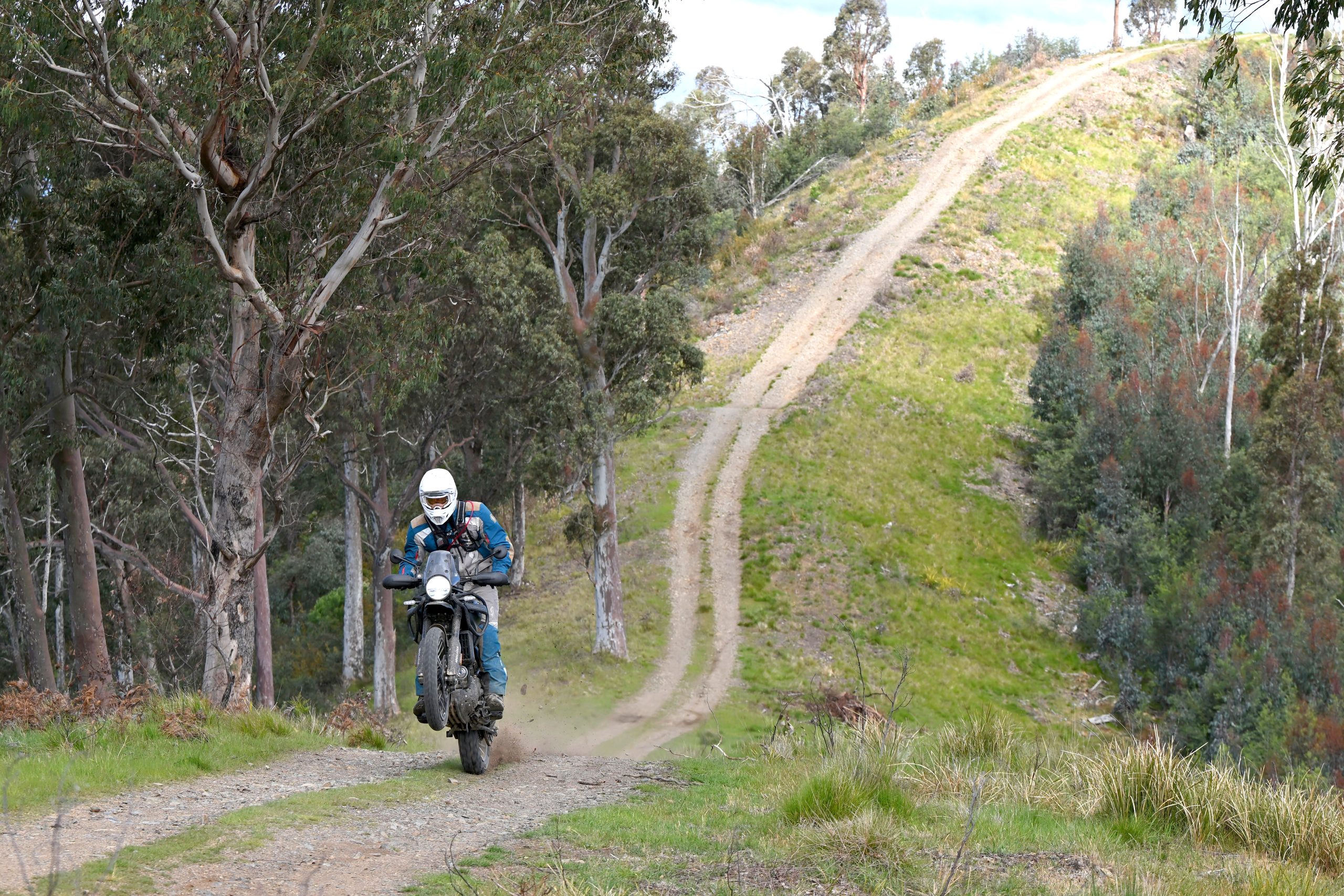
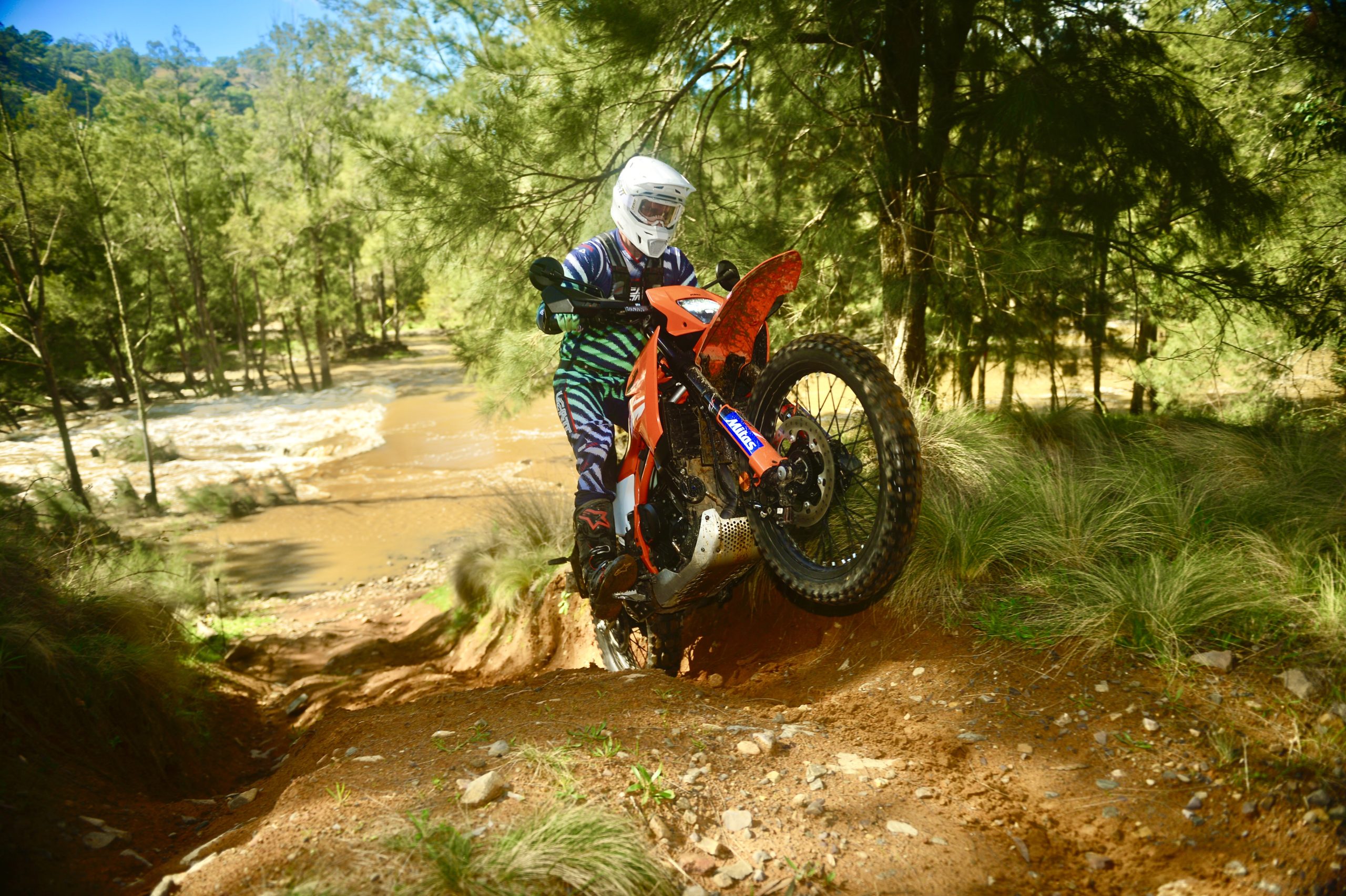
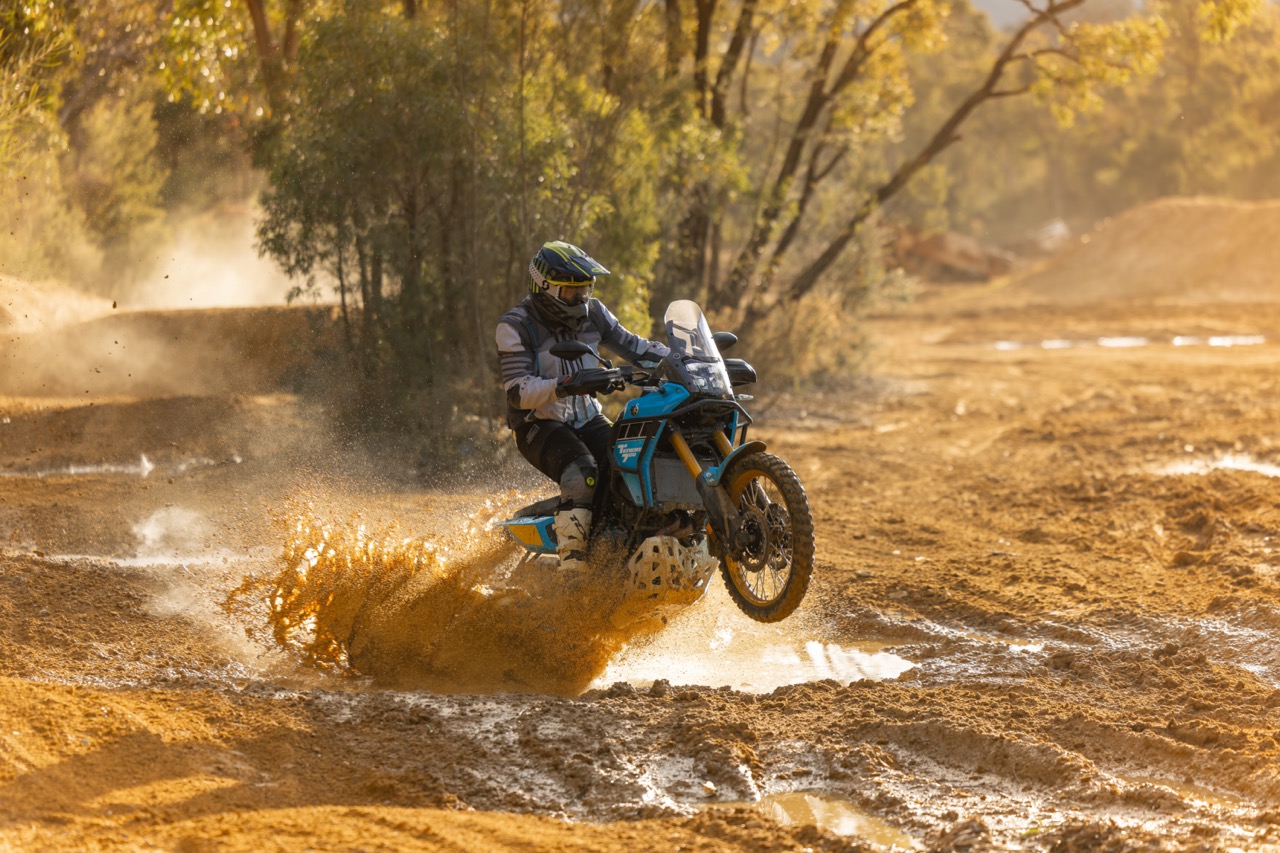
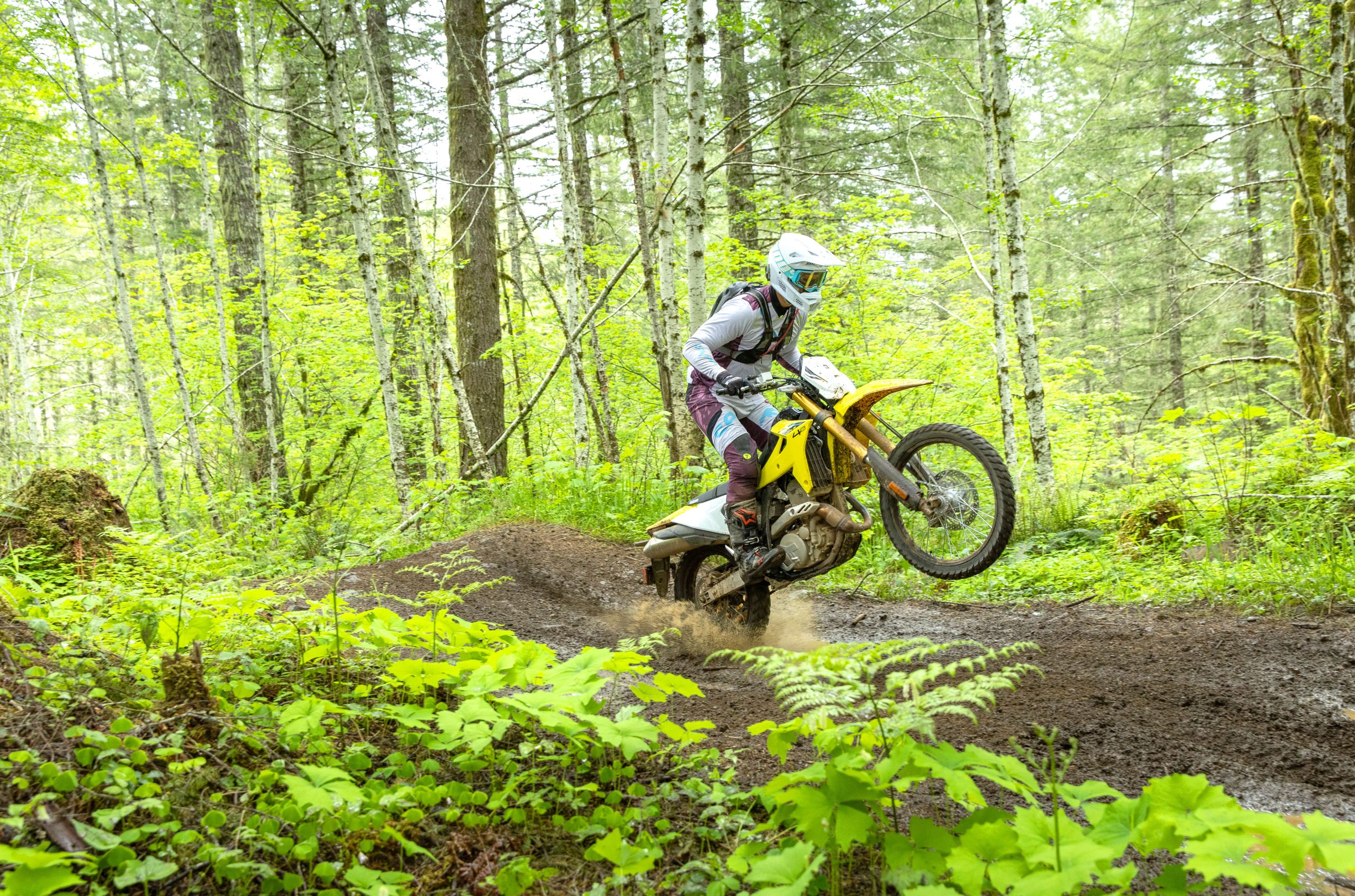
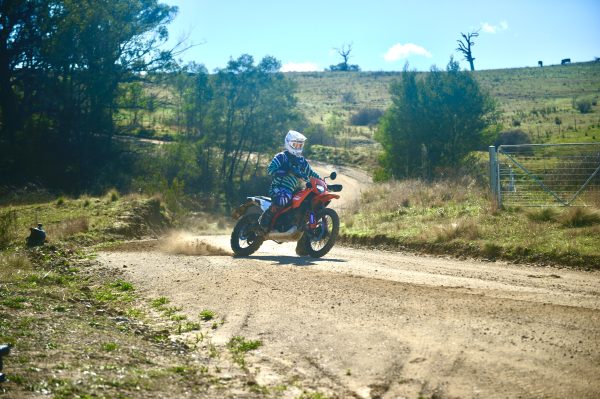
We were able to singletrack it, moto it up and down a bunch of valleys like a motocross bike, and it just offered an easier body position to move around on—like you would on a true dirt bike. So, that’s how we treated it.
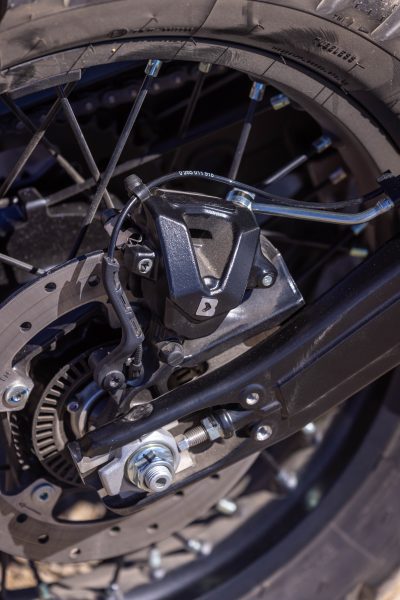
Now, like the 390 Adventure we’ve already tested, this bike’s motor is just so much fun. The mid and top-end rev forever, and there’s plenty of power all the way through. You can roll the throttle on and off through corners, drift it, and kick the back out. It slides from mid to top smoothly—something most small-capacity bikes struggle to do. We were seriously impressed with the motor.
We were also really impressed with the balance of the bike. We could stand on the pegs through singletrack, sit down and motocross it, and really push it into corners. It felt well-balanced, planted, and solid on the ground. For a bike that’s technically a commuter or dual-purpose machine, it has incredible off-road capability.
As for suspension, you can throw it into anything. It’s soft, compliant, and plush. Sure, it’s not going to soak up a five-foot erosion mound and land perfectly without complaint—it’s not designed for that. It’ll clunk loudly but over the smaller, choppy stuff, it’s smooth and confidence-inspiring. It never twitched or made us feel uncomfortable, and we were able to do everything we wanted with the basic suspension setup.
The WP suspension offers proper adjustment too. We set everything as firm as possible—I’m nearly 100 kilos in full gear and 6’2”—and found it held up nicely under hard braking down steep fire roads without blowing through the stroke. Winding it back to full soft made a massive difference—ideal for lighter riders who don’t want to feel beaten up by corrugations. The range of adjustment is significant and noticeable.
The maps work really well—Street and Off-road are all you really need—but there’s just not as much adjustability as there is with the Adventure. We didn’t feel the need to change anything; the factory settings for ABS and traction control felt spot on. Just be aware that the Adventure offers a little more fine-tuning if you want it. And the ABS can’t be turned off up front.
Now, I think one of the reasons the 390 Enduro feels slightly easier to manoeuvre is because of the smaller fuel tank. Like we mentioned earlier, the reduced tank size lets you get further up and over the bike, really pushing into corners without feeling like you’re sitting deep in the saddle. The smaller tank also means less weight up high, making the bike feel less top-heavy than the 390 Adventure. It’s easier to flick through corners, and riders who aren’t as confident might actually prefer that lighter, more manageable feel.
The only downside to this motor is that it struggles a little right off the bottom. As soon as you open the throttle and let the clutch out, you need to give it a decent rev to get moving—whether that’s doing a U-turn, taking off quickly, or threading through tight singletrack. We did flame out and stall a few times. It doesn’t have that EXC-style low-down torque where you can let the clutch out completely without touching the throttle. You’ll need to keep a little throttle on to avoid stalling. You could probably fix some of this with final gearing changes, but in stock form, it will stall off idle if you’re not careful.
Who should buy it?
If you’re planning long highway runs or big, open dirt-road adventures, go for the Adventure—the wind protection from that screen is excellent. But if you’re commuting, doing weekend dirt runs with mates, or tackling proper 4WD-style tracks, you won’t miss it. Up to about 60–80km/h, the lack of wind protection isn’t an issue. After that, you start to notice it.
For tighter, more technical riding—logs, trees, rocky climbs—the Enduro’s minimalist front end actually works better. You don’t have that big fairing to clip your chin or get in the way. We preferred the cleaner setup for the kind of terrain we tested it in.
It’s a little motocross bike wrapped in a dual-sport commuter package, and we had a heap of fun revving it to the moon and racing each other around fire roads and singletrack. IT’s one of the only genuine dualsport motorcycles on the market that really can hit singletrack, the bitumen and the open dirt road.