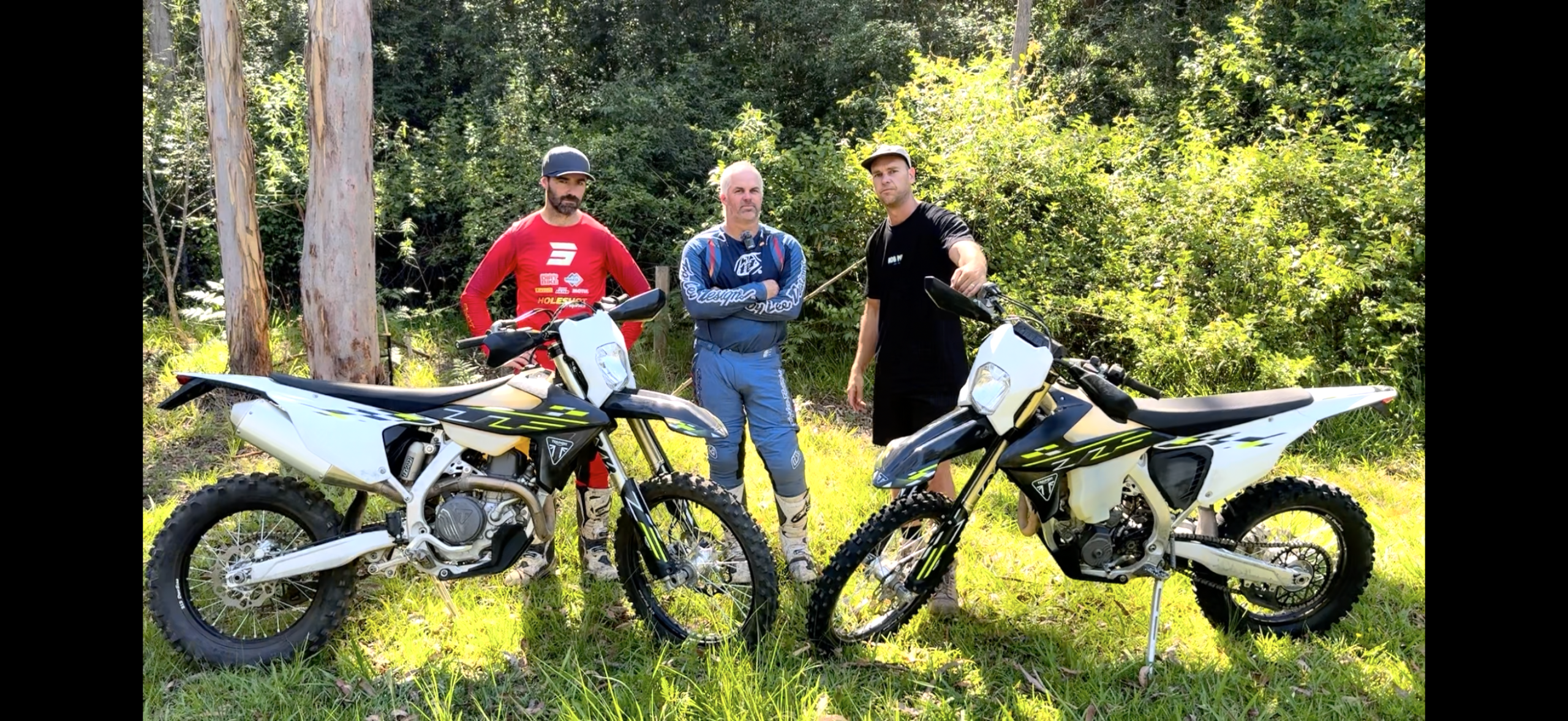
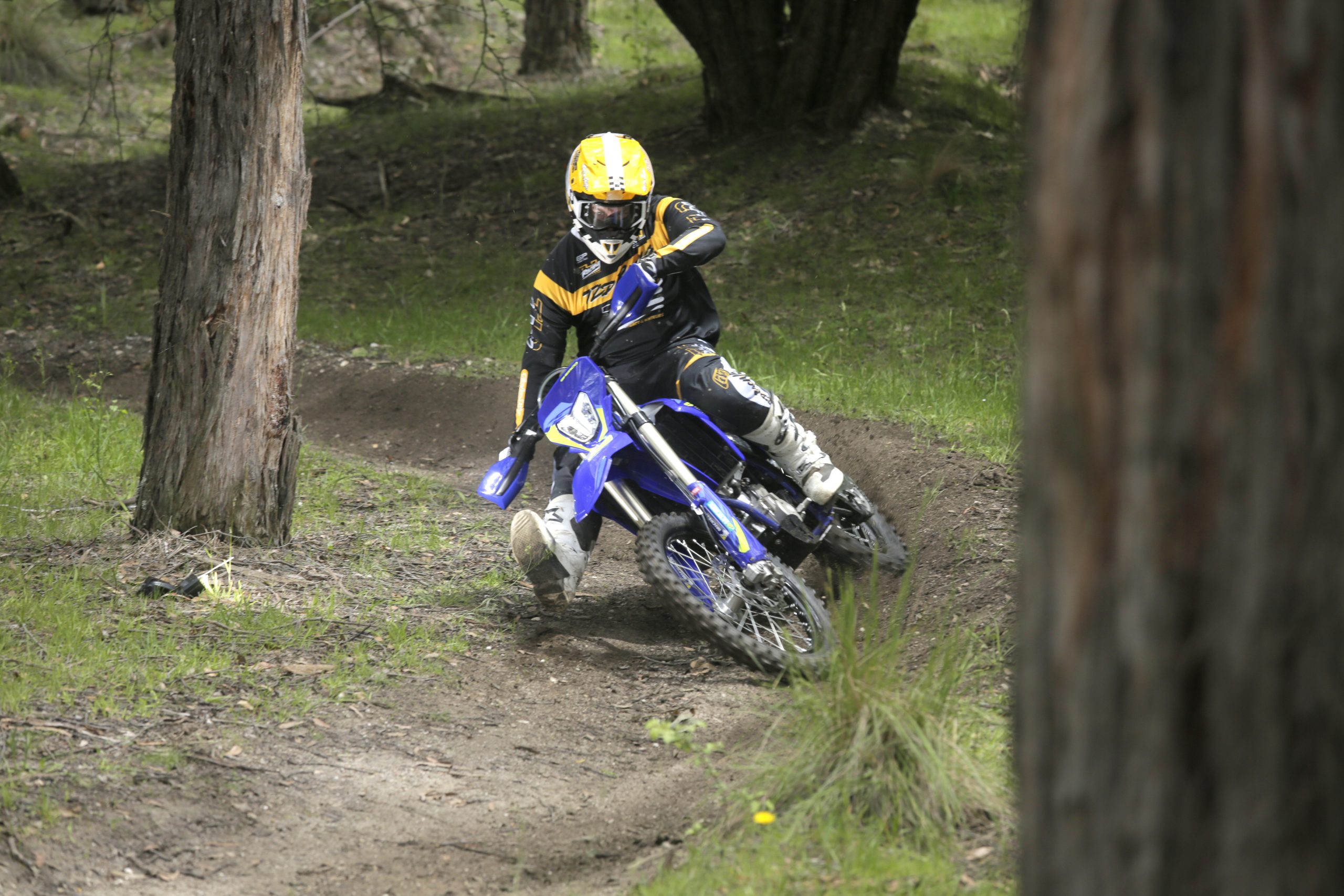
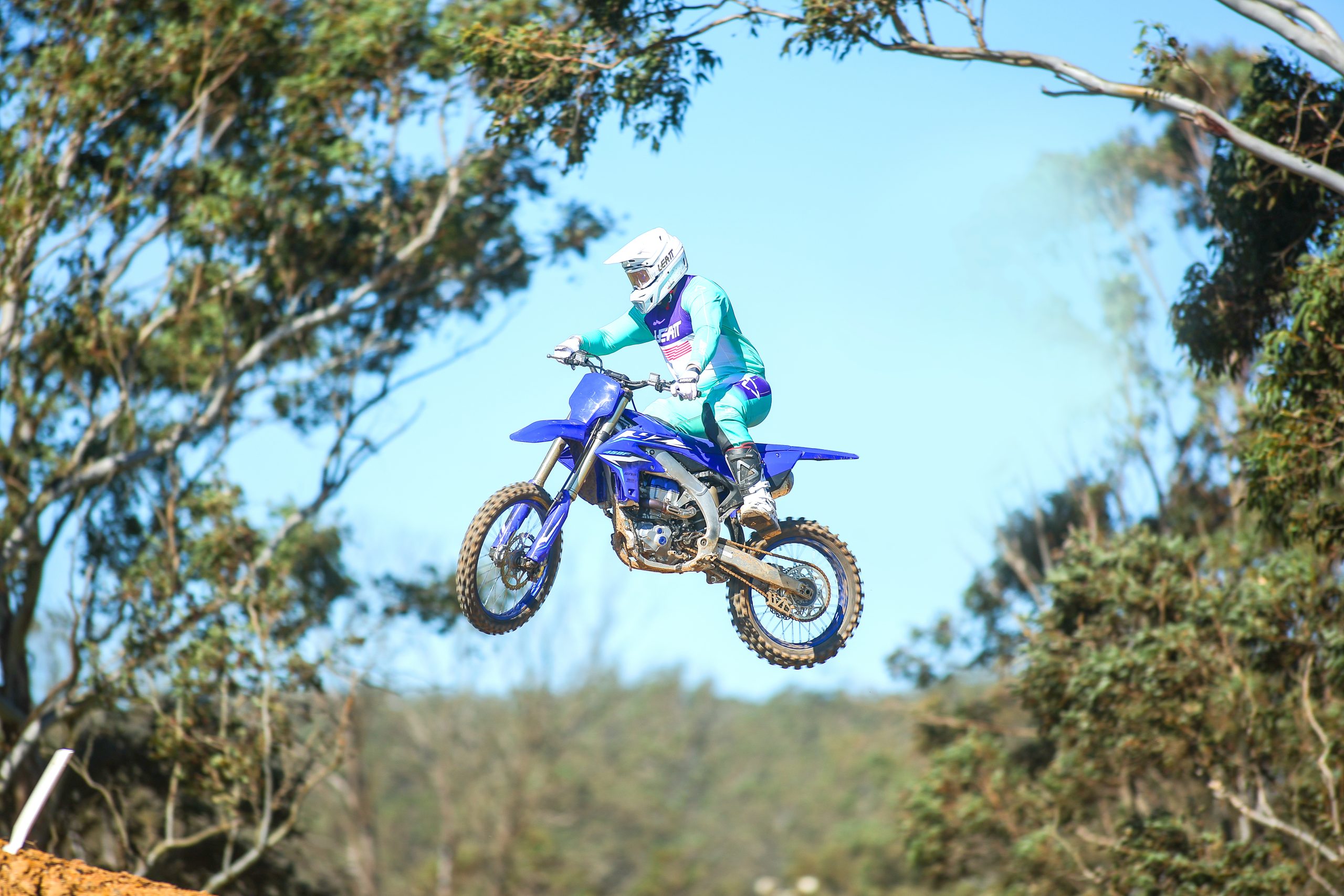
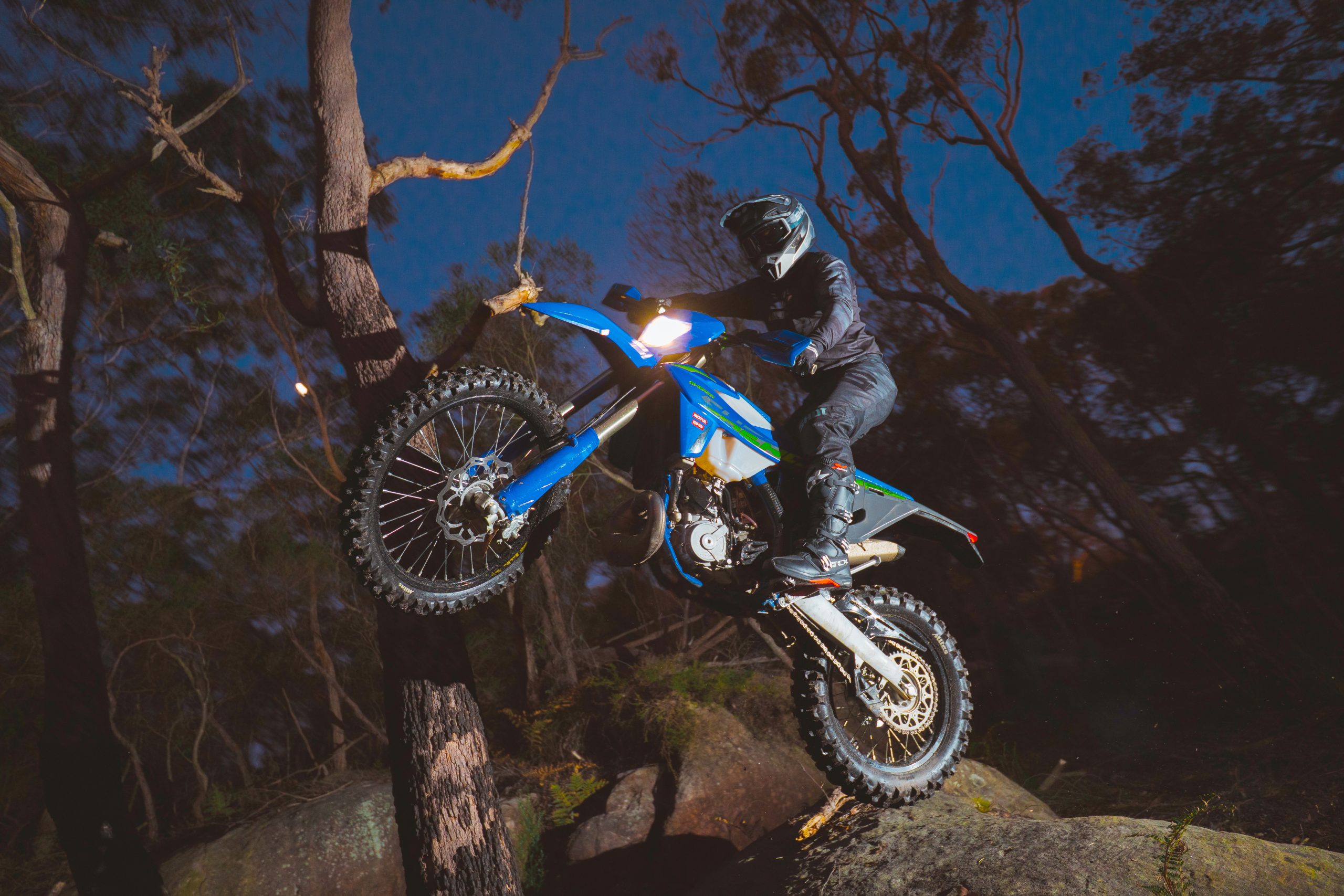
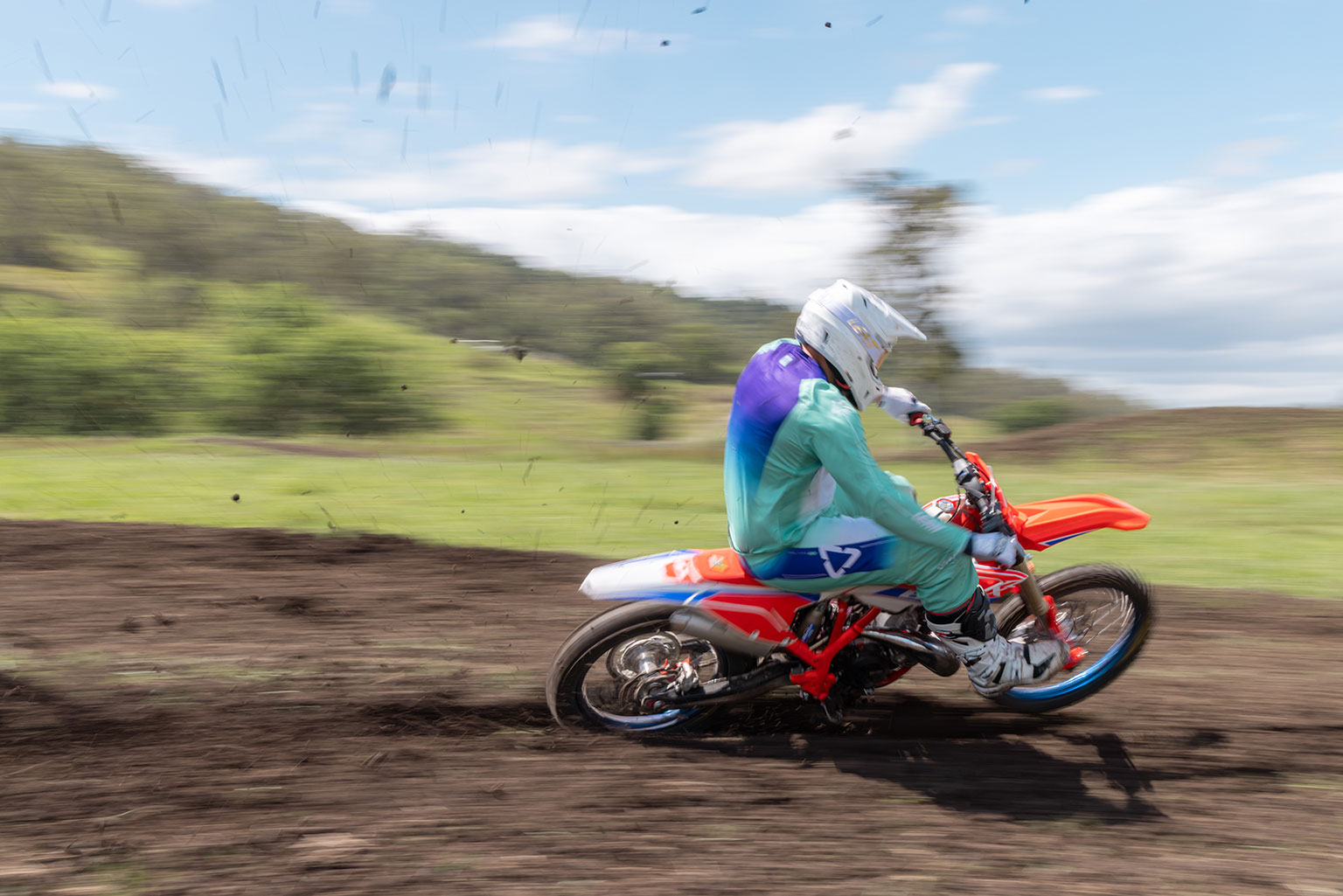
It’s a question that gets asked every weekend in the pits, in Facebook groups, and over a beer after a ride, should I be on a 250 or a 450 four-stroke? On paper, the answer seems obvious. Four-strokes are the fastest off-road race bikes in the bush, and the bigger the number on the shroud, the faster it must be… right? More power, more torque, more speed. But racing isn’t done on spec sheets, it’s done against a stopwatch, when fatigue sets in and mistakes start costing seconds. So we pitted a Triumph TF 250-E V 450-E.
Here at ADB, we’ve long copped heat for saying a 450 is too much bike for most riders. We’ve joked that unless your name is Toby Price, a 450 can be more liability than weapon. They’re heavier, hit harder, punish mistakes, and demand precision when you’re already hanging on. But the reality is that a lot of riders still believe the 450 will make them faster simply because it can go faster. The question is whether that potential ever actually gets used by an A-, B-, or C-grader once the track tightens up and the lungs start burning.
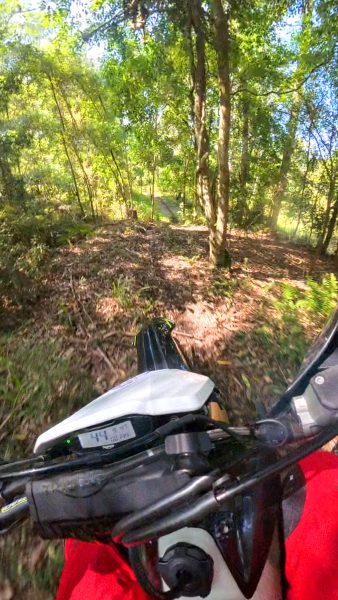
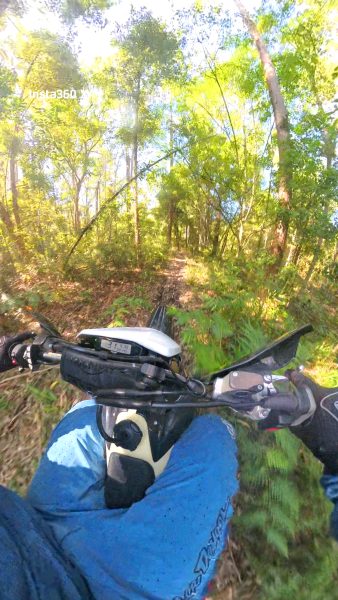
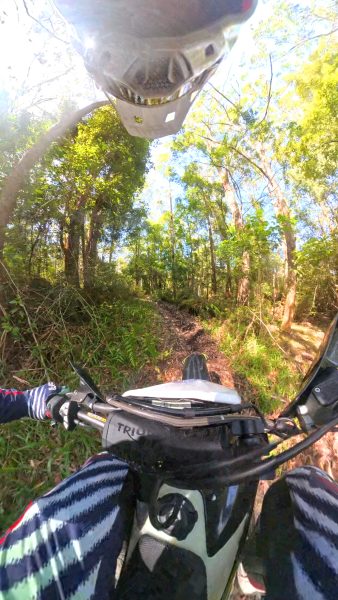
So what about the 250? It’s lighter, easier to ride, less fatiguing, and far more forgiving when technique starts to unravel. For a C-grader, that might mean riding longer at a higher percentage of their ability. For a B-grader, it could mean fewer mistakes and better corner speed. And for an A-grader or pro, it raises the uncomfortable question: is outright horsepower actually helping, or is it masking inefficiency? Is the smaller bike forcing better lines, cleaner riding, and ultimately… faster lap times?
To find out, we stopped arguing and got the stopwatch out. Same day, same track, same tyres, same conditions. A 250cc four-stroke and a 450cc four-stroke went back-to-back on a five-minute special test, ridden by A-, B- and C-grade riders. No bench racing, no excuses, just cold, hard data. The results didn’t just challenge pub-talk wisdom… they exposed how differently each grade actually rides, and which bike really lets them ride at their best.
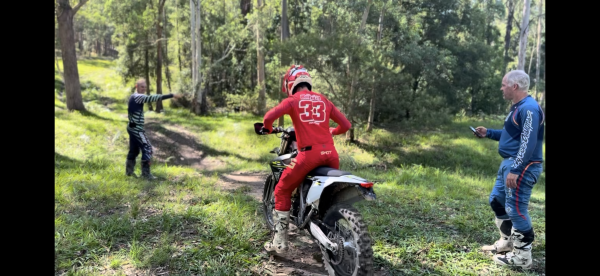
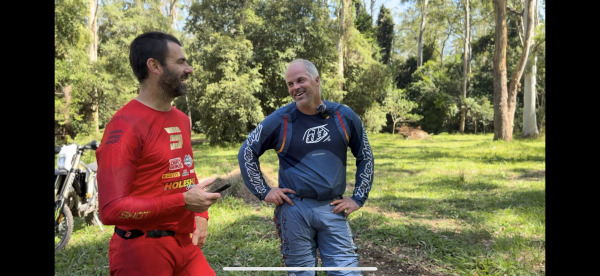
Let’s start at the sharp end. Our A or Pro rider, Geoff Braico’s times were exactly what you’d expect from a rider who’s won Aussie titles and spent most of his career on big-bore machinery. On the 250 four-stroke he logged a 3:11. On the 450, that dropped to a 3:07. Not a massive margin, but at pro pace four seconds over a five-minute test is a lifetime. What stood out wasn’t brute acceleration, it was how easily the average speed stayed high on the bigger bike.
“The track’s not super technical,” Braico explained, “so you’re not moving around a lot. Once you learn the bike, it’s easier to keep that average speed up on the bigger one.” The 450 let him leave it in third gear almost everywhere, focus on lines and traction, and avoid the constant mental load of driving the bike hard out of every corner. On a 250, you’re forced to attack exits harder, carry more corner speed, and get on the gas earlier, which sounds fast, but adds up to tiny losses when traction isn’t perfect. A quarter-second lost here, another there, multiplied over dozens of corners.
At pro pace, that difference compounds quickly. Braico summed it up neatly: the 450 feels more settled. It lets you come in smoother, set the bike, and drive out cleanly. The 250, by comparison, demands more aggression. That’s not a bad thing, but it is a different workload.

When the question turned to race strategy rather than single laps, Braico was clear. For a two-day AEC, a mix of sprints and cross-country, the 450 still makes sense. Australian enduro tracks are generally faster and more open than their European counterparts. Sand rounds, longer tests, higher average speeds, all of that plays to the strengths of a bigger four-stroke. Yes, a 250 is lighter and more playful underneath you, but it also asks more from the rider physically. Over a full season, that matters.
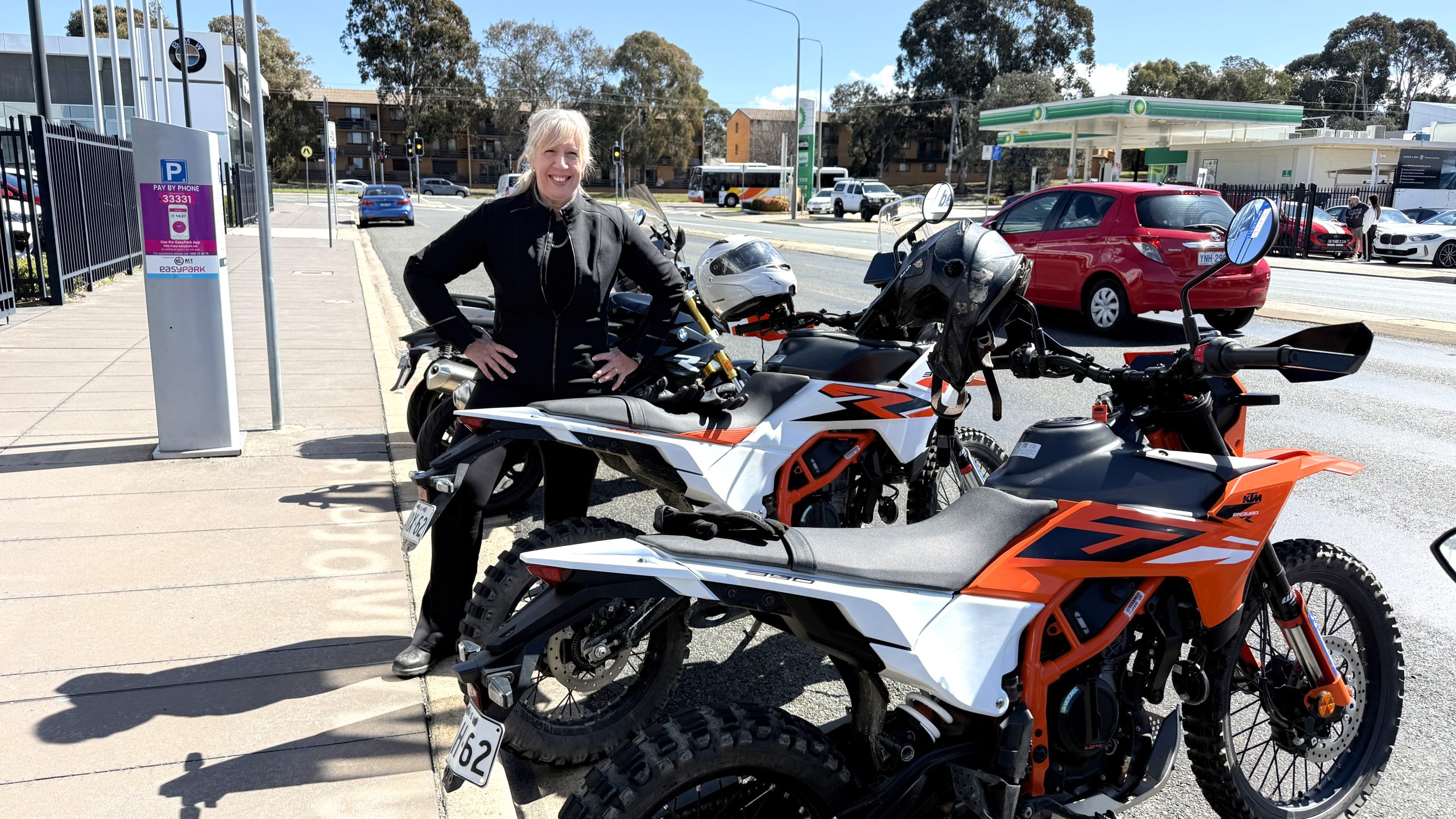
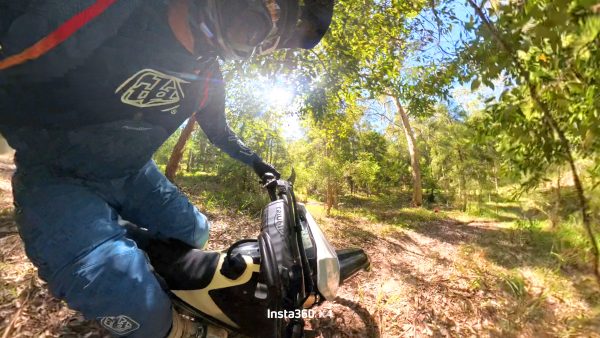
Then there’s Jeff Briggs, the B-grader (who’s really an a-grader), trail rider, racer, working dad archetype. Briggs clocked a 3:20 on both bikes. Identical times. No advantage either way on paper, which in itself is fascinating. But the way those times were achieved told a deeper story. On tighter sections, the 250 felt more nimble and forgiving. On faster, flowing parts, the 450 made life easier.
“If I could pick certain bikes for certain tests, I would,” Briggs laughed. Sand? 450. Fast hilltops? 450. Tight, technical stuff? The 250 starts to shine. But even on this relatively tight loop, the 450 never slowed him down. In fact, if anything, it reduced workload. Less shifting. Less clutch. More rolling momentum.
Briggs rides a realistic mix of trail riding and racing, about 60–70 percent trail, 30–40 percent competition. He’s not riding every day. He’s fitting rides in between work and family. That makes his takeaway important. Even though the times were identical, he’d still lean toward the 450 for most scenarios. Not because it’s faster in a headline sense, but because it’s easier to live with. Easier to ride consistently. Easier to manage when you’re tired. Easier to adapt across different tracks.
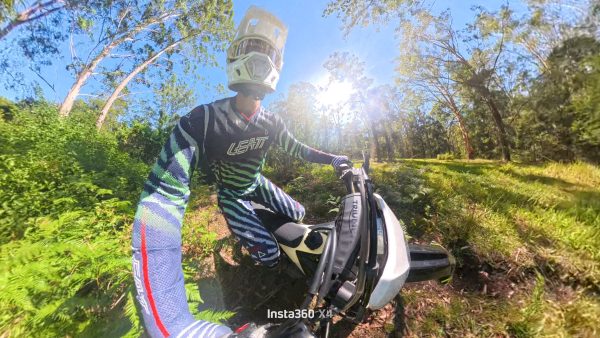
And that brings us to the real surprise of the day, the C-grader result. Mitch Lees went into the test fully expecting to be quicker on the 250. Lighter bike, less power, less intimidation. That’s the common wisdom. But the stopwatch told a different story. On the 250, Mitch logged a 3:52. On the 450, that dropped to a 3:49. Three seconds. On a five-minute test.
That result raised eyebrows, especially Mitch’s own. The reason, once unpacked, made perfect sense. Riding background matters. Mitch spends most of his time on 300cc two-strokes, lugging engines rather than revving them. The 450 four-stroke played straight into that habit. Third gear everywhere. Smooth throttle. Minimal drama. The bike did the work.
“I thought I’d be quicker on a 250,” Mitch admitted. “But the 450 let me just cruise. I didn’t have to push, didn’t have to worry about getting hurt.” In brutal heat, that mattered even more. Less effort meant more consistency. More consistency meant a faster overall time.
This is the part of the debate that often gets missed. For C- and B-graders, outright aggression rarely equals outright speed. Riding at 70–80 percent with fewer mistakes often beats riding at 95 percent while fighting the bike. On the right 450, and that caveat matters, the power doesn’t have to be scary. In fact, it can be calming.
Modern 450s vary wildly. Some are aggressive, sharp and exhausting. Others, like the Triumph tested here, is remarkably tractable. They allow slower riders to use torque rather than revs, momentum rather than panic. Maintenance intervals are often longer. Fuel range is better. Resale can be stronger. For a club-level rider, those practical factors stack up quickly.
That’s not to say the 250 four-stroke doesn’t have a place. In super-tight terrain, for riders who enjoy an active style, or for those racing in formats that reward aggression and precision over outright flow, a 250 can be brilliant. Plenty of championships have been won on them. But the idea that a 450 is automatically “too much bike” for anyone below pro level doesn’t hold up when you actually test it.
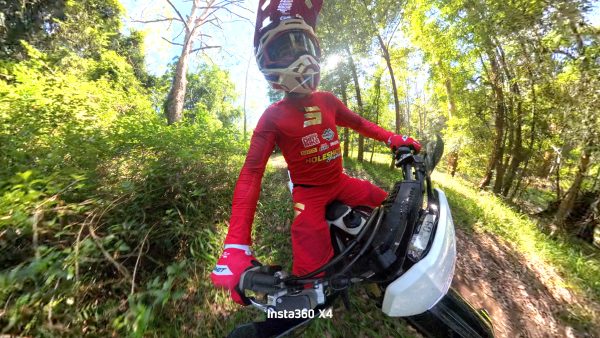
There can only be one winner
The real takeaway from this test isn’t that one bike is universally faster. It’s that how you ride matters more than what you ride. The pro was faster on the 450 because it let him maximise average speed. The B-grader was equally fast on both, but found the 450 easier to manage. The C-grader was significantly faster on the 450 because it reduced workload and risk.
In other words, the stopwatch doesn’t care about internet wisdom. It cares about momentum, consistency and confidence. And sometimes, the bike everyone says you “shouldn’t” be on is the one that quietly makes you faster.
This won’t be the last time we test this. Different tracks, different conditions, different bikes will all shift the balance. But for now, one thing’s clear: engine size alone doesn’t decide speed, the rider does. And sometimes, the bigger bike just lets them do it more easily. And we admit, after all these years maybe we were wrong, maybe most punters would be better-off on a 450?