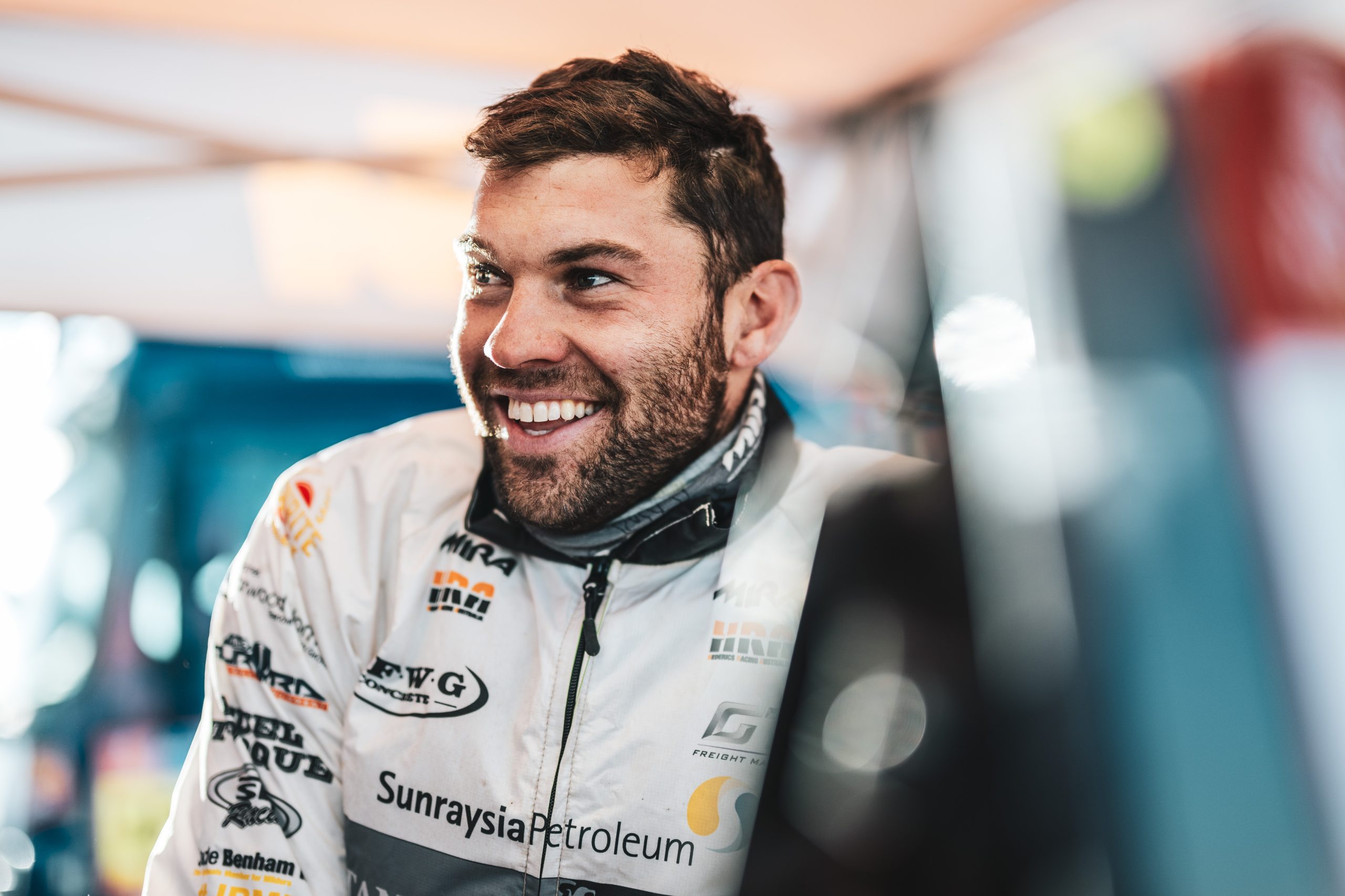
As you’re reading this, the 2026 Dakar Rally will be underway or almost finishing and we are hoping our very own columnist Daniel Sanders will be on his way to victory. But how do you get into racing Dakar? What possesses someone to spend a small fortune to do one race for the year? On the eve of the 2026 Dakar Rally, ADB’s Ed Hartley sat down with Dakar rider Toby Hederics to get his take on the infamous race.
Toby, what got you into racing dirt bikes?
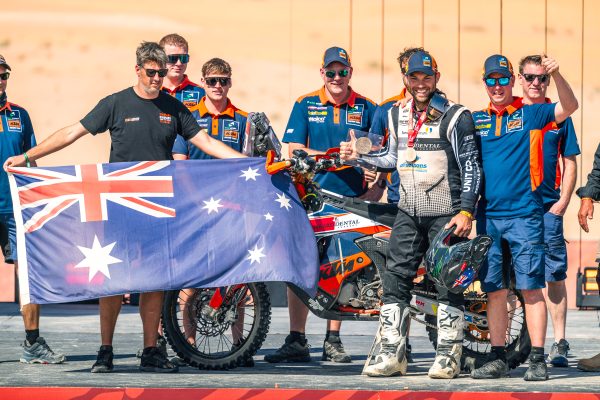
As for motivation, I was born into a motorsport family, but Dad finished bike racing with the Australian Safari around ’96 when I was only 1. [Dad being John “Hedge” Hederics, who won the Australian Safari 10 times — 6 times on a trusty Honda XR600 and another 4 in a car]. Dad did race cars through my younger years, but not being around during his bike career made it more intriguing, to be honest.
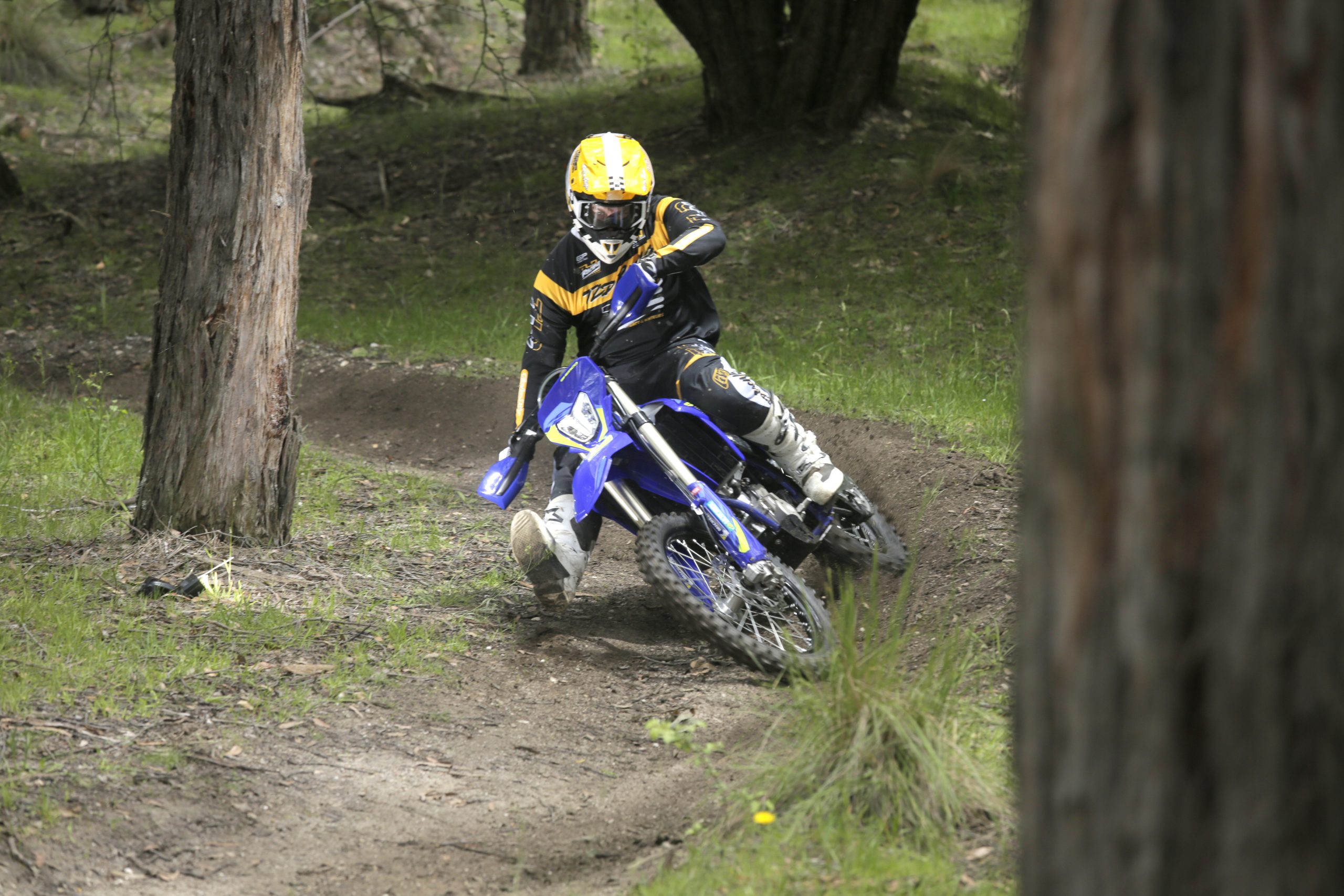
I liked bikes but mostly played footy as a teenager and didn’t really race until I was about 17 years old when I got into Finke, Hattah and the desert scene in Australia. After a while I put bikes on the backburner. Then in 2017 the Sunraysia Rally started; that got me back into racing, and I found the love for bikes again. Rally also suited my riding style. So between 2017 to 2023 I did Condo 750 and the Sunraysia Rally each year.
I committed to Dakar fully by Jan 2023, so it was 2 years in the lead-up. That sounds like a long time but I’m not gung-ho and had to be strategic about it with minimal risk. This is also how I ride, and why I suited rally riding. I’m calculated in what I do and try to ride smart to minimise risk. Even before that two-year period, I had conversations with Michael Burgess and Andrew Houlihan and they instilled the confidence in me to do Dakar and how to go about it.
What about getting there and the financial cost?
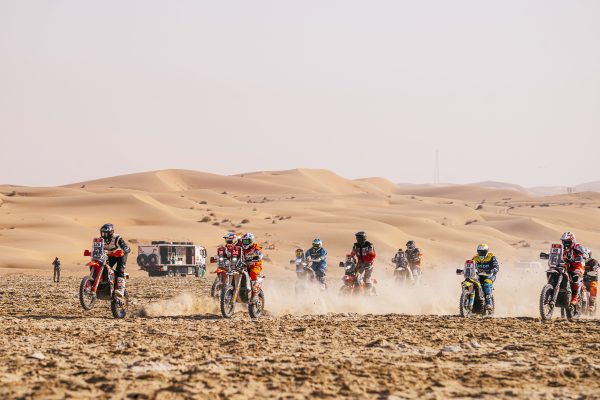
For us Aussies, it’s really only the professionals who do Dakar. So it’s hard to imagine getting there and competing. A lot of Aussies can ride a bike fast, especially in the desert, but not many do it professionally. In Europe there’s more funding; here it’s hard to imagine a viable path to Dakar, it’s so far out of reach.
I am lucky enough to be from Mildura where there’s an abundance of land and motorsport is massive. There’s huge culture here and the town gets behind anyone on the national or international stage. So two years out I was having conversations with sponsors to do Rally Du Maroc to try for Dakar. That was the biggest hurdle financially, the cost of rallying, especially Dakar. When I won the ‘rookie’ category at Rallye du Maroc in October 2023 that guaranteed my entry into Dakar. It was a great result and from then on sponsors knew it was the real deal, and more funding came in. In the end, sponsors covered around 75% of the mission.
But long before the sponsorship money was there, I’d had to commit to chasing Dakar. My position was unique with family life and business, it was a now-or-never opportunity. We’d just had our firstborn and a young child is much easier than a toddler. I had a few good contracts come in (as a landscaper) and so it really worked out. I had to commit from 2 years out, and that part really was the gamble.
What about injuries?
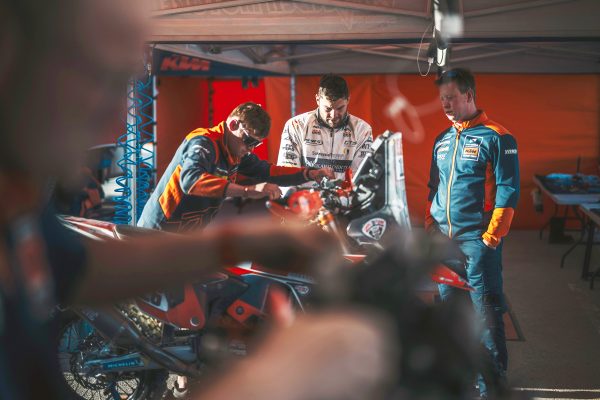
Not getting injured really matters. From 6 months out before Dakar, I was very careful with how I rode, where I rode, and definitely wasn’t going 100%. I was keeping up the KM and conditioning but didn’t even want to sprain a wrist or ankle. Even a small injury could throw things out.
And there’s Dakar stalwarts like Houlihan. He hit a heap of roos one year training and snapped his bike and got quite injured. This year in Dakar the medics had to take his helmet off him in the field to force him to stop racing after he had torn a bicep, broken some ribs and more in a crash. He’s almost unstoppable. In contrast, I was working very hard to be careful and not get injured.
What’s the step up like from Australian to international rallies?
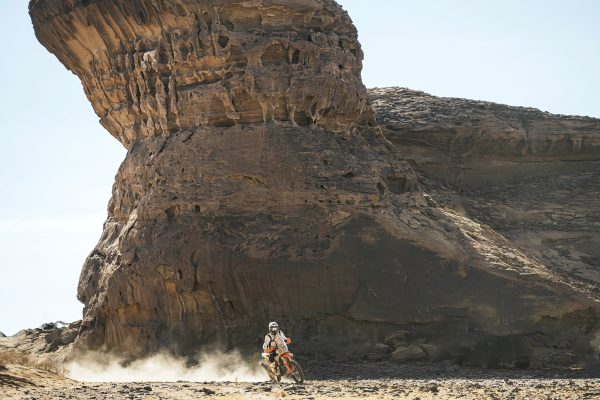
As far as learning to navigate, riding Condo 750 and Sunraysia does set you up to a degree. They’re a good taste of what it’s like to ride fast, concentrating on your speedo and reading a roadbook. As to how you navigate and the terrain, it couldn’t be more opposite. It’s hard to describe the difference other than in Australia, we’re always riding on tracks, there are lots of reference points and racing through farming land, but everything overseas like Morocco, Argentina and Dakar, is open desert.
Learning to navigate is about time and practice. For me it kind of came naturally as I don’t outride my navigation. Some of the really fast guys like Chucky ride so quickly on the bike they can initially struggle whilst learning, as they ride quicker than they navigate (obviously he’s nailed it now). But that part came naturally to me. The key is that it’s 80% mental, the 4 inches between the ears. The last bit is how fast you can ride the bike. You need to think your way through situations; to not become overwhelmed, keep it simple, read the terrain and interpret what they mean by looking at the tulip and translating it into the ground.
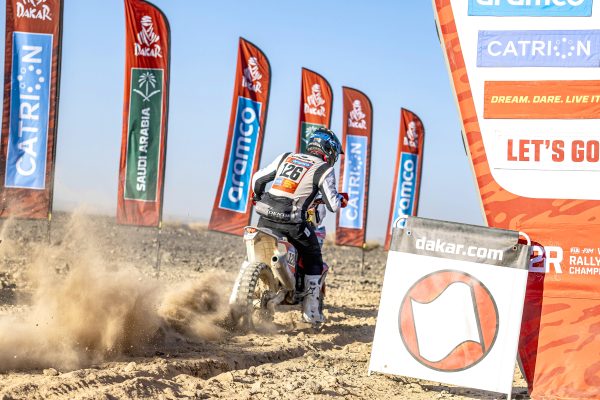
How do you train to navigate?
First you need to be so comfortable on the bike that when you’re on it you are not thinking about riding, it just happens. You can only be thinking about where you are going. You can’t push so hard that you’re focusing on your bike. Your bike speed needs to be natural. That’s where your riding needs to be at before tackling international rallies.
So what was your training like then?
As for off-bike training, I have my own landscaping business. Each morning in the two-year lead-up I’d do a 1-hour gym session at 5am, then go and work all day. It’s a physical job, I’m always on my feet. After, I’d go home and be a dad. That was my routine, I was stubborn, determined and needed tunnel vision to complete it.
I also needed to keep the work up, do a good job and earn the money for this mission. Luckily I landed some big contracts in the lead-up. I also focused on nutrition, including supplements with creatine, protein powders and so on. I tried to give myself the best chance mentally and physically. For that full 2-year lead-up period I kept it up and just did as much as I could with the time that I had. Looking back, I’m still happy with how my body held up. I didn’t really know what I was getting into but I wouldn’t change anything about my build-up. We even got married in the middle of it! Of course I had my moments, but it was something I really wanted to do and this was the window of opportunity.
On-bike training was of course very important. Once a week I’d ride through Mildura, Sunset into the whipper field or big sandy desert with its slow deep white sand all the way to Rainbow. I had lunch there. If you ride directly it could be 400 km, but I could open it up to 600 km of dirt. That meant getting up early, 4–6am depending on the light, and riding for 8 hours. Dad would follow me as much as he could. It was really about KM and riding so much it became normal, second nature. It’s a long day on the bike and a long time to be inside your own head. They feel long but you need to get to the point where 8 hours on a bike doesn’t really feel like a long time anymore. By the end of it, it felt normal. It’s also important to break it down by stops, where’s smoko, refuel, lunch and so on? When you start out, you never think about when you’re getting home, it’s about “where’s my next stop”. This became really important on the long, hard Dakar stages, especially with the mighty sand dunes in Saudi Arabia.
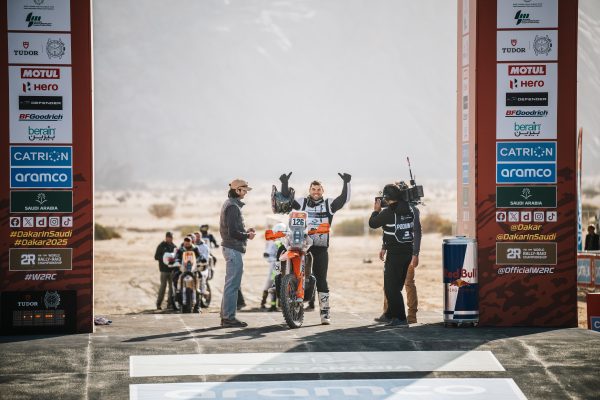
What about the change from enduro to rally bikes?
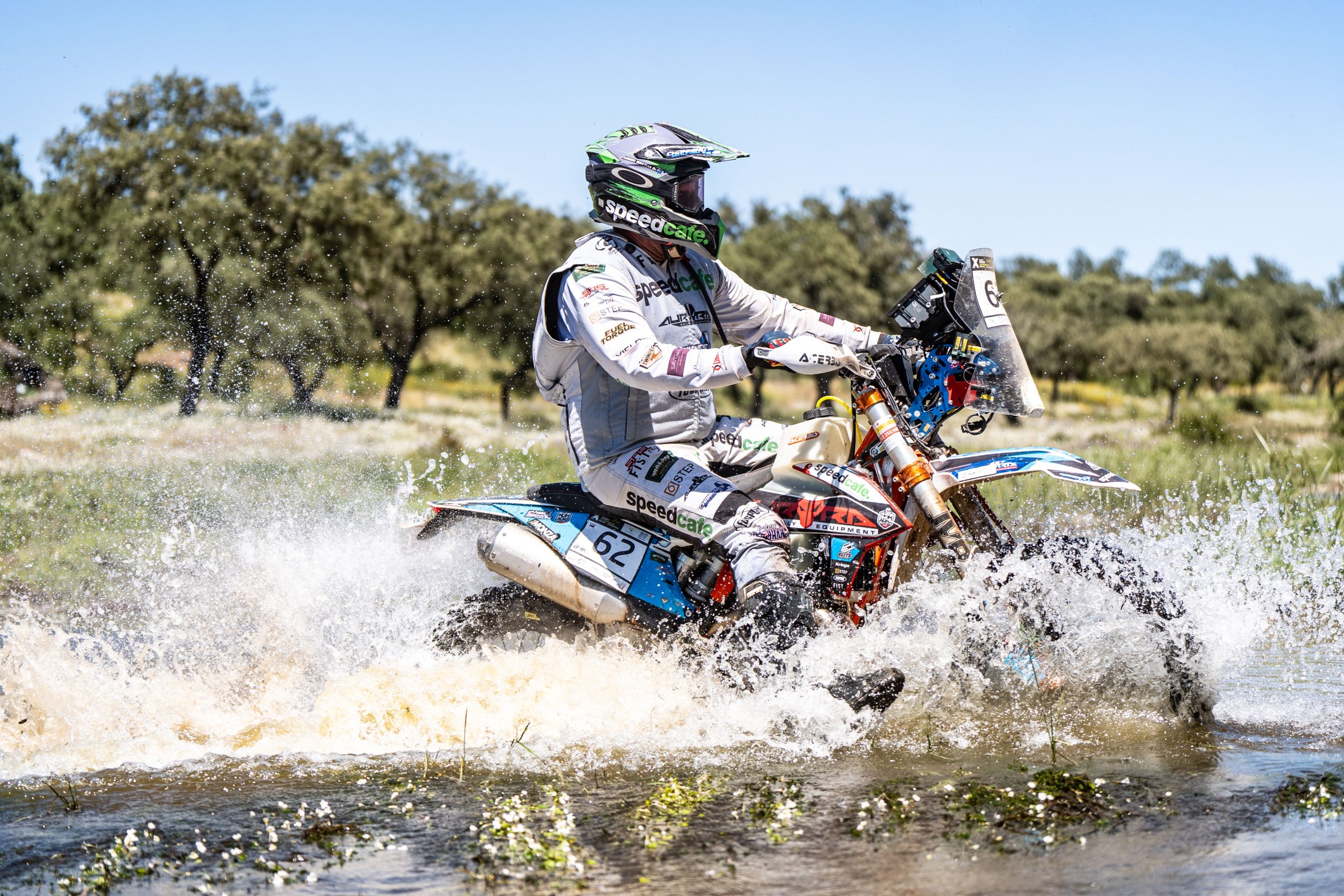
Rally bikes are 30 to 50 kg heavier than an enduro bike depending on fuel, and so you need to adapt your riding style to it. I was able to buy the bike I raced on during the 2023 Morocco Rally from the KTM BAS team after the event and ship it to Australia to train on, which was crucial. The chassis changed on the MY25 KTM 450RR I raced in Dakar, but they were close enough that it was a huge help.
So there you have it. In a nutshell: 8 years of riding, the Sunraysia Safari, Condo 750; some classic desert racing before that, then two solid years of training along with two international rallies — Oct ’23 Rally Du Maroc, Jun ’24 Argentina Desafio Ruta — in the lead-up. Easy as pie.
2026 Dakar Rally Predictions
Daniel Sanders – KTM
Daniel Sanders enters the 2026 Dakar Rally as the rider to beat. As the reigning champion, his speed, consistency and proven ability to manage the dunes place him as the benchmark heading into the event. We expect him to lead from the mid-point of the rally.
Adrien Van Beveren – Honda
Adrien Van Beveren remains Honda’s strongest prospect for the 2026 edition. His previous performances suggests he will remain in contention for podium positions and capable of capitalising on any errors from Sanders.
Ross Branch – Hero MotoSports
Ross Branch continues to be a front-running competitor for Hero MotoSports. His pace in sandy terrain and ability to secure stage victories position him as a likely podium challenger. While not the outright favourite for the win, Branch has shown the consistency required to remain inside the top three.
Other Contenders
Luciano Benavides, Edgar Canet and Bradley Cox will be up there and additional threats include Ricky Brabec and Skyler Howes of Honda.
Our prediction
- Daniel Sanders – KTM
2. Adrien Van Beveren – Honda
3. Ross Branch – Hero
//sidebar//
2026 Dakar Rally Route Overview
Competitors will face an 8,000 km loop beginning and ending in Yanbu, including 4,900 km of timed special stages at the 48th edition of the Dakar Rally, scheduled for 3–17 January 2026.
The rally begins on the Red Sea coastline in Yanbu and concludes at the same location two weeks later.
A revised marathon format will be introduced early in the rally. During Stages 4 and 5, competitors will overnight in a refuge-style bivouac with no support from assistance crews. Riders and drivers may only receive help from fellow entrants.
Stage 6 is the longest stage of the 2026 event at 925 km, including 336 km of special.. This stage leads directly into the rest day in Riyadh.
Racing resumes from Riyadh toward Wadi Ad-Dawasir on Stage 7, returning to terrain last used in 2022. A second marathon stage will take place in the second week.
More than 1,700 km of competitive distance remain in the latter half of the rally, including 762 km of timed specials. Navigational difficulty increases in the final stages, particularly on Stage 11 between Bisha and Al Henakiyah, which is expected to be a key point for position changes. The rally concludes back in Yanu.