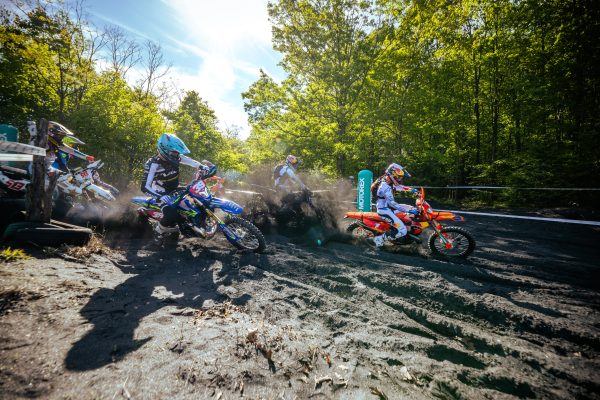
In a sport obsessed with the grunt and agility of 300 cc two-stroke machines, it seems almost paradoxical that the riders most closely associated with those bikes often find themselves paid the least. Across hard enduro and extreme events, it’s the light, flickable 300-smokers that dominate podiums yet the financial rewards and sponsorship dollars for these athletes rarely match their on-track achievements.
The contrast is stark: at grassroots level, the 300cc two-stroke is the most popular capacity sold for almost all manufacturers who sell one. In the upper echelons of hard enduro, a top-10 in a brutal event like Erzberg makes a rider world-class by any objective metric, but the economics of the sport don’t always reward those performances with the same intensity. Many of the most media-visible racers carry the burden of self-funding, travel costs and minimal sponsorship support while promoting bikes that are fan favourites.
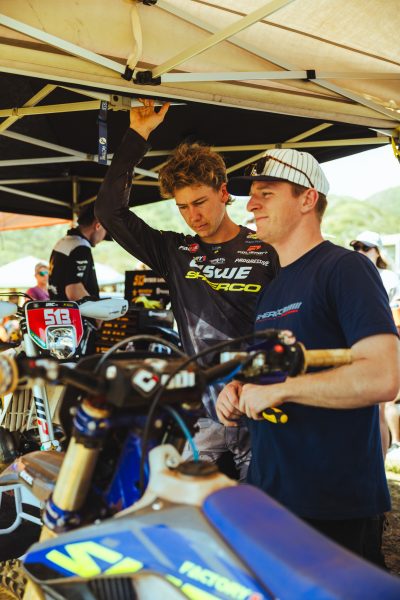
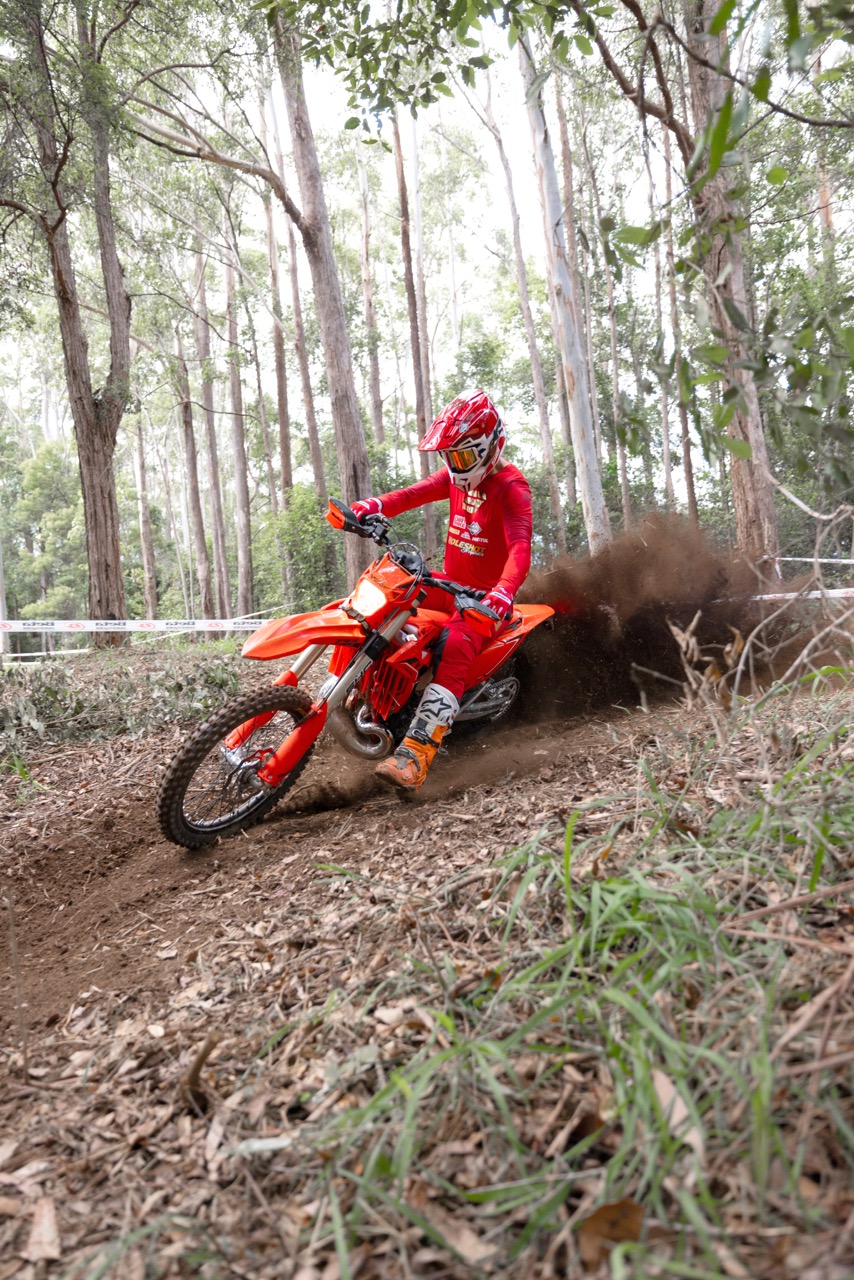
Will Riordon’s story crystallises that reality. Fresh off an extraordinary international campaign that included a stunning top-10 at the Erzberg Rodeo and a title at Wildwood Rock Extreme Enduro, the Sherco-backed young gun carried Australia’s flag deep into the US Hard Enduro Premier Championship and earned genuine global respect for his race craft and grit. And yet, at just 23 years old, arguably at the peak of his physical ability and professional competitiveness, he’s chosen to walk away from professional racing and return home to Australia to work in agriculture.
Riordon’s retirement underscores a broader truth: hard enduro remains a passion-driven discipline more than a lucrative career path. The bikes might be exciting, and the races might draw global audiences, but unless you secure factory backing or rare commercial deals, the financial return seldom matches the risk and reward. Two-stroke machines may be the most popular models on the floor and the ones riders love to promote, but the athletes who make them look effortless are often left doing the hardest work for the lightest pay.
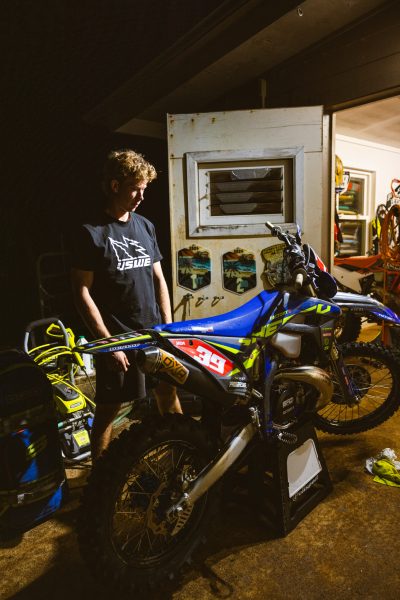
Where it all began
Will Riordon’s story isn’t the fairytale version of racing that gets sold to kids on YouTube. He didn’t pack his life into a gear bag and chase the US dream because he was chasing fame. He went because his family moved, and because the timing accidentally lined up with where hard enduro was heading. “Originally, it was for Dad’s work. Okay. He’s an olive farmer and we went as a family there for five years or so,” Will said. When his parents floated the move, his response was immediate: “I was like, hell yeah, let’s go tomorrow.” And for his hard enduro trajectory, that shift mattered. “Especially for me with Hard Enduro, at that time, there was nothing here in Australia.”
That’s the bit people forget when they see an Australian name climbing the US results sheets, the “overnight success” usually starts with years of being a kid on whatever bike you’ve got, riding bush tracks because you love it. Will’s hard enduro interest wasn’t manufactured; it was baked in early. “I’d always done mostly motocross and then I went to off-road when I was 12, but I’d always loved riding in the bush,” he said, painting the picture of the kind of riding that quietly builds hard enduro DNA: “my brother and I… we’d be on like 85s… Dad would like go out and drop fuel cans… we’d ride with the older guys all the time. So I’ve always loved Hard Enduro… even we’d be at a motocross track and on the way back to the car park… a log or something, I’d hit it. Like I’ve always liked it.”
When the family landed in the US, he and brother Gus raced everything they could, then Will leaned all the way into hard enduro. “when I was 16, I just went to Hard Enduro and done that ever since”. He wasn’t pretending it was some spiritual calling either, he was honest about the push-and-pull of sibling rivalry and personal preference. “I got sick of the West Coast stuff… He’s just doing laps. Like I love Hard Enduro and going out, exploring, climbing mountains and it’s a lot of fun to me.”
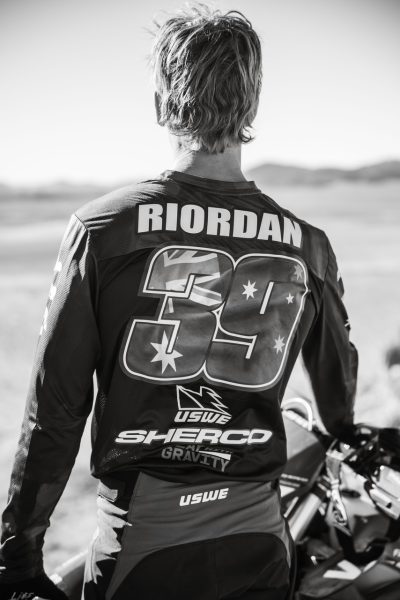
Will said the US scene was welcoming: “Americans are great. They’re really polite and considerate… Australians… we’ve got a pretty good reputation.” The opportunity structure helped too, especially the way the US throws teenagers into the deep end. “you got to be 16 to go pro over there… So then when you’re young and get an good result, like people are like, oh, who’s this kid, you know?” That pathway turned into a support deal that actually looked like something you could build on: “bikes were cheap… you could sell them after and make money… all the gear, oils, pretty much everything was covered, and the travel”
Eventually, Will picked up more sponsors and the pressure grew as people investing in him expected him to perform. “it’s more pressure, but at the same time, it’s pressure off you because you turn up to the race and everything’s ready to go. All you got to do is ride, pretty much. Everything that you do during the day is for racing… There’s no distractions.”
And the results started to match the setup: milestone wins, big-name scalps, and world-level credibility. “I still got him and that was that was pretty big,” he said about beating Cody Webb. Then came Erzberg, the sport’s sharpest measuring stick, and a leap that made Australians sit up. Will’s first time there was a reality check. “I got second in the prologue, which was cool, but then the main race, not good… It’s just so big and different. It was like a learning year.” The second time he returned, it clicked. “experience, fitness, skills, knowing what to expect… just developing as a rider, I’d say.” Ninth at Erzberg isn’t just “good for an Aussie”; it’s world-class.
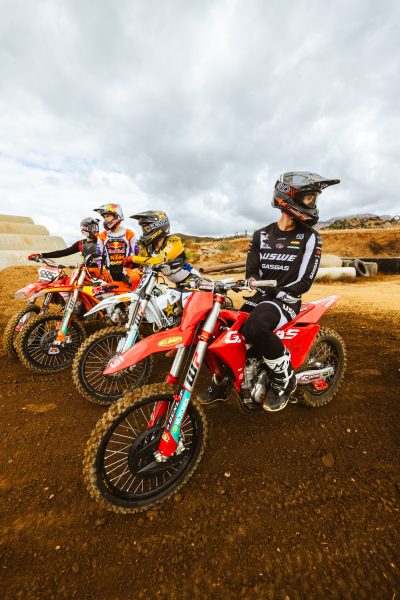
What went wrong?
And then, right when the narrative should keep rising, the bombshell. Not injury. Not loss of form. Not burnout in the usual sense. A cold assessment of the sport’s economics and the instability of relying on teams that can vanish overnight. Will said it plainly: “the industry right now is not good. There’s not much money getting around…” The “why” wasn’t a tantrum or a sulk, it was someone doing the maths on their own future. And then the brutal run of timing that would rattle anyone’s confidence: “in 2024, I was on GASGAS and then they shut down that operation and then I went Sherco, then they went broke. Like, the industry’s just struggling but it’ll get better…” He made it clear he wasn’t trying to torch the sport on the way out. “I don’t want to kind of talk bad on the sport. Like, I don’t want to paint or put it in a bad light or anything.”
But he also wasn’t romanticising the sacrifice. “for me… I only want edto do it for three to five more years… there’s not that much money to be made. So then after that I’d only be racing because I love it and want to have fun…” And the bigger truth underneath it: “I’ve never wanted to live in the States fulltime or like my whole life either… I love Australia and I want to get into agriculture after and, you know, be normal.” That’s the part that hits hardest, because at 23, when you’re still physically primed and mentally sharp, the sport is supposed to be opening doors, not forcing you to choose between chasing a dream and building a stable adult life.
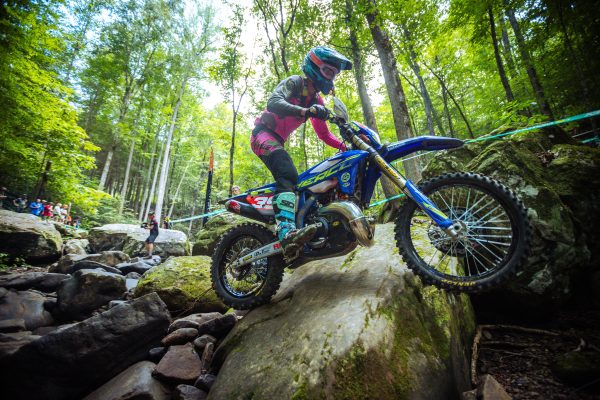
The clincher is that Will’s decision isn’t coming from the back of the pack, it’s coming from someone who proved he can run with the best, and still got shaken by the financial reality. “even this year, I had to borrow money because the team went broke, wouldn’t pay me… Liam… quit his job last year, moved over to the States. And like we gave it everything we had…” That’s the stuff fans don’t see: the IOUs behind the podium photos, the risk you ask of the people around you, the pressure that sits on your shoulders even when you’re riding well.
And the most telling line of all, the one that sums up “the realities of racing” in a sentence: “we’re able to get second in the championship, which was sick… but I I think it’s just time and yeah, I just want different things later on.” Second in a major series should be leverage. In hard enduro, it can still be a coin flip, depending on whether your team survives the off-season.
What’s next
That’s why his retirement matters, beyond the headline. It’s not just “a top rider quits.” It’s proof that hard enduro can be booming on the outside while feeling fragile on the inside. Will even said it: “The series is unreal. Never been better…” and in the same breath explained the contradiction: “it’s just that the manufacturers are pulling back… so there’s no opportunity… which is weird because the sport’s never been better, but there’s just no opportunity.” That’s the gap riders fall into, a sport that’s growing in popularity, but tightening financially at the exact point where athletes need stability to keep committing. And for a 23-year-old who loves Australia and doesn’t want to be “on the back foot” later, stepping away isn’t weakness, it’s a hard but necessary decision for him right now.
And if you’re wondering whether he’ll stay retired forever… good luck. Hard enduro doesn’t really leave your system. He’ll be back somewhere, a Wildwood, a Hattah, a random weekend where the itch returns, because riders like Will don’t stop riding. They just stop pretending the dream pays the bills.