Electric bikes have been knocking on the door for a while now, but up until recently, they’ve mostly been for kids or full-blown race weapons. We’ve had everything from balance bikes for Jax and Bonnie right through to the absolute madness of the Stark Varg. But here’s the thing: most riders don’t need a race bike. They need something they can actually live with.
That’s where the RFN Ares Rally Endurance comes in. This isn’t trying to win a national enduro title. It’s trying to do everything else. Ride trails, run around the farm, duck into town, and do it all without needing fuel, constant servicing, or a Yank Tank just to move it. It’s a very different approach to the electric conversation and, honestly, probably a more relevant one for most riders.
And right now, with fuel prices bouncing around again thanks to global instability, the timing couldn’t be better. Filling up bikes, utes and everything else adds up quickly, so the idea of something you can just plug in at night and ride all day (well, almost) starts to look appetising.
So we tested the RFN the way it’s meant to be used, across three very different scenarios: trail riding, farm work and commuting. Because if this bike is going to make sense, it needs to work across all three.
TRAIL RIDING
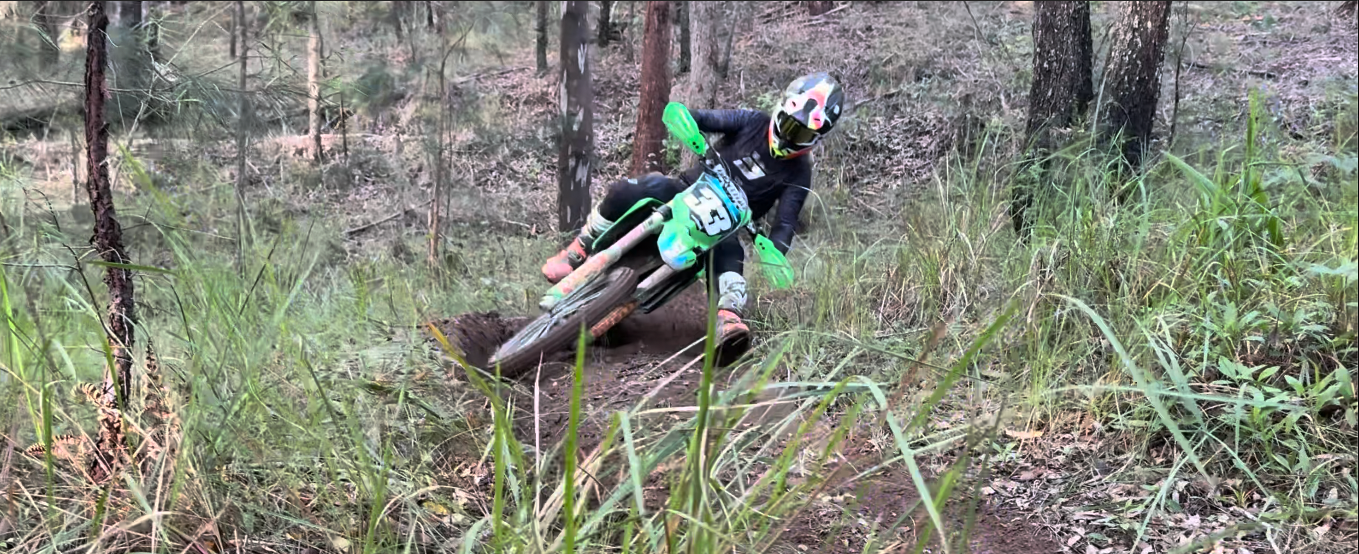
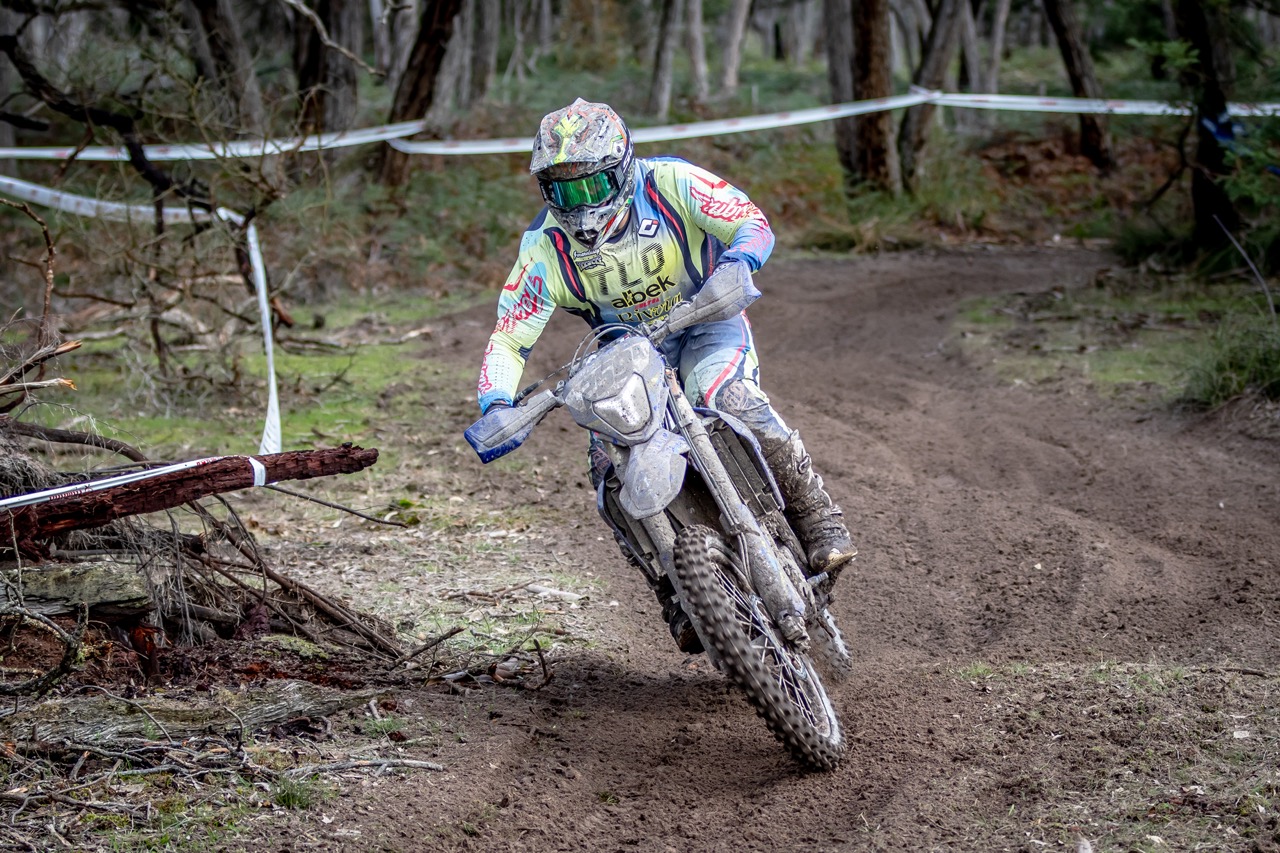
Let’s get this out of the way early — this is not a full-blown enduro bike. If you line up next to your mate on a 350 EXC-F and try to keep him honest through singletrack, you’re going to run out of bike pretty quickly. But that’s not what it’s built for.
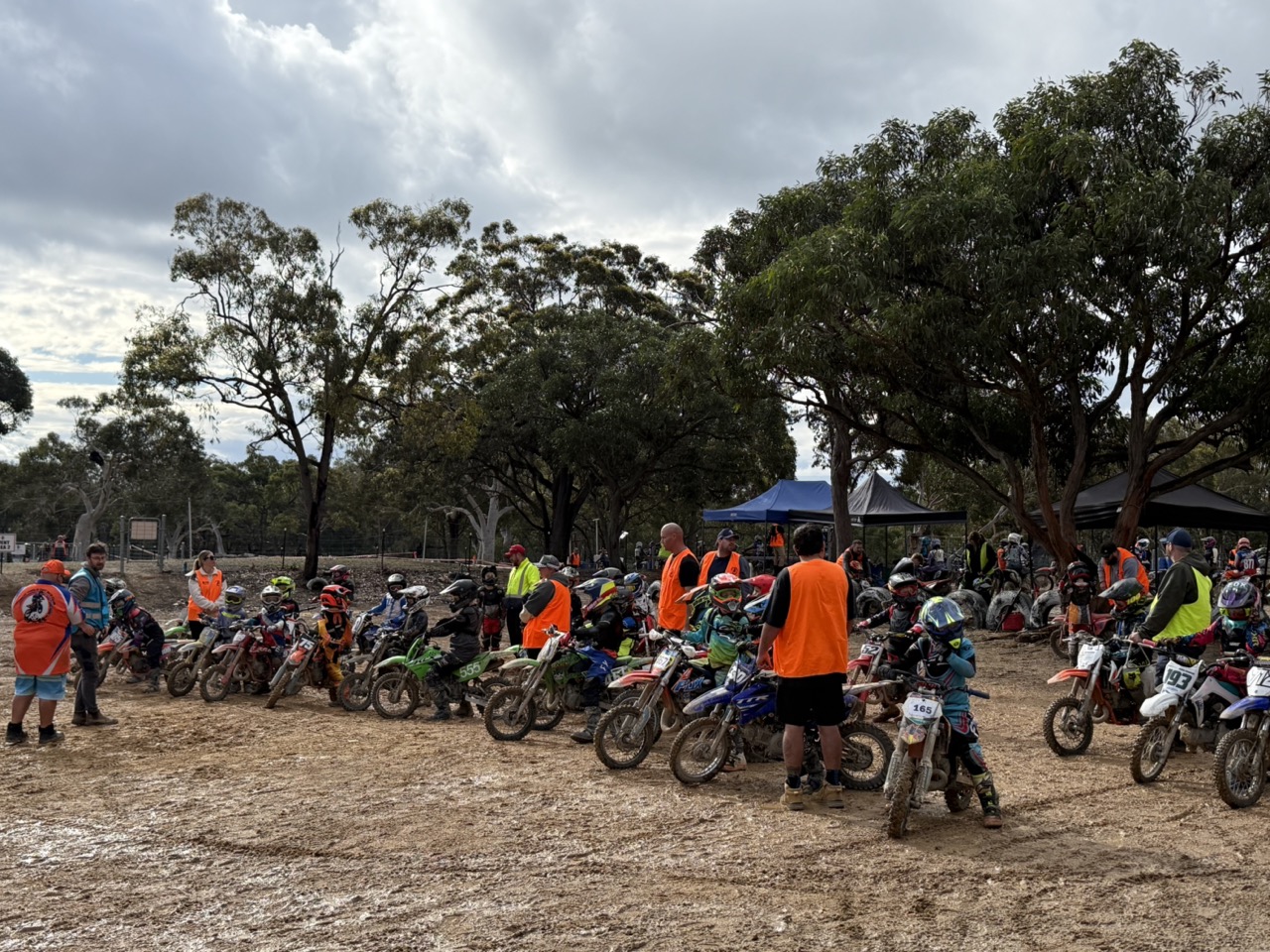
Where the RFN works is in mellow trail riding, especially riding with kids or less experienced riders. Think following your 5-10-year-old around on his bike, cruising fire trails or poking through bush tracks rather than charging flat out.
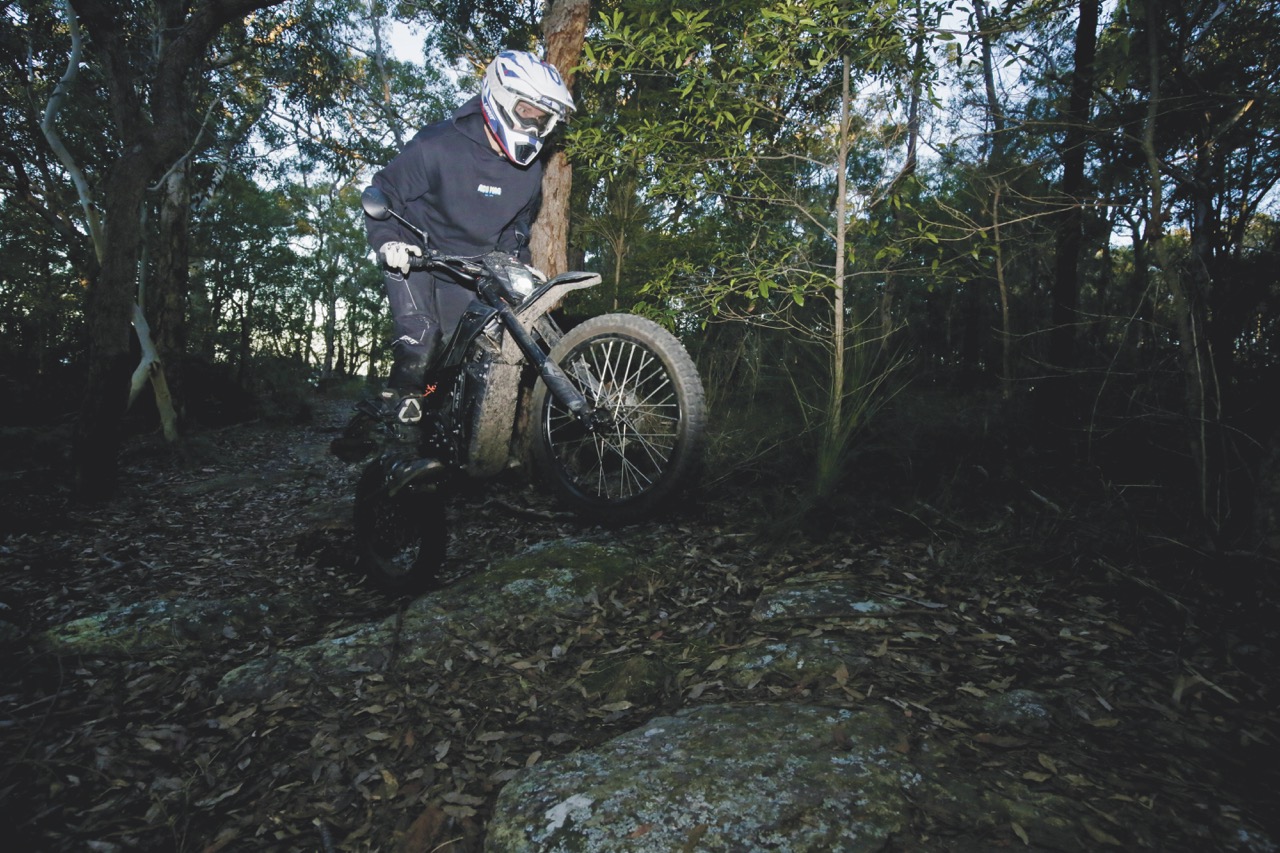
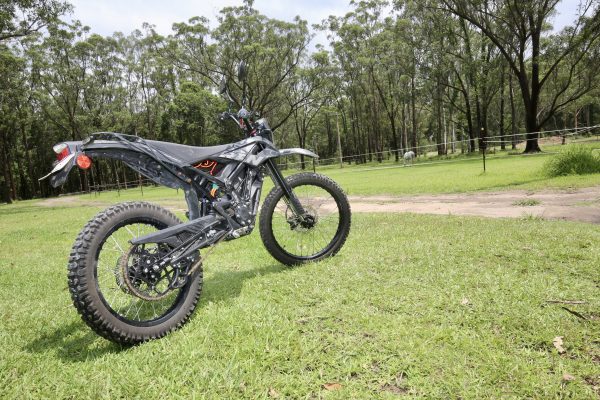
The biggest thing you notice straight away is how thin and light the bike is. There are no radiators hanging out the sides and no bulky plastics, so it feels incredibly narrow between your legs. Jump off it and back onto a petrol bike and everything suddenly feels oversized. That narrowness, combined with the 68kg weight, makes it incredibly easy to ride. You can throw it around, pick it up, drag it out of ruts and generally manhandle it in a way you just can’t with a full-size dirt bike.
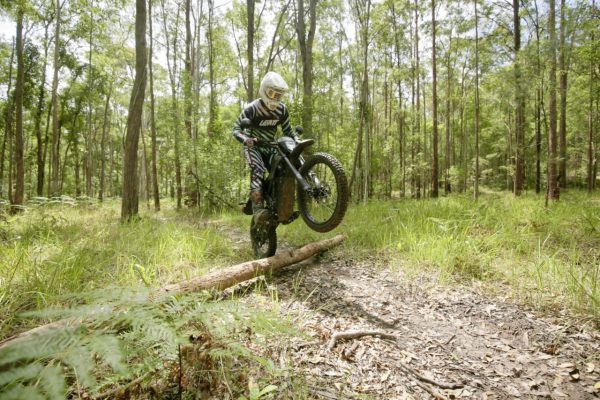
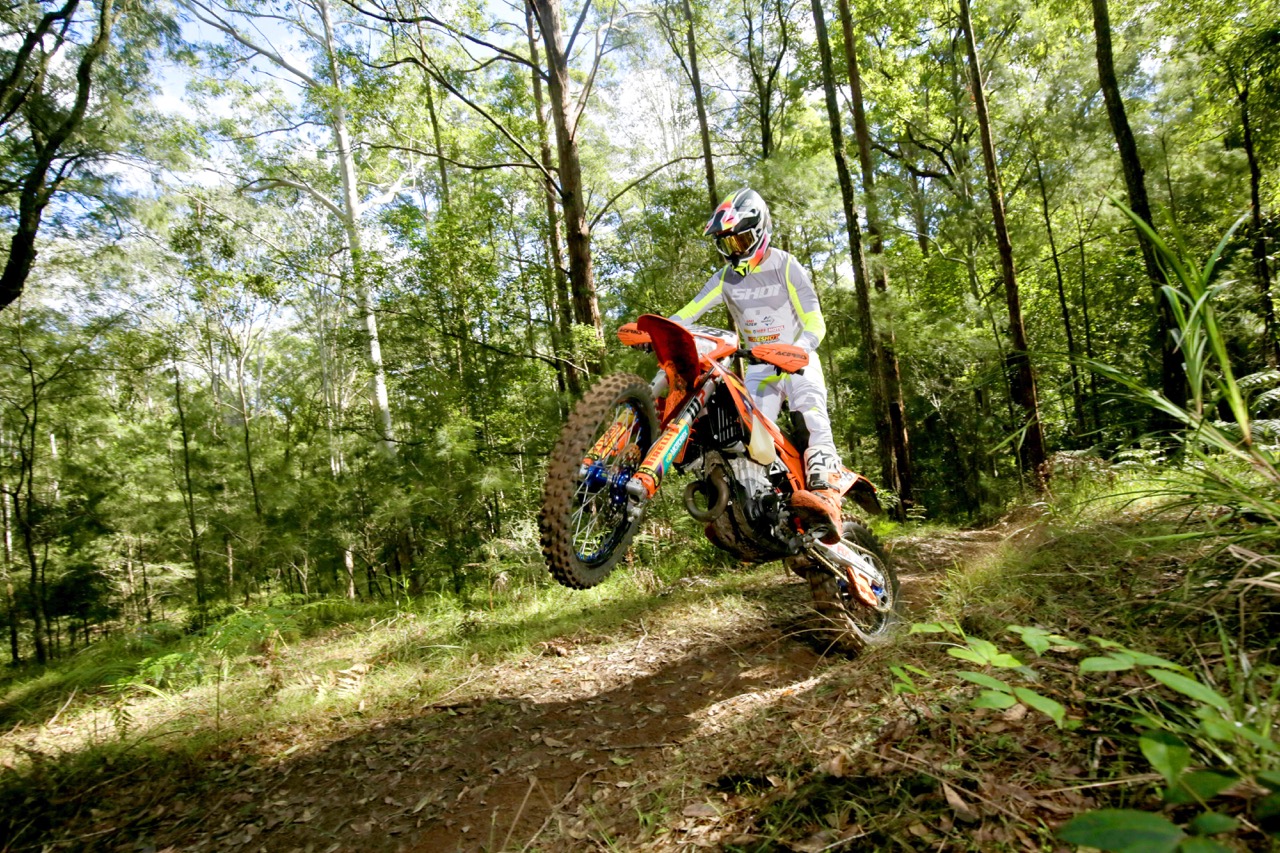
The motor delivers that typical electric punch. Crack the throttle and it’ll happily try to loop out, and because there’s no clutch to save you, it catches people out early. Once you adjust, though, it becomes a lot of fun. You can pop the front wheel up at will and creep through technical sections using the rear brake almost like a clutch.
Where it starts to fall short is at the top end. It signs off hard at around 76km/h and that’s it. There’s no rolling on or building speed downhill like a combustion bike, it just stops pulling altogether.
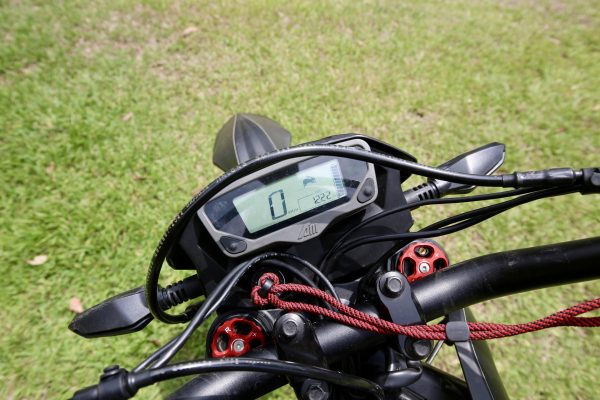
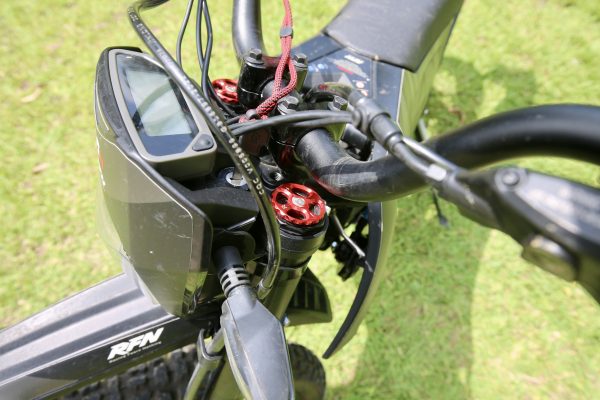
The suspension is better than expected. It’s soft out of the box, but the adjustment actually works. Wind it up for trail riding and it firms up enough to feel controlled, then wind it off and it becomes plush again for slower riding. The bigger limitation is the rear end, where the hub and swingarm feel light-duty. It’s fine for trail cruising, but if you start riding aggressively and smashing into things, it feels like you’re asking a bit much of it.
Overall, as a trail bike, it works best when you ride within its limits. It’s perfect for slower rides, riding with the kids or cruising with less experienced riders, but it’s not designed to be pushed like a proper enduro machine.
FARM BIKE
This is where the RFN really starts to make sense. On the farm, a lot of the concerns you have on the trail simply disappear. The first thing you notice is the silence. It’s strange at first, and the cattle definitely notice it. They tend to look at you a bit sideways because there’s no engine noise, but once they get used to it, it actually becomes an advantage. You’re not spooking everything from a distance, and it makes the whole experience a bit calmer.
The lack of noise also makes it a nicer machine to spend time on. There’s no vibration, no heat coming off the engine and no constant droning, which adds up over a full day of riding.
From a practical point of view, it ticks a lot of boxes. There’s no fuel to worry about, no kickstarting if you stall it somewhere awkward, no hot exhaust to burn yourself on and no radiator hanging out the side waiting to get smashed. You just turn it on and go, which is a big deal when you’re jumping on and off all day to open gates or move stock. You can even lay it on its side!
The lightweight chassis is a huge advantage too. If you drop it or get stuck in a tricky spot, you can just pick it up and move it without much effort. Compared to heavier bikes or quads, that’s a big win.
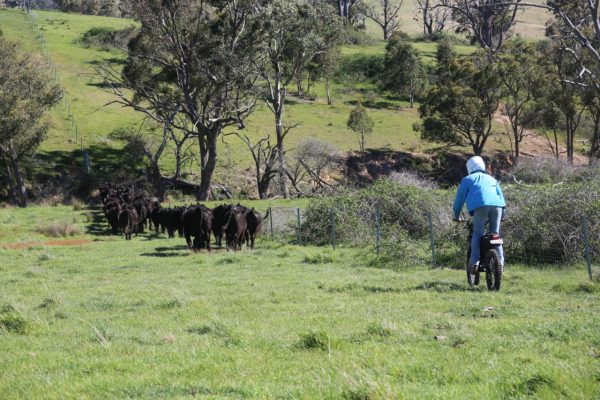
The suspension also comes into its own in this setting. You can soften it right off and it becomes comfortable for low-speed work, which is exactly what you want when you’re just cruising around paddocks or following cattle.
Range works better on the farm as well because you’re not riding it flat out. You’re using short bursts of throttle and a lot of low-speed riding, which helps the battery last longer. Charging it overnight becomes part of the routine, just like plugging in tools or other gear.
The only real downside is how narrow the bike is when it comes to carrying things. Getting a dog on the back isn’t as easy as it is on a quad or a wider ag bike, but it’s manageable once you get used to it.
As a farm bike, it’s genuinely impressive. It’s simple, efficient and easy to live with, and it feels like one of the most natural applications for an electric dirt bike.
ROAD / COMMUTER
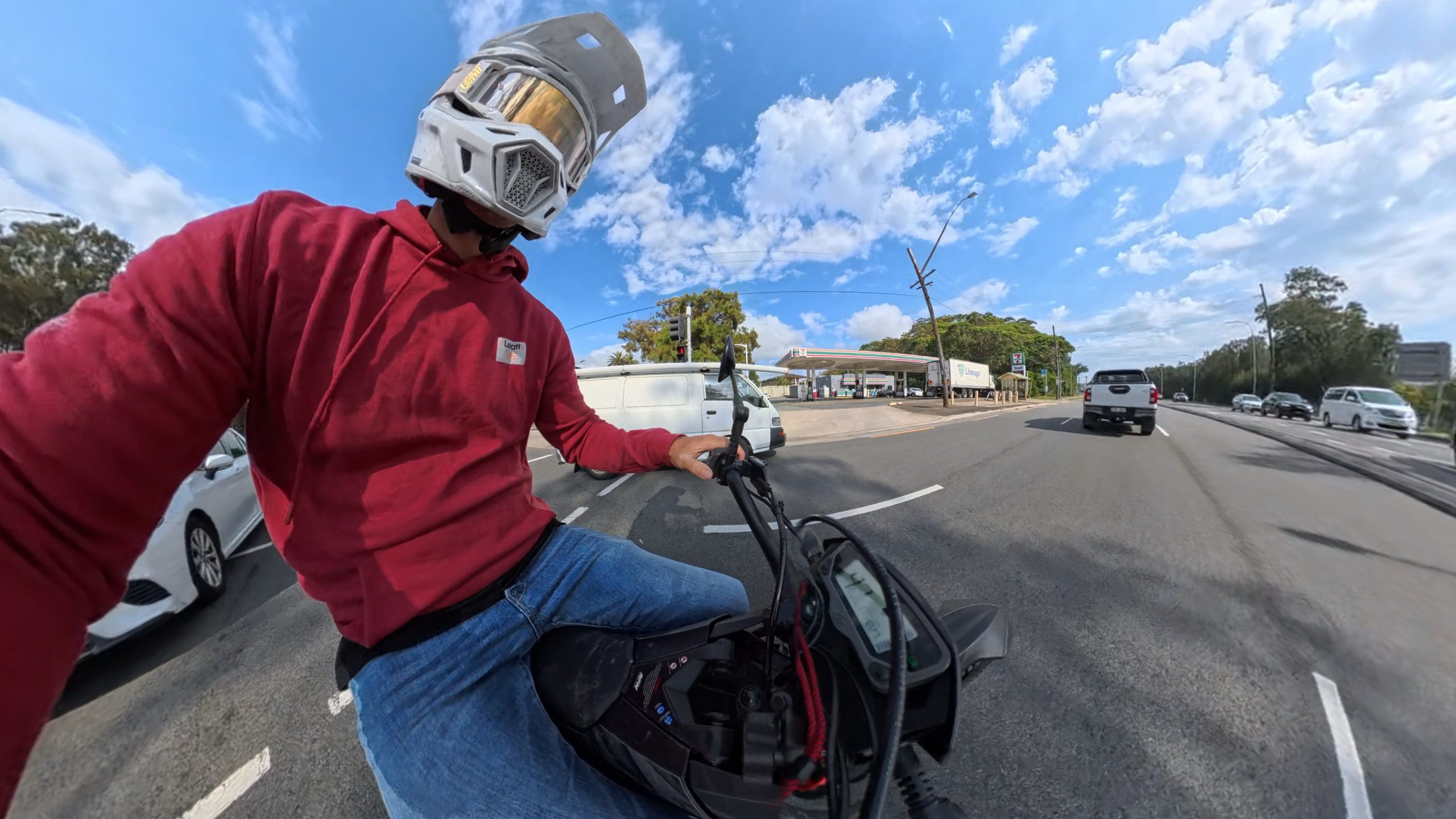
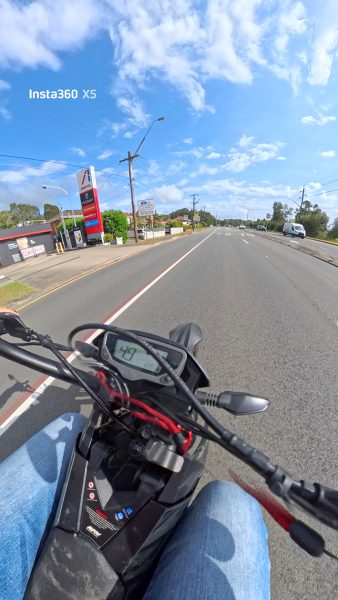
The commuting side of this bike is probably the biggest surprise. Because it’s fully road registrable, it opens up a whole new use case. Around town, it actually works really well. The bike is incredibly narrow, which makes filtering through traffic easy, and the instant torque means you can get off the line quickly at traffic lights. The upright riding position gives you good visibility.
However, the limitations show up pretty quickly once you get out of that environment. The top speed of around 76km/h means anything posted at 80km/h or above starts to feel uncomfortable. You’re sitting flat out while traffic is still accelerating, and on such a small, light bike, that can feel a bit exposed.
Range is another factor. In real-world commuting, we managed around 70 to 80 kilometres before the bike dropped into its low-power mode. That’s fine for shorter commutes and running around town, but it does mean you need to be mindful of your distance and make sure you’re charging it regularly.
The brakes are also more noticeable on the road. They do the job, but they require more effort and planning than you’d expect, especially in traffic or wet conditions. They just aren’t as strong as we are used to on dirtbikes.
For short-distance commuting, though, it works really well.
It’s best suit?
The RFN Ares Endurance isn’t trying to replace your enduro bike, and it shouldn’t be judged like one. It’s trying to be something far more practical which is a bike you can actually use every day.
It works on the farm, it works for easy trail riding and it works for short commutes. That’s a pretty unique combination, and it fills a gap that hasn’t really been addressed properly until now.
At around $7000 ride-away with registration, it also represents solid value. You’re getting a lightweight, low-maintenance machine that doesn’t need fuel and is cheap to run.
It’s not perfect. The brakes could be stronger, the top speed is limited and it’s not built for fast trailriding. But if you understand what it’s designed for, those compromises make sense.
More than anything, this bike feels like a glimpse of where electric dirt bikes are heading next. Not just race bikes and not just kids’ toys, but practical, everyday machines that actually fit into real life. And for a lot of riders, especially those with land, kids or a short commute, that might be exactly what they’ve been waiting for.
RFN ARES Endurance
POWERTRAIN & PERFORMANCE
Motor: Air-cooled Permanent Magnet Synchronous Motor
Max Motor Torque: 58 N·m
Drive System: Direct drive, 420 chain with DXS
Sprocket: 13–58T (Optional 11–58T)
Top Speed: 80 km/h (claimed)
Range: Up to 100 km (claimed at 40 km/h cruising)
BATTERY & CHARGING
Battery: 74V / 3,182Wh / 43Ah premium lithium cells
Battery Type: Removable (charge in-bike or externally)
Charging Time: 2–3 hours (fast charging capable)
CHASSIS & SUSPENSION
Frame: 6082 aluminium (extruded, forged, CNC machined) with steel components
Front: USD fork, 200 mm travel, fully adjustable
Rear: Mono-shock, 74 mm travel, adjustable
BRAKES
Front: 4-piston hydraulic disc, 210 mm
Rear: 4-piston hydraulic disc, 210 mm
Additional: EABS regenerative braking system
WHEELS & TYRES
Hubs: Forged and CNC aluminium RFN hubs, 20 mm axle
Tyres Front: CST CM721 70/100-19 (off-road)
Tyres Rear: CST CM722 90/100-18 (off-road)
DIMENSIONS
Seat Height: 860 mm
Wheelbase: 1,330 mm
Ground Clearance: 340 mm
WEIGHT & CAPACITY
Total Weight: 68 kg
Max Load Capacity: 120 kg
RRP: $6990
Browser: rfnbike.com.au
Warranty: 1 year
The DNA
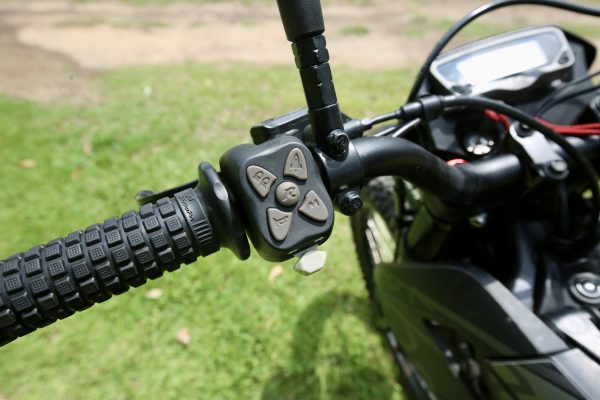
The RFN Ares Rally MX is built around a 74V removable battery system (3,182Wh / 43Ah) powering an air-cooled permanent magnet motor that produces 5kW of rated power and up to 12kW peak. That translates to a claimed top speed of 80km/h and a range of up to 100km when cruising, although like most electrics, real-world range depends heavily on how hard you’re riding. Charging takes around 2–3 hours with fast charge capability, and the bike features four ride modes, including a low-speed Tortoise mode for maximum range, a trail-focused Rabbit mode, a full-power Rocket mode for short bursts, and even a reverse mode for tight situations.
The chassis is lightweight using a mix of 6082 aluminium and steel to keep the total weight down to just 68kg. It runs a fully adjustable USD fork with 200mm of travel and a rear monoshock, along with proper motorcycle-sized wheels (19-inch front and 18-inch rear) wrapped in off-road rubber. Braking is handled by 4-piston hydraulic discs front and rear, backed by regenerative braking, while the bike also features a removable seat that converts it into a trials-style setup. With 340mm of ground clearance, a low 860mm seat height, it’s smaller than a standard dirtbike.
RIDE MODES
Mode 1 (Tortoise): Limited to 25 km/h, up to 3.5 hours range
Mode 2 (Rabbit): Trail riding mode, approx. 1–2 hours riding time
Mode 3 (Rocket): Full power burst (approx. 60 seconds), up to 1 hour riding time
Mode 4 (Reverse): Limited to 9 km/h