Spend enough time around the Tatts Finke Desert Race and you’ll notice a pattern. Every year, somebody decides they’re finally going to have a crack. Maybe they’ve been talking about it for years, maybe they’ve just watched another Finke documentary on YouTube, or maybe they’ve stood trackside and watched the bikes disappear into the desert and thought, “Yeah, I reckon I could do that.”
Then reality kicks in. The entry fee is one thing, but accommodation, transport, fuel, tyres, spare parts and support crews all add up pretty quickly. Before long, most riders are staring at a spreadsheet that looks more like a home loan application than a race budget. Then comes the biggest expense of all — the bike itself.
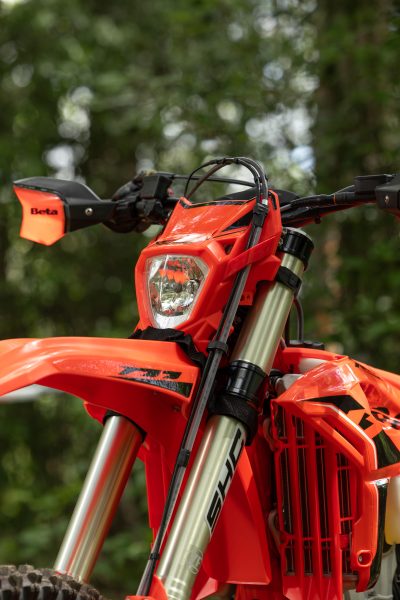
That’s exactly why the Beta RR 480 X-Pro caught our attention. While everyone naturally gravitates towards KTMs, Huskys and GASGAS models when the conversation turns to desert racing, Beta quietly offers one of the most affordable entries into the big-bore four-stroke market. More importantly, it does so without looking or feeling like a budget option.
THE BIG BIKE MYTH
Big-capacity four-strokes have always carried a bit of a reputation. Riders assume they’re heavy, cumbersome and best suited to wide-open spaces where they can stretch their legs. To be fair, some older big-bore four-strokes deserved that reputation, but modern bikes have come a long way.
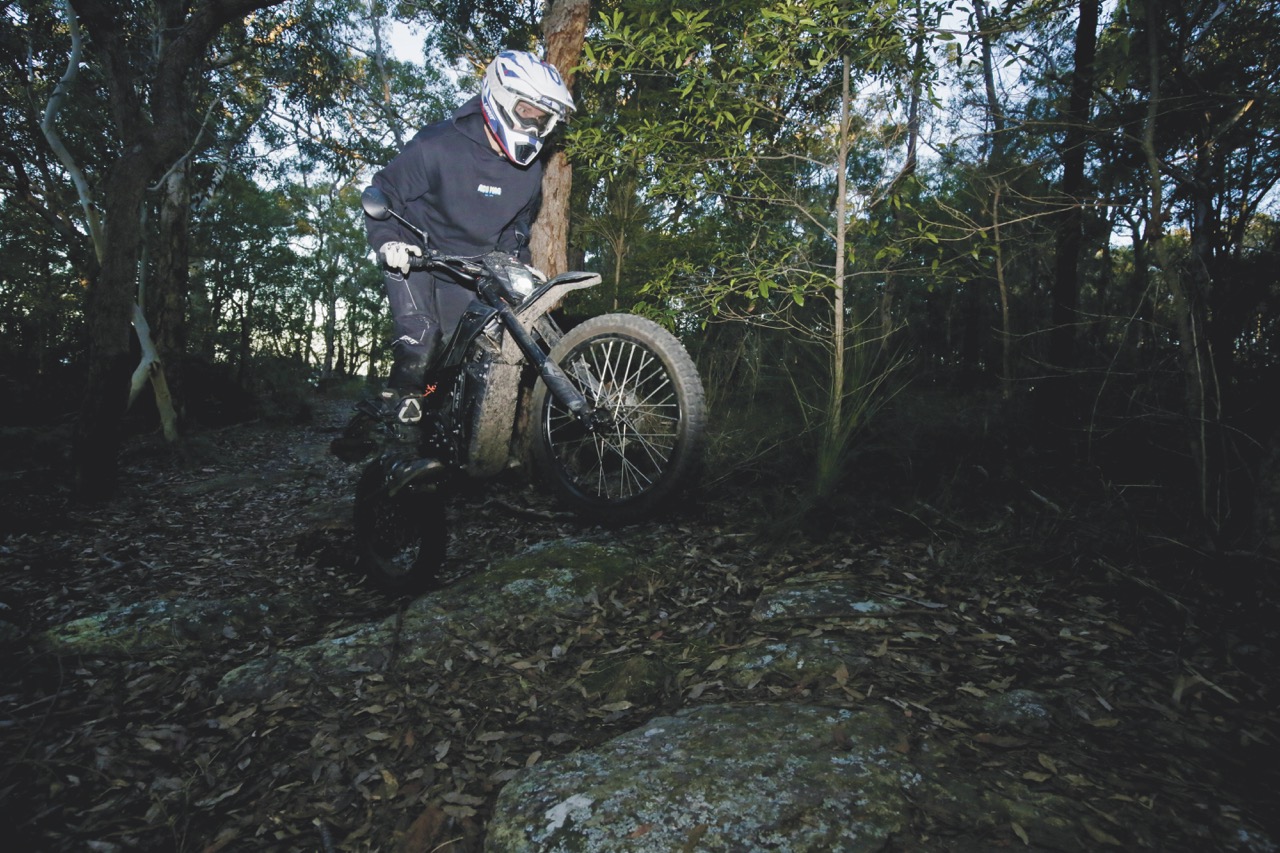
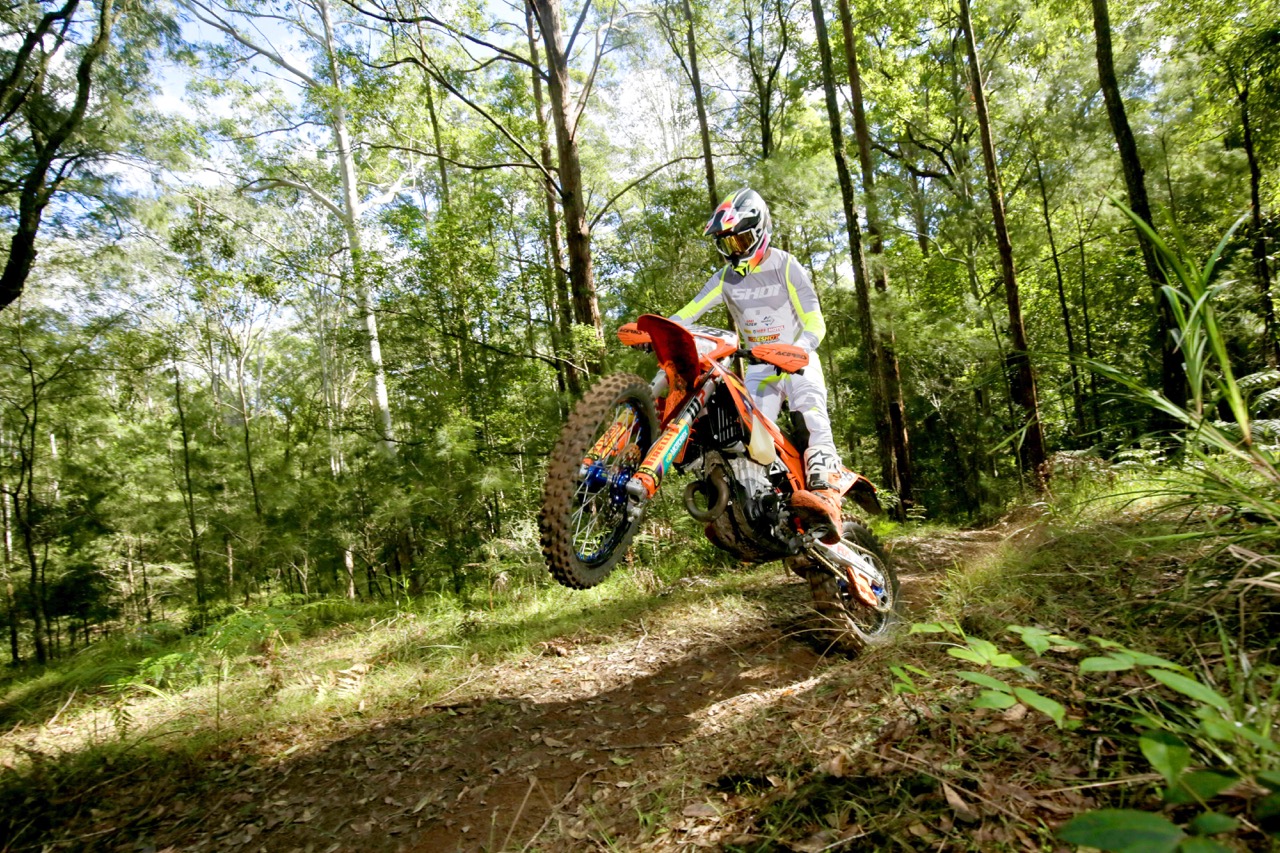
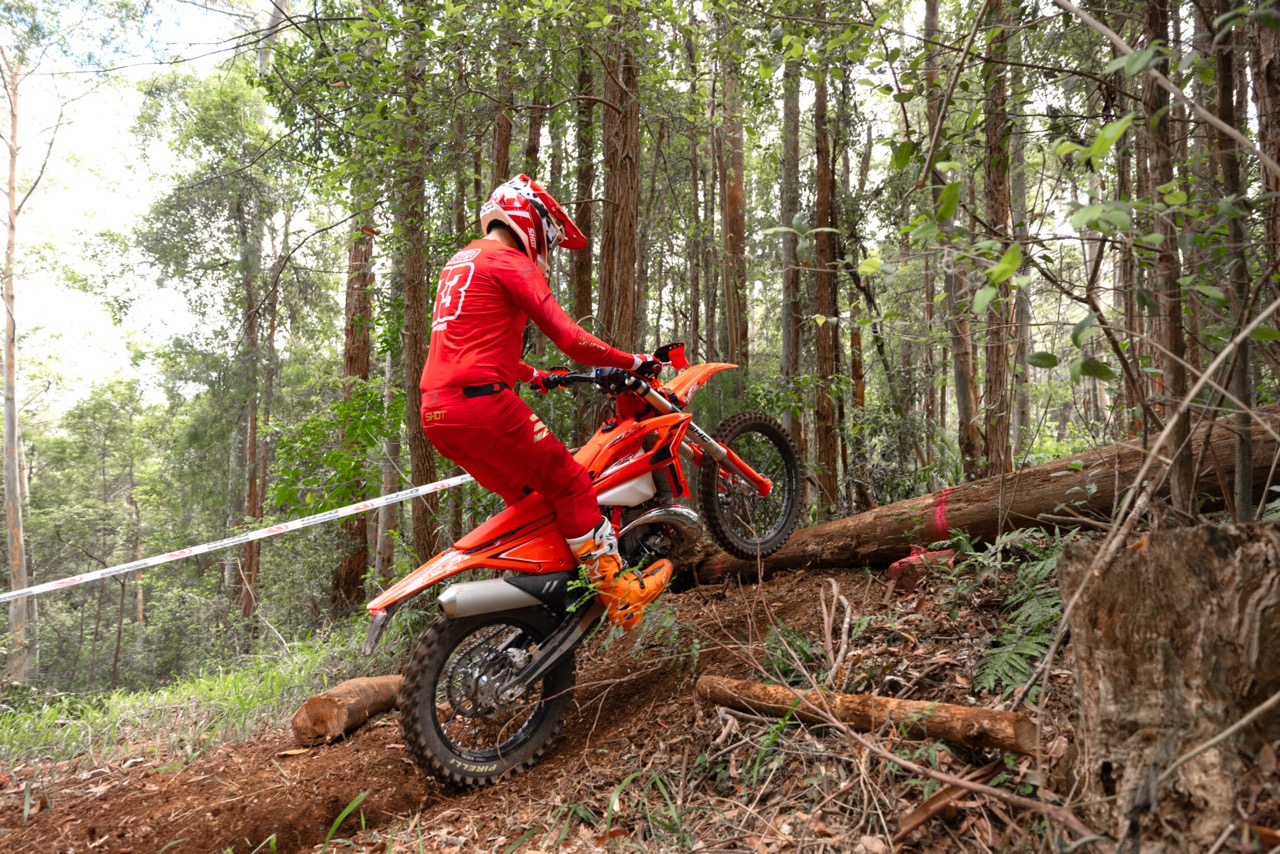
The cool thing about the Beta is that you could ride this bike to Apatula and back and also go trailriding the same day. To find out how far they’ve come, we spent most of our day riding terrain that should theoretically favour smaller motorcycles. Tight singletrack, technical sections and awkward little climbs made up the bulk of our test loop. We even tucked in behind riders on smaller-capacity bikes to see how the big Beta would cope.
The first thing we noticed was that it wasn’t nearly as intimidating as many riders would expect. Yes, it carries more inertia than a 350. Yes, you notice the additional rotating mass when changing direction. But it never felt like it was trying to fight the rider or run away underneath you.
Instead, it simply encouraged a different approach. Rather than attacking every corner and constantly chasing momentum, the 480 rewards patience. Let the bike settle, point it where you want to go and then use the engine’s enormous reserves of torque to drive out the other side.
TORQUE COVERS A LOT OF MISTAKES
If there’s one thing the RR 480 X-Pro has in abundance, it’s torque. In fact, torque is probably the defining characteristic of the motorcycle. There are plenty of powerful motorcycles on the market these days, but few deliver their performance with the same level of effortlessness as the Beta.
Throughout the day there were countless situations where a smaller-capacity bike would have required a downshift, some clutch work or a handful of aggression from the rider. The 480 simply shrugged its shoulders and kept moving forward. It never felt stressed and it never felt like it was working particularly hard.
The biggest advantage appeared on steep little climbs. You know the sort — those short, nasty pinches that appear immediately after a tight corner and require perfect timing on a smaller bike. On the Beta, they became almost laughably easy.
Instead of dropping gears and revving the thing, you simply left it in a taller gear and let the engine do the work. First gear is relatively long, second gear is incredibly usable and the motor just tractors its way up climbs. In some ways it almost reminded us of a big-bore two-stroke because of how easily it carried momentum uphill.
That’s one of the major advantages of a bike like this. When you’re tired, lazy or simply not riding your best, the engine does a lot of the heavy lifting. It allows riders to get away with mistakes that smaller-capacity bikes might punish.
BETTER IN THE BUSH THAN EXPECTED
Were we faster in the singletrack than we would have been on a 350? Probably not. What surprised us, however, was just how competent it remained. Tight hairpins weren’t an issue. Slow-speed manoeuvres weren’t an issue. Even the really awkward technical sections could be negotiated with a little clutch control and some rider patience.
The bike never felt like it wanted to charge through every corner at 30km/h. It was perfectly happy crawling around tight turns and dabbing an inside foot where necessary. You just need to ride it slightly differently to a smaller-capacity motorcycle.
LET IT OFF THE LEASH
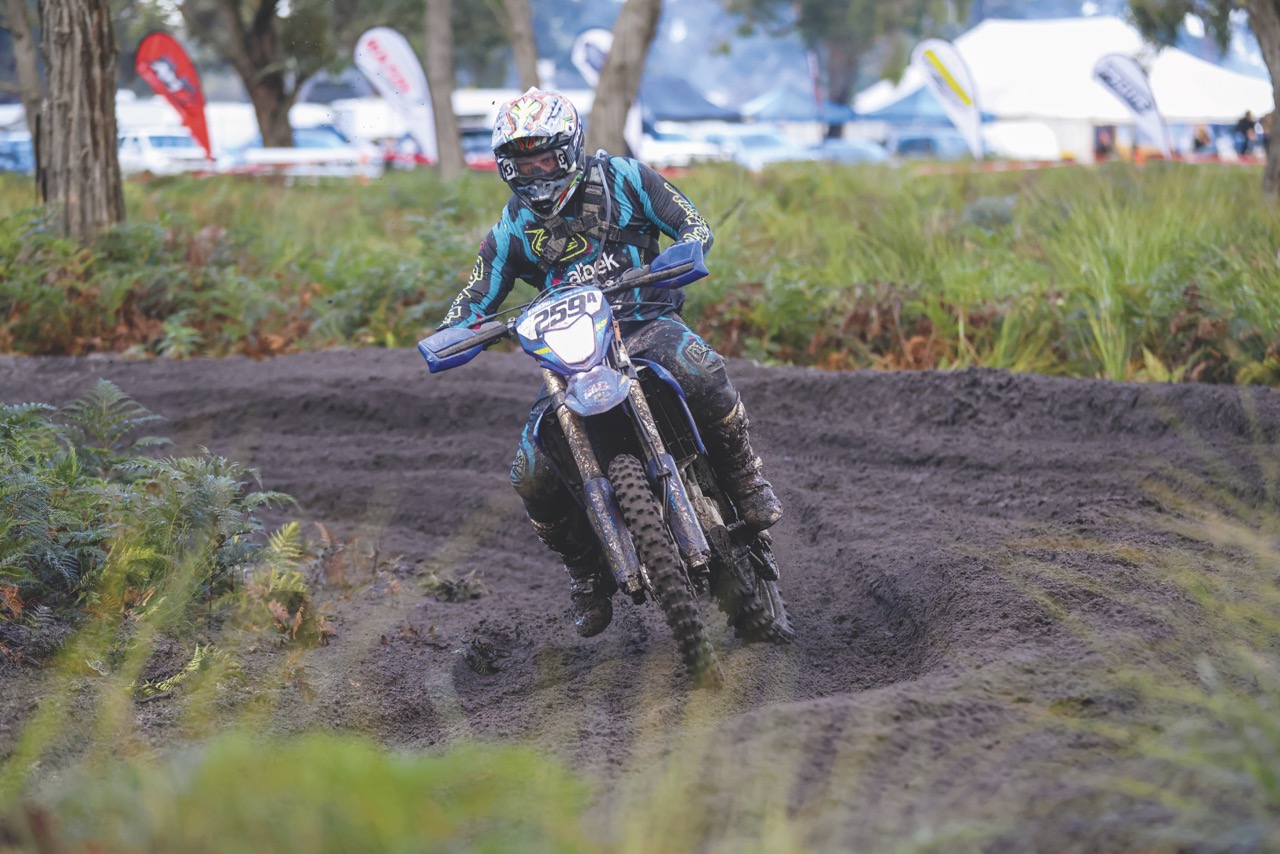
As good as the bike was in the tight stuff, there was never any doubt where it truly belonged. The moment the trail opened up and we found ourselves on grass tracks, everything suddenly made sense. This is where motorcycles like the RR 480 X-Pro earn their reputationa nd would be a worthy steed at Finke.
Coming out of corners, the thing is an absolute weapon. It doesn’t matter whether you’re in third gear, fourth gear or occasionally even the wrong gear altogether. Feed the clutch out and within a matter of metres the motorcycle is charging forward with authority.
The amount of drive available is seriously impressive. While smaller-capacity bikes require riders to work harder and keep the engine in its sweet spot, the Beta simply produces thrust everywhere. It feels like there’s always another reserve of power waiting underneath your right hand.
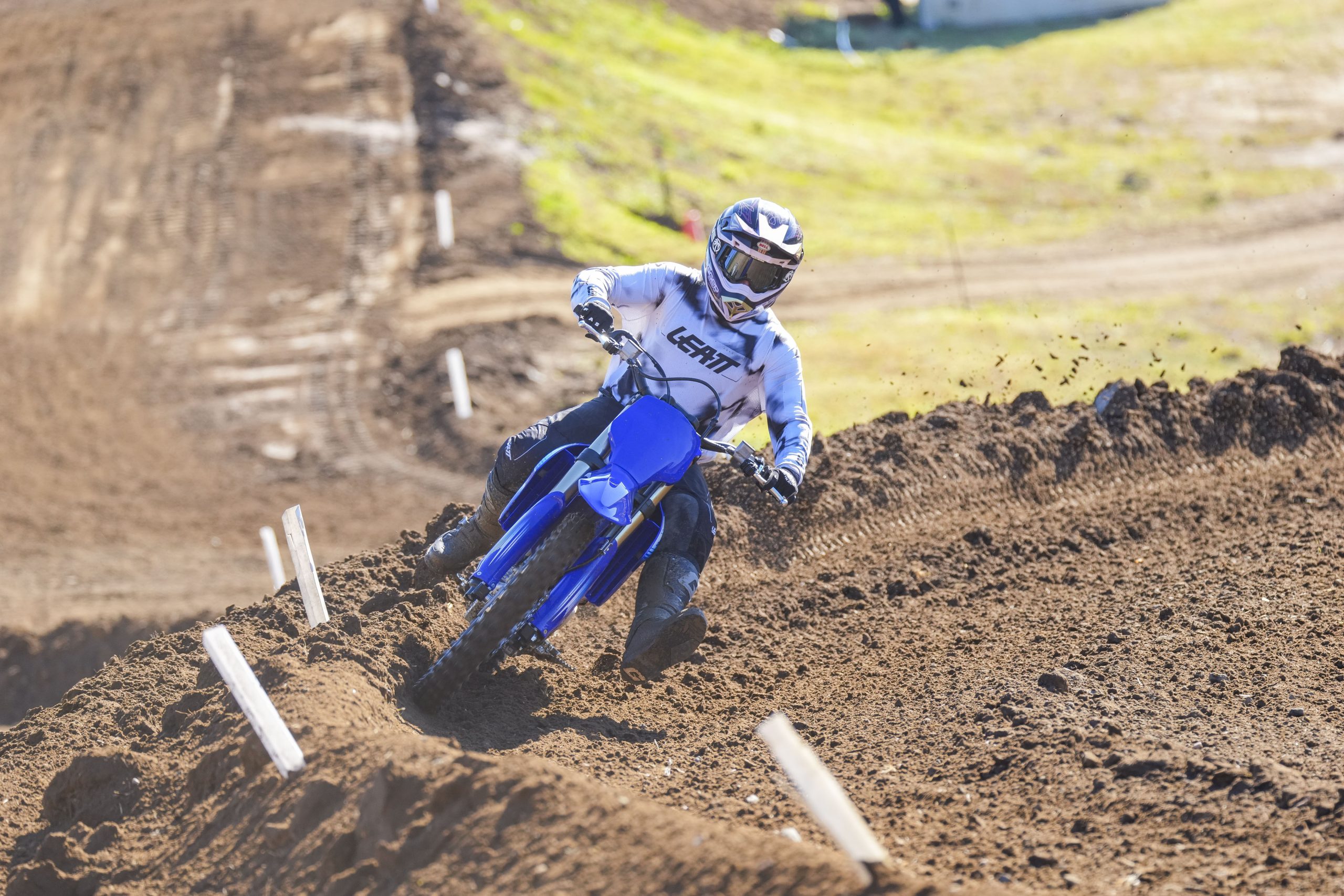
On bigger grass tracks and even in desert conditions it was genuinely difficult to imagine many motorcycles being faster. Sure, there’s a little extra inertia under braking and you need to respect that when entering corners, but the moment you’re pointed in the right direction the bike absolutely flies.
THE MAPPING QUESTION
For 2026, Beta hasn’t made any major performance changes to the RR 480 X-Pro. Most of the updates are relatively minor refinements rather than dramatic redesigns. As a result, if you’ve ridden a recent model, the overall character of the bike will feel very familiar.
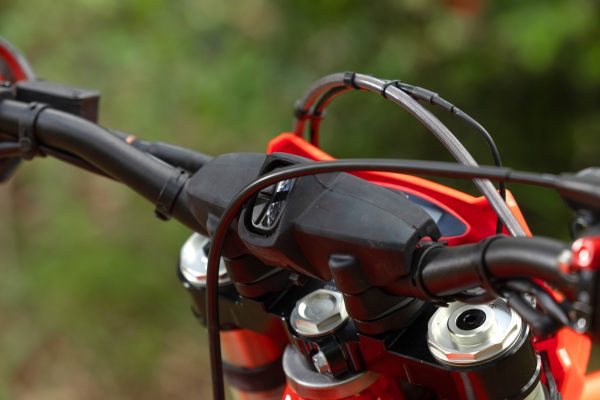
We spent time experimenting with both the soft and aggressive maps during testing. To be honest, the difference wasn’t as noticeable as it can be on some smaller-capacity motorcycles. When you’re dealing with this much torque, both maps still pull incredibly hard.
In the singletrack, the bike lugged cleanly regardless of which map was selected. On the grass track, the aggressive setting added a little extra urgency, but it wasn’t a night-and-day transformation. For most club-level riders, the mapping options are nice to have rather than something that will dramatically alter the riding experience.
That’s not necessarily a criticism. The motorcycle already produces more than enough performance for most riders. The mapping simply allows you to tailor that performance slightly depending on conditions and personal preference.
THE FINKE EQUATION
Which brings us back to the reason this bike grabbed our attention in the first place. There’s a reason big-capacity four-strokes have always had a strong following at Finke. The race is brutal on riders and motorcycles alike, and anything that reduces rider workload becomes a significant advantage. That’s exactly where the Beta’s engine shines in performance and reliability.
Rather than constantly smashing through gears and chasing revs, the 480 allows riders to settle into a rhythm and use its enormous torque. Need to accelerate? Twist the throttle. Need to pass someone? Twist the throttle. Need to climb out of a sandy roller or skim across whoops? Twist the throttle.
The simplicity of that approach becomes increasingly attractive as fatigue sets in. After hundreds of kilometres in the saddle, having a motorcycle that produces effortless performance is worth its weight in gold. And from all reports, the Beta is incredibly reliable as well, like most Betas.
WHAT ABOUT THE AFTERMARKET?
One of the biggest concerns surrounding racing a Beta at Finke would be aftermarket support. Riders inevitably ask whether they can get the parts required to build a serious race bike. A decade ago, that question was probably justified.
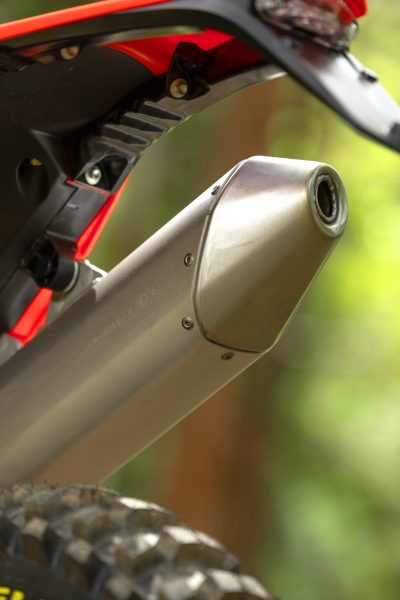
Today, it’s much harder to make that argument. Oversized fuel tanks are available. Steering dampers are available. Aftermarket footpegs are available. Protection parts, guards and accessories are all readily available through a growing network of suppliers for the Beta.
That’s important because every serious Finke bike eventually receives modifications. Bigger tanks, steering dampers and stronger footpegs are all common upgrades regardless of brand. The fact that those options now exist for the Beta platform removes one of the major obstacles that previously held the brand back.
When you combine that aftermarket support with the lower initial purchase price, the value proposition becomes very interesting. Every dollar saved buying the motorcycle can be redirected towards race preparation, tyres, fuel, accommodation or entry fees. For privateer riders funding their own racing, that’s a big deal.
Would you race Finke on one?
What impressed us most about the RR 480 X-Pro wasn’t how fast it was in open terrain like on the Finke track because that’s exactly what a motorcycle like this should do. The surprise was how competent it remained when the trails tightened up which is great if you want to take all the Finke parts off and trailride it after you’re done with the race.
Most importantly, it does all of that while costing less than many of its direct competitors. In a world where racing has never been more expensive, that’s a compelling argument. If you’re dreaming about racing Finke one day and want a capable big-bore platform without blowing the budget, the RR 480 X-Pro might just be one of the smartest places to start.
ENGINE
Engine Type: Single-cylinder, 4-stroke, liquid-cooled
Displacement: 477.5cc
Bore x Stroke: 100.0 x 60.8mm
Compression Ratio: 11.86:1
Valve Train: DOHC, finger follower, 4-valve
Fuel System: Eldor dual electronic fuel injection
Throttle Body: 42mm Synerject
Starter: Electric start
Clutch: Wet multi-disc clutch
Transmission: 6-speed
CHASSIS
Front Suspension: ZF, 48mm USD hydraulic fork, 295 travel
Rear Suspension: ZF Monoshock with progressive linkage, 290 travel
Brakes
Front Brake: Nissin, 260mm wave disc, twin-piston floating caliper
Rear Brake: Nissin, 240mm wave disc, single-piston floating caliper
DIMENSIONS
Wheelbase: 1490mm