Daniel Milner didn’t head to Europe as a fresh-faced teenager chasing a dream. He went as a fully formed champion, a husband, and a dad with a two-year-old on one hip, a six-week-old on the other, and the weight of Australia’s expectations riding shotgun. While most riders make the leap early, before life roots itself too deeply, Milner did the opposite. He packed up his young family, sold the house, and rolled the dice on a European enduro campaign at a time when the world itself was barely functioning.
COVID had shut racing down in Australia. A few scattered rounds in 2020, another stop-start season in 2021, and suddenly Australia’s best off-road rider was spending more time sitting still than racing. For a bloke in his prime, that was torture. So Milner did what competitors do, he moved. Europe became the only path forward, even if that path was messy, uncertain, and nothing like the polished success stories we’re used to hearing.
What followed was a wild, chaotic, often brutal two-year education in the reality of racing overseas. The language barriers, the culture shock, the money dramas, the bike struggles, the cramped Italian apartments, and the constant push-and-pull between being a world-class rider and a present father all collided at once.
But it’s also a story of grit, loyalty, family resilience, and the stubborn determination that defines Aussie racers. Milner didn’t get the fairytale. He got something more valuable: perspective. And somehow, in the middle of all the chaos, he still found moments of brilliance, podiums, breakthroughs, and memories strong enough to make the whole ordeal worth it. This is Daniel Milner’s European adventure: raw, honest, and nothing like the brochure.
Locked down
Milner’s decision to pack up his life, his wife, and two young kids and chase the World Enduro dream didn’t come from a place of excitement – it came from frustration. After years of dominance in Australia, he suddenly found himself stuck in a holding pattern as COVID shut the country down.
“We had only three rounds of the 2020 season, and then it got cut short because of COVID. So then, you know, that was quite difficult just sitting around doing nothing for the remainder of the year. Then 21 we did one round… and then everything was shut down again.”
The downtime ate at him. This wasn’t a young rider with time to burn — this was a multi-time Australian champion entering the peak window of his career, watching it evaporate indoors. “I’m just sitting here pretty much… I believe that was the problem of my career and I’m just sitting not racing, wasting my time. And that’s when I was like, hey, I need to get out of here.”
By the end of 2021, Milner reached a breaking point. If 2022 was shaping up to be another year of cancelled rounds and idle weekends, he wasn’t staying to watch everything stall again. “If 22 is going to be another COVID year where we don’t go racing again and I’m just sitting here doing nothing… I’m going to pull my hair out. It’s going to do my head in.”
So the family made the call: sell up, move overseas, and chase the World Enduro Championship. No factory ride waiting. No guaranteed comfort. No roadmap. Just opportunity. “So that’s when we made a decision to go to Europe. And, you know, I reached out to every team over there to try and get what I could.”
The best option came from an unexpected direction — Fantic, a brand most Aussies still didn’t fully understand. “We ended up with Fantic, which, you know, it’s funny when you talk about Fantic here in Australia, everyone’s like, what is that? But Fantic is quite big in Europe… it’s literally like the parts that’re coming with Yamaha written on it.”
Underneath the plastics, it was essentially a YZ250F, with a couple of performance quirks he had to overcome. “The only thing that was different about that bike… Fantic would put a GET ignition and an Arrow exhaust. And they seemed to be the two things that I struggled the most with to get them to work while I was over there.”
But if adapting to the bike was difficult, navigating the European team and payment systems was something else entirely. “Then, you know, I struggled with the manufacturer and I guess just a European way of paying money and not paying money, which seemed to happen a lot.”
“When we first left we just packed up and we sold our house here. We put a lot of money and time into going there… The team owner showed us photos of the apartment… we get there, it’s an eight-story high-rise. I’ve never lived in a high-rise my whole life.”
Then came the bureaucratic nightmare. “The biggest thing was communicating, having the language barrier… They were like, because I was only on a one-year contract I can’t get a visa for my wife. And I’m like, well, what’s going to happen? And they’re like, well, your wife can’t stay here. I’m like, well, that’s not going to happen.”
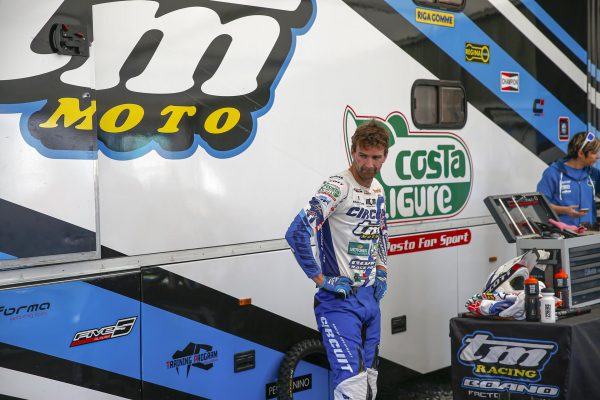
“There was just so many stretches we went through… not realising how corrupt that country is. There was some dodgy shit going on, dude… I got ridden on a scooter with this guy that is very wealthy over there that knew cops to then get us our visas.”
The resources weren’t there, the bikes weren’t where they needed to be, and the consequences were brutal. “The first year, the team I rode for, the money was… they didn’t have much money for producing the bike or trying to make the bike better to the point where I was riding around on standard suspension. So it was pretty mind blowing to the point where like halfway through the year, I bottomed out in a braking bump and broke my wrist.”
It felt like one problem just triggered another. “It was just stupid shit like that that kept snowballing.”
In the middle of the chaos, one person — his mechanic Scott— kept him grounded. “Scott… he was the only dude that kept me sane over there between him and my wife, I think.”
But even Scott had to get creative to keep Milner rolling. “Scott ended up stealing shims out of another set of forks that were in there to make my suspension harder at one point… just small dodgy shit like that.”
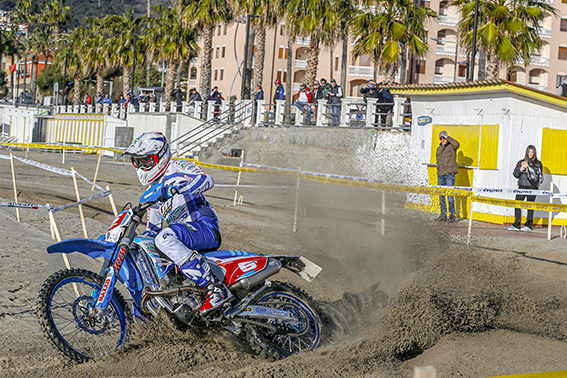
Against all logic, the results came anyway, a testament to Milner’s ability to ride the wheels off anything put under him.
“We ended up with a podium in a GP that year at… Portugal, which I thought was never going to be able to be done. I knew that I had the potential as a rider, but I just struggled a lot with the brand and setting up the bike.”
It didn’t take long for the situation to reach a breaking point, one that pushed Milner toward another unexpected career twist. “Hence why I ended up signing with TM…”
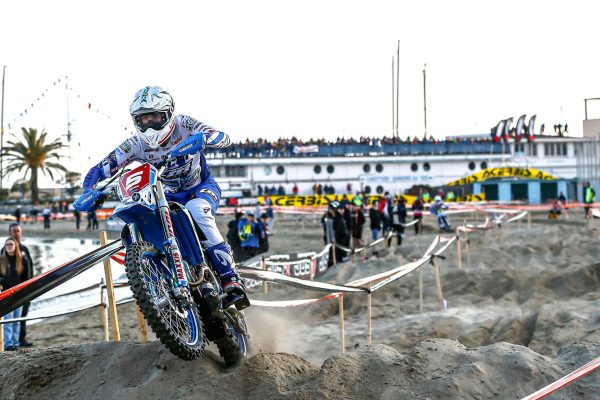
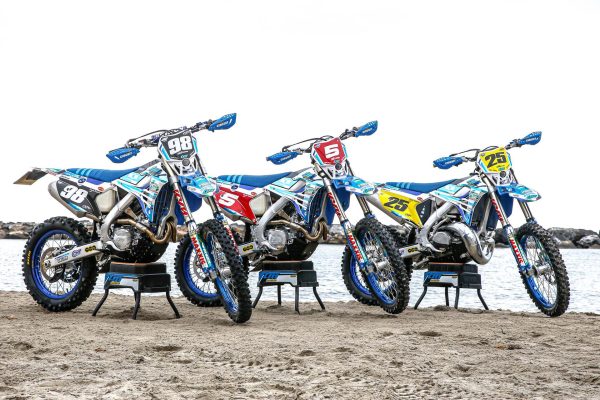
Milner’s shift from Fantic to TM was supposed to be a fresh start, a chance to reset, recalibrate, and finally show what he could do on the world stage. Instead, it became one of the most confronting chapters of his entire racing life.
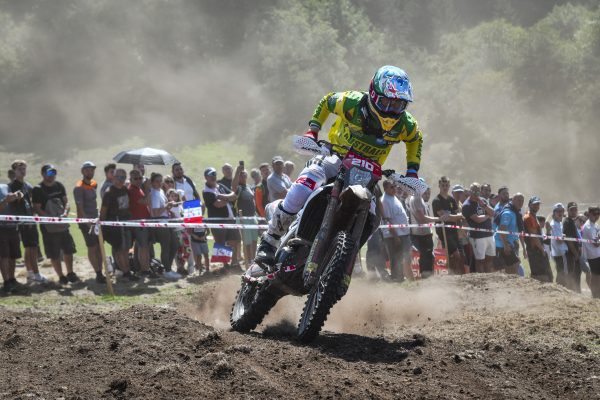
He arrived to find himself in an unusual position: not the rising young gun, but the seasoned veteran brought in to guide the next generation. “I was the oldest guy they ever had on the team, they always had younger guys. They had Brad Freeman when he first won his world title when he was quite young. So they kind of got me on there to try and help the younger guys…”
But when Milner tried to offer feedback, the kind a world champion earns the right to give, he hit a wall. “When I kind of was like, hey, we need to change this up and do that… it kind of was not an option. They were like, nah, it’s our way or no way. And I kind of threw my hands up. We were like, well, what’s the point of hiring me to help when it’s not helping kind of thing?”
The partnership deteriorated fast. Two years on paper turned into just one year emotionally.
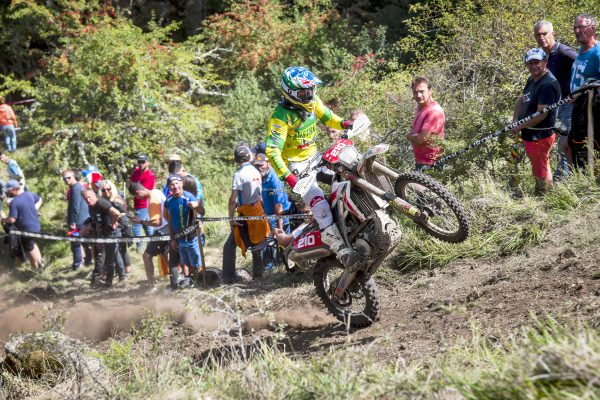
“That was a fair bit of a struggle. I had a two-year deal with them guys and, you know, we decided to part ways at the end of that year. I struggled to gel with the bike a lot, as well as struggled to fit into their program.”
By then, Milner was mentally cooked. He’d spent two years grinding through the pandemic, uprooting his family, adapting to foreign teams, and fighting equipment battles he couldn’t win. The idea of leaving Europe wasn’t defeat, it was survival.
“That’s when I was like, hey, I think it’s time to go home and do what I’ve always wanted to do later on in my career and start a team.” What caught most fans off guard was how quickly the dream soured. Milner had left Australia as the reigning ISDE champion, arguably the best enduro rider in the world at that moment. From the outside, Europe seemed like the perfect next move.
But inside the circus, everything was harder. We also asked whether it was culture, money, language, equipment, what exactly made the transition so brutal?
His answer was simple: “No… the hardest part for Aussies going there is we’re so used to freedom over here. We can just go out our door, go into the bush, we can go train, we can do all that kind of stuff. Where my first year there was like… I had my daughter, she was two years old, our second daughter was six weeks old when we jumped on the plane…”
Eventually, with his first TM season over and a flight home booked, reality sank in.
“I remember just saying to Tori, my wife… man, I shouldn’t have done that. We spoke about it so much… Should we go back? We’re like, oh, it’s an experience, you know.”
But Australia tugged at him harder every time. “I remember being back here and just thinking like, how good Australia is, how good the freedom is. I’ve obviously been a country boy… I like going up to our friend’s place, family friends on a station up north, pig hunting and doing all that fun stuff. I was homesick on that and I just wanted that freedom.”
Life overseas became suffocating, not just physically, but emotionally. “When we were stuck in Italy in this apartment… it was just race, ride, and that was it. We didn’t have the fun, we didn’t have family, we didn’t have all this stuff to go do away from the bike side.”
The toll on his family weighed heavily. “My missus deserves more of a medal than I do for sticking it out over there and doing as well as she did with the young kids.”
And yet, for all the pain, he’s grateful for the experience. “I got to experience it. I got to try it. We podiumed, it was sick, and we got to meet some really cool people over there as well.”
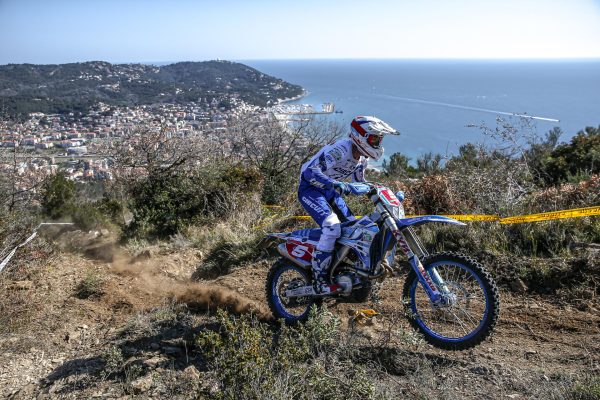
When he finally returned to Australia, he was mentally cooked, close enough to walking away altogether. “I was almost going to retire when I came home. I was real close to it.”
But KTM Australia stepped in at exactly the right moment. “I was lucky that KTM reached out… I’m like, I’ll give it another go, I’ll give it another year and just see if my enjoyment for the bikes comes back.”
It did and it changed everything. “It’s probably one of the best decisions I could have ever done… Now being able to run a successful race team like I am and getting to work with the best brand in the paddock.”
Looking back now, Milner knows the timing made everything harder. “If I did go earlier in my career, it would have been a lot easier and more enjoyable. But I never really had that opportunity earlier in my career.”
Despite the hardship, he carries no bitterness, only perspective. “You forget all the bad memories and think of the good memories…We got to go to Switzerland, write some really cool tracks, meet some really cool people.”
But the biggest takeaway? Australia still feels like home. “There’s nothing like here in Australia.”
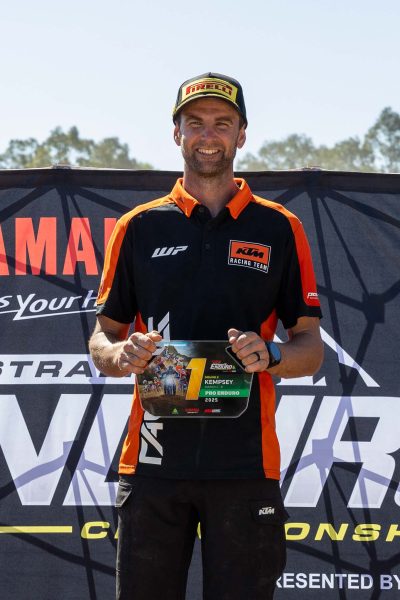
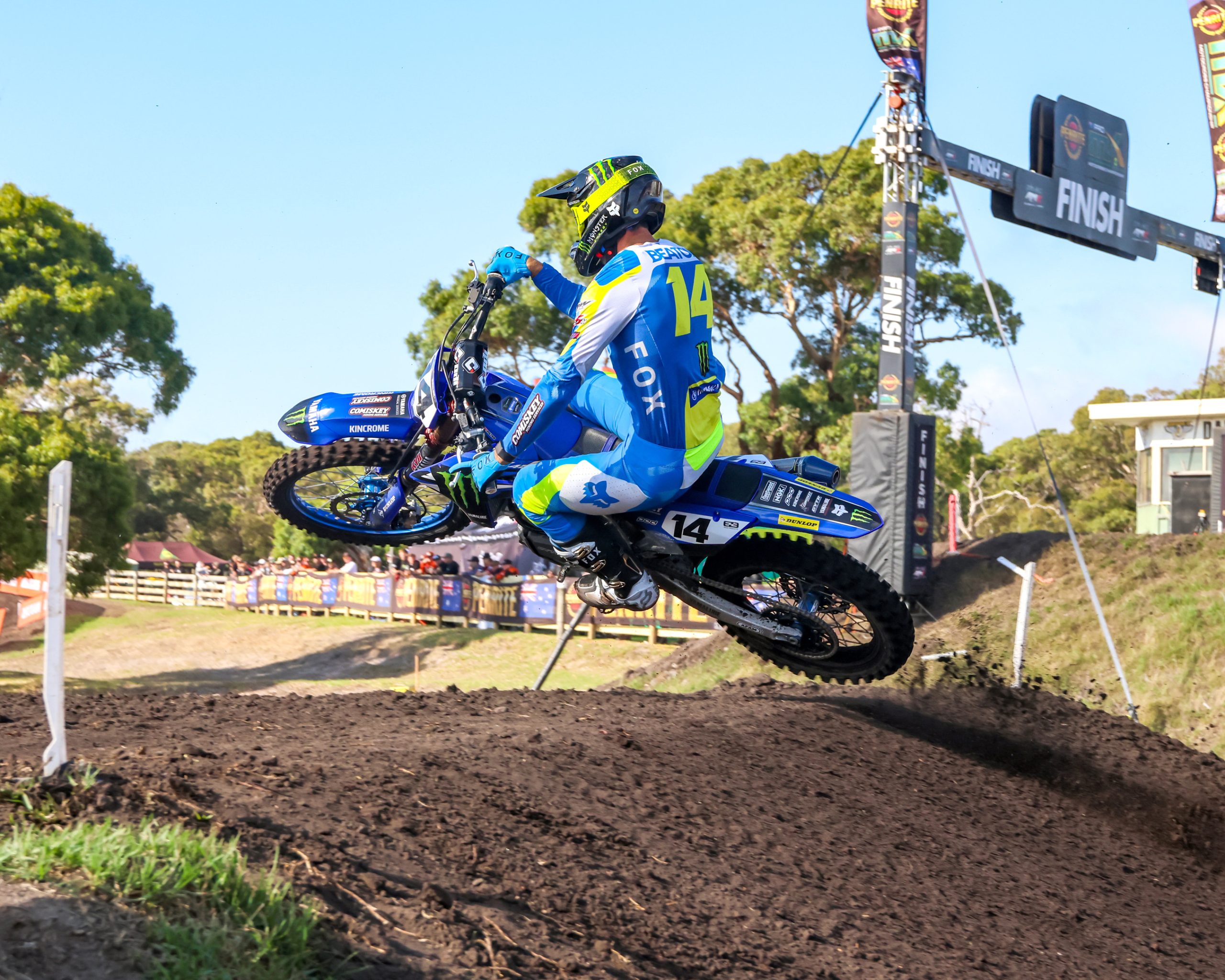
Image Details
Camera: Canon Canon EOS R3
Lens: RF28-70mm F2 L USM
f 5.6
1/800 sec
ISO 400
Credit: Marc Jones/Foremost Media
Date: 2 March 2025