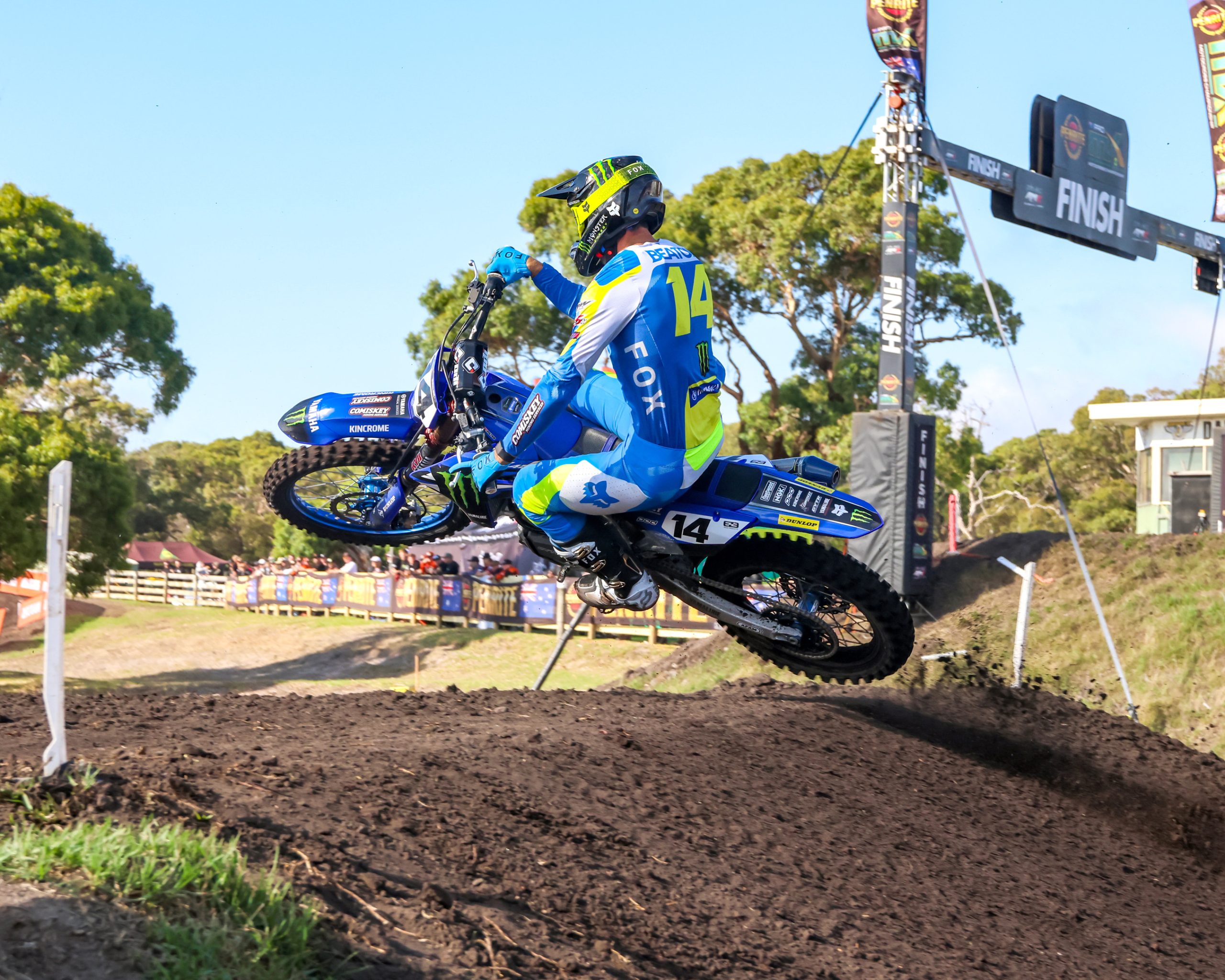
The 2025 FIM World Supercross Championship arrived this year with more than just hype and drama, it brought a new era. Under fresh ownership and leadership, backed by significant new investment and a long-term deal with the Fédération Internationale de Motocyclisme (FIM), WSX has steered Supercross into truly global waters. After a change in ownership that saw seasoned sports investors take the reins alongside SX Global’s management, the championship secured new funding, broadcast agreements across multiple continents, and a clear direction to grow beyond its traditional markets and reinvent itself as a world-class spectacle.
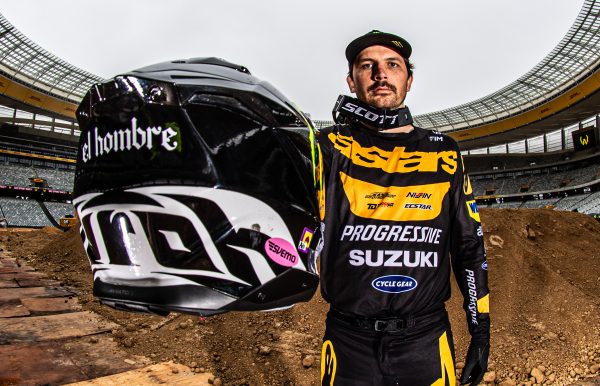
This was a season that leaned hard into that vision: a five-round calendar across five continents, expanded broadcast reach, and a rider lineup that mixed seasoned big-names, curious wildcards, and fresh blood. While some traditionalists still view WSX as an off-season playground, a place riders exploit for additional race miles or cash rather than the pinnacle of Supercross, the product this year felt more competitive and compelling than ever. Still, the question hung over every round: Is WSX the future of global Supercross, or just a glorified prep series for the AMA season?
On track, the narratives were just as intriguing. Riding with the pressure of a full season slate, Ken Roczen returned to headline rounds and bagged big results early on, while defending Champ Eli Tomac made eye-catching appearances for a new team that promised to blend WSX firepower with championship ambition. MX and Supercross phenom Haiden Deegan stepped up to the 450 class aboard a new Yamaha YZ450F, turning heads as he acclimated to the world stage. Ever-gritty Vince Friese took to the gate on the Stark Varg electric machine, marking a technological milestone as electric bikes joined the global mix. And over it all loomed the battle for the SX1 crown, ultimately decided in a thrilling finale that underscored both the series’ potential and its unpredictability.
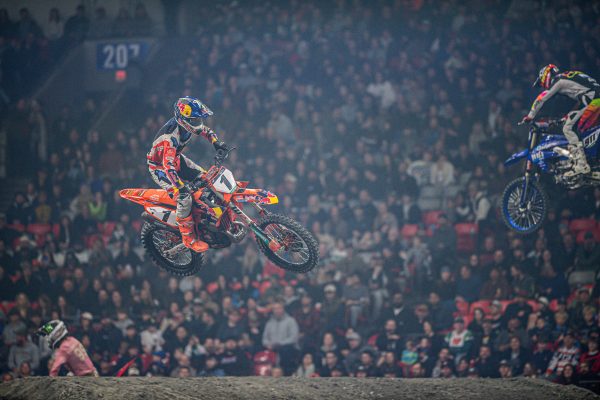
From this whirlwind of change and racing drama, five burning questions emerged that defined the 2025 season and set the tone for seasons to come:
- Can WSX truly shake the reputation as a secondary series and becomethe premier global Supercross championship?
- Will the new ownership and funding structures finally give WSX the stability and star power it has long chased?
- How will part-time and wildcard entries from marquee names like Roczen and Tomac shape the championship narrative?
- Is the rise of electric competition, exemplified by the Stark Varg entry, a genuine game-changer or a gimmick?
- What does Haiden Deegan’s 450 debut mean for the future of young American talent on the world stage?
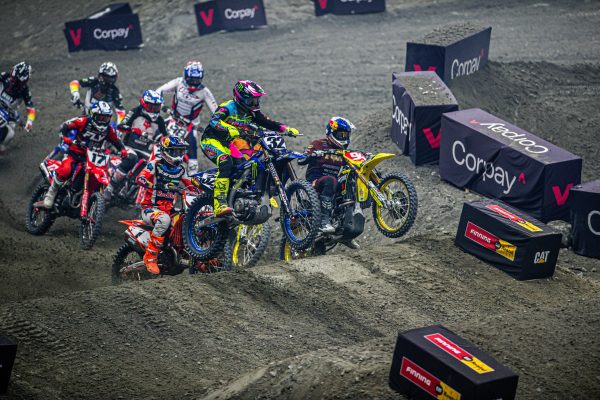
- Can WSX finally shake the “off-season series” label?
If 2025 proved anything, it’s that World Supercross is no longer something riders just turn up to. The depth of commitment from the front-runners, particularly Ken Roczen and Jason Anderson, shifted the tone of the championship. Roczen originally signed on for all five rounds and raced with genuine intent, banking early wins in Buenos Aires and Australia and leading the standings deep into the year. Anderson, meanwhile, treated the series like a world title from day one, grinding early and delivering when it mattered most.
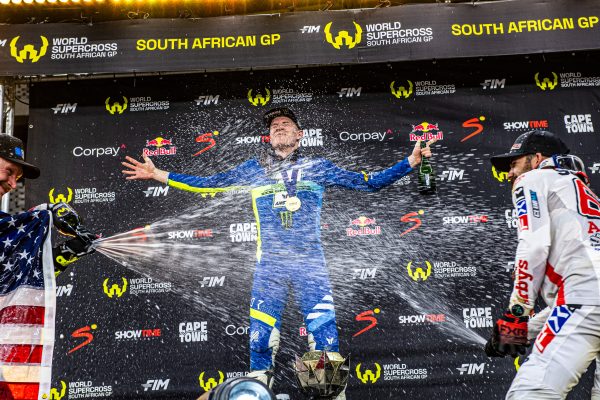
The championship decider in Cape Town sealed that argument. A three-way title fight going down to the final race, settled by a rider going 1-1-1 under pressure, in front of 20,000 fans, doesn’t feel like prep racing. It felt like a proper world championship moment, messy, physical, exhausting and emotional. WSX may still sit outside the traditional AMA ecosystem, but 2025 showed it can produce racing that demands to be taken seriously.
- Has new ownership and funding delivered real stability?
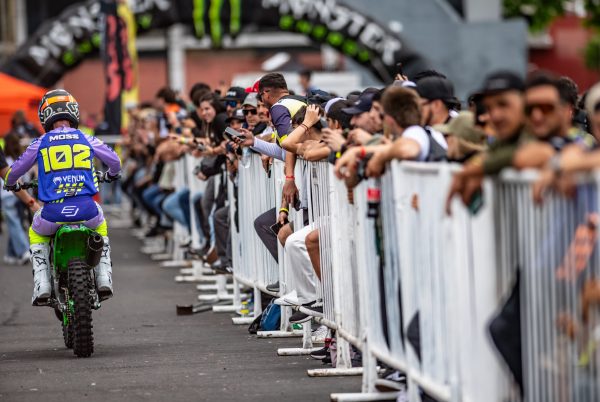
For the first time, WSX felt settled. The calendar held, the venues delivered, and the series built momentum rather than scrambling to survive round-to-round. Five rounds across multiple continents, growing crowds, particularly in South Africa and Australia, and a clear competitive structure suggested the new ownership model is working.
Just as importantly, teams committed. Pipes Motorsport, Quad Lock Honda, Rick Ware Racing and GSM all treated the championship as a season-long project, not a stop-gap. The Teams Championship going down to Quad Lock Honda was a quiet but important indicator that WSX is starting to reward long-term investment, not just headline acts. It still isn’t perfect, travel demands remain brutal, but 2025 finally felt like a championship with a future rather than a concept still finding its feet.
- Do part-time stars help or hurt the championship narrative?
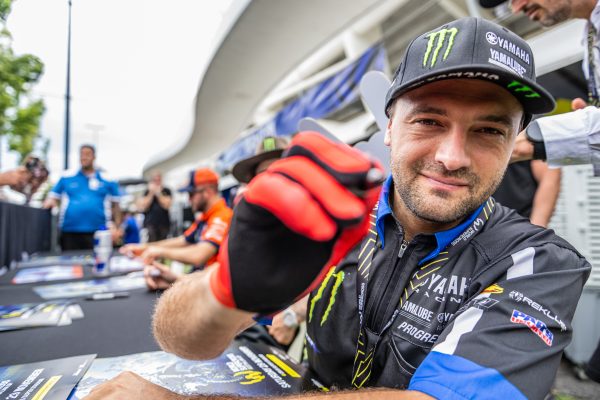
If anything, 2025 showed that selective wildcard appearances enhanced the product. Eli Tomac’s KTM debut in Vancouver was a perfect example: high stakes, genuine intrigue, and no guarantee of success. Tomac didn’t cruise, he had to adapt, fight Roczen, and manage a technical track, proving WSX isn’t a free hit even for champions.
The same applied to Cooper Webb and Haiden Deegan. Their appearances didn’t overshadow the championship regulars; they sharpened the competition. Anderson still won the title. Roczen still carried the narrative. Savatgy and Craig still mattered. WSX found a balance this year, letting global stars drop in without undermining the integrity of the championship fight.
- Is electric racing legitimate or still experimental?
Vince Friese and the Stark VARG made electric racing impossible to ignore. Strong starts, top-three pace in sprints, and Jorge Zaragoza’s breakthrough podium showed the concept works, even if execution still needs refinement. Friese’s energy-tolerance penalty in South Africa highlighted that the ruleset is still evolving.
More importantly, electric bikes weren’t treated like novelties. They were mixed into the same races, under the same pressure, on the same tracks. WSX positioned itself as the series willing to test the future rather than protect the past, and in doing so, carved out a space AMA Supercross simply doesn’t occupy yet. But, the Stark Varg looked like it didn’t quite belong on a supercross track. Despite strong starts, Friese looked better on a Honda and if Stark want to stay in the game, they better make some changes that ensure it can be competitive with the petrol bikes because it’s just not there right now.
- What does Haiden Deegan’s 450 debut mean for WSX’s future?
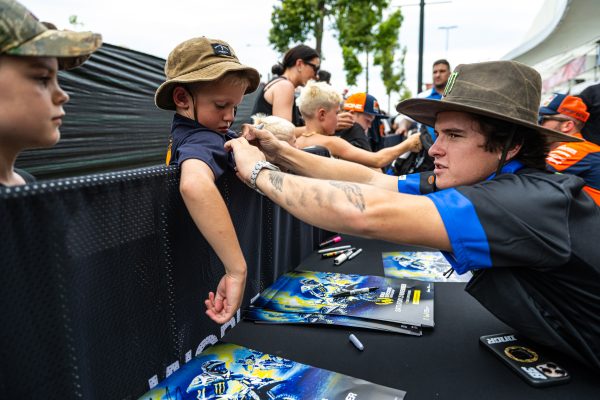
Deegan’s 2025 campaign might be remembered less for results and more for symbolism. Racing a Yamaha YZ450F outside the U.S. for the first time, lining up against Roczen, Tomac, Webb and Anderson, and belonging, sent a clear message. WSX is becoming a proving ground for the next generation, not just a playground for veterans.
His podium in Buenos Aires, resilience through penalties and mechanical issues, and genuine awe racing his childhood heroes gave the series something it has sometimes lacked: emotional pull beyond pure results. If WSX wants longevity, this is the pathway, mixing legends chasing titles with young stars testing themselves on a global stage.
Blow-by-blow
SX1
The 2025 SX1 World Supercross Championship delivered the kind of finish the series has been chasing since its inception, a three-rider title showdown, split by a single point, decided in the final race of the final round. Heading into the inaugural South African GP in Cape Town, Jason Anderson, Joey Savatgy and Christian Craig were locked together at the top of the standings, each carrying a completely different path into the decider and each with something to prove.
Anderson arrived as the anomaly in the equation. A World Supercross rookie, on a new team, and adapting to Suzuki RM-Z450 machinery with Pipes Motorsport, he had spent much of the season learning on the fly. His breakthrough win in Stockholm the week prior kept his title hopes alive, but it also exposed just how narrow the margins were. Savatgy had the experience and composure of a seasoned WSX campaigner. Craig, meanwhile, was still fighting for validation at the elite SX1/450SX level after an up-and-down career path.
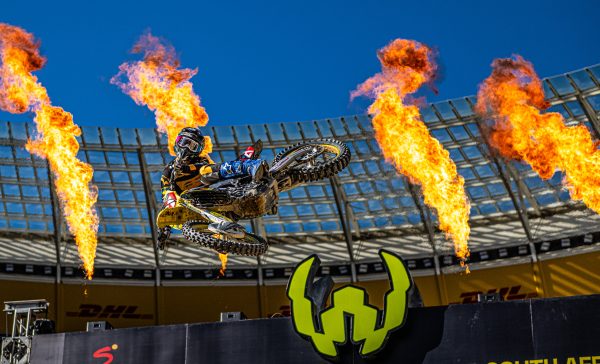
Under the lights at DHL Stadium, Anderson delivered when it mattered most. He won the opening sprint, immediately putting himself on the front foot, and backed it up with another strong result in Sprint Two to edge ahead by just two points. Savatgy refused to go quietly, charging from deep in the pack to second in the second sprint and dragging the championship fight into the final main race. With over 20,000 going ballistic, the final race became a raw, physical duel between Anderson and Savatgy.
Savatgy struck first, leading early and forcing Anderson to chase on a challenging track. The Suzuki rider looked loose and aggressive. With four laps to go, Anderson finally edged ahead, only for Savatgy to mount one final lunge into the penultimate corner, a move that nearly rewrote the championship. It didn’t stick. Anderson held on, crossed the line, and completed a 1-1-1 night to clinch his first World Supercross SX1 title. Craig, after crashing in both sprint races, salvaged pride with a hard-earned P3 in the main, but the damage was done. One perfect night was enough, and Anderson took the crown.
SX2:
While SX1 delivered edge-of-your-seat drama, the SX2 title told a different story. From the opening round in Buenos Aires, Max Anstie set the tone for the 2025 season, asserting himself as the rider to beat and never loosening his grip. Clean sweeps in Argentina, Canada and Australia gave the Team GSM by Star Racing Yamaha rider a commanding buffer, but the championship was anything but a cruise.
He won in Vancouver while dealing with illness and jet lag, fought through rutted, technical tracks in Sweden, and adapted seamlessly to wildly different soil types across continents. In Sweden, the championship briefly looked set to stretch to the finale after Enzo Lopes claimed the main race and Shane McElrath began finding late-season form. But even on nights where he wasn’t dominant, Anstie never cracked, banking points, managing risk, and refusing to throw away results chasing unnecessary wins.
By the time the series reached Cape Town, Anstie knew exactly what was required. Against a revitalised McElrath, who dominated the night with three strong starts and flawless execution, Anstie rode with maturity rather than desperation. Three second-place finishes were all he needed, and he delivered them calmly, securing his second SX2 world championship (to add to his 2023 crown). Behind him, Coty Schock capitalised on late-season momentum to secure third overall for the year, while McElrath’s Cape Town victory served as a reminder that SX2 remains one of the most competitive and unforgiving classes in the paddock.