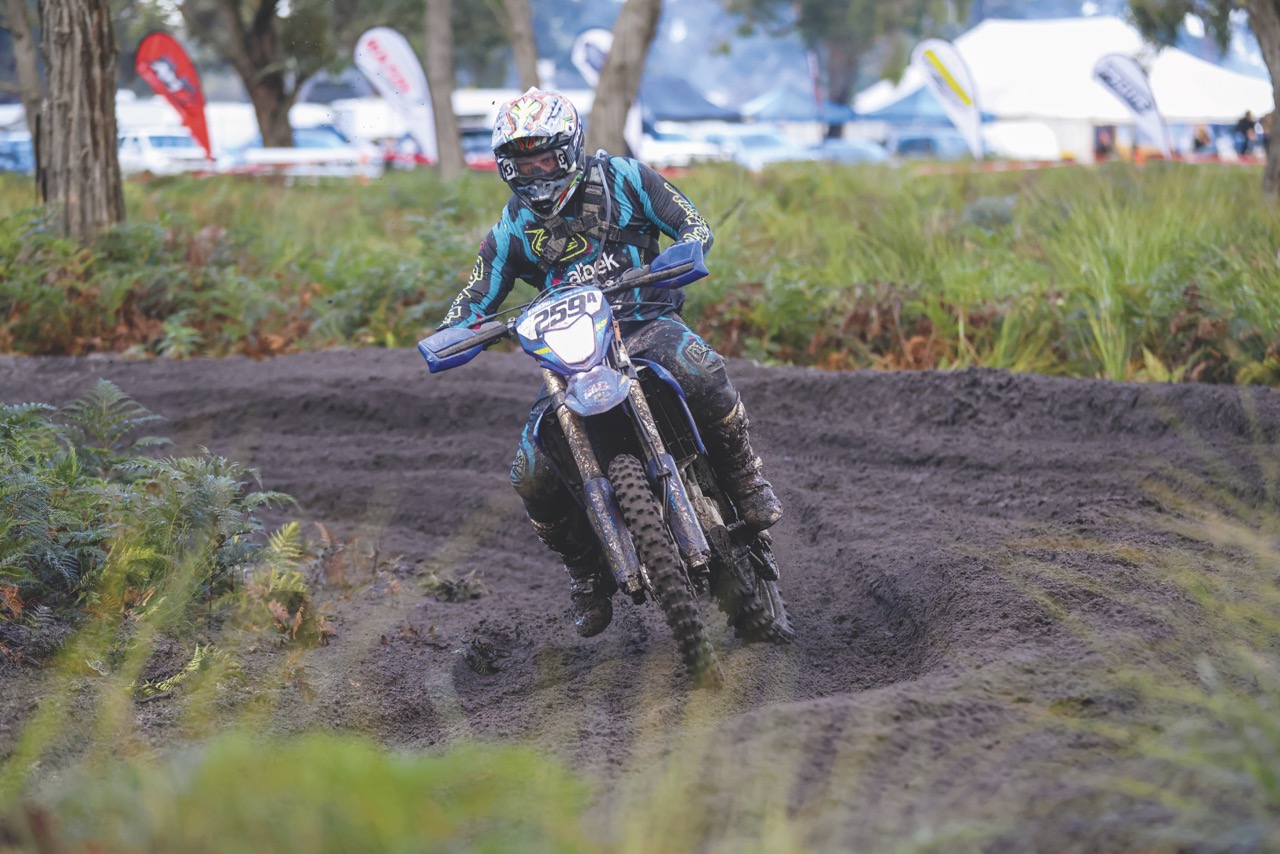
With the cost of riding creeping up thanks to fuel, parts and general cost-of-living pressure, plenty of riders are looking for ways to keep riding without blowing the budget. One option that keeps popping up is the humble two-stroke. They’re simpler, lighter on parts and generally cheaper to maintain than modern four-strokes, which is why bikes like the Yamaha YZ250 still have a strong following on the second-hand market.
If you’re hunting for a used motocross weapon that won’t drain your bank account every time something goes wrong, the Yamaha YZ250 remains one of the safest bets around.
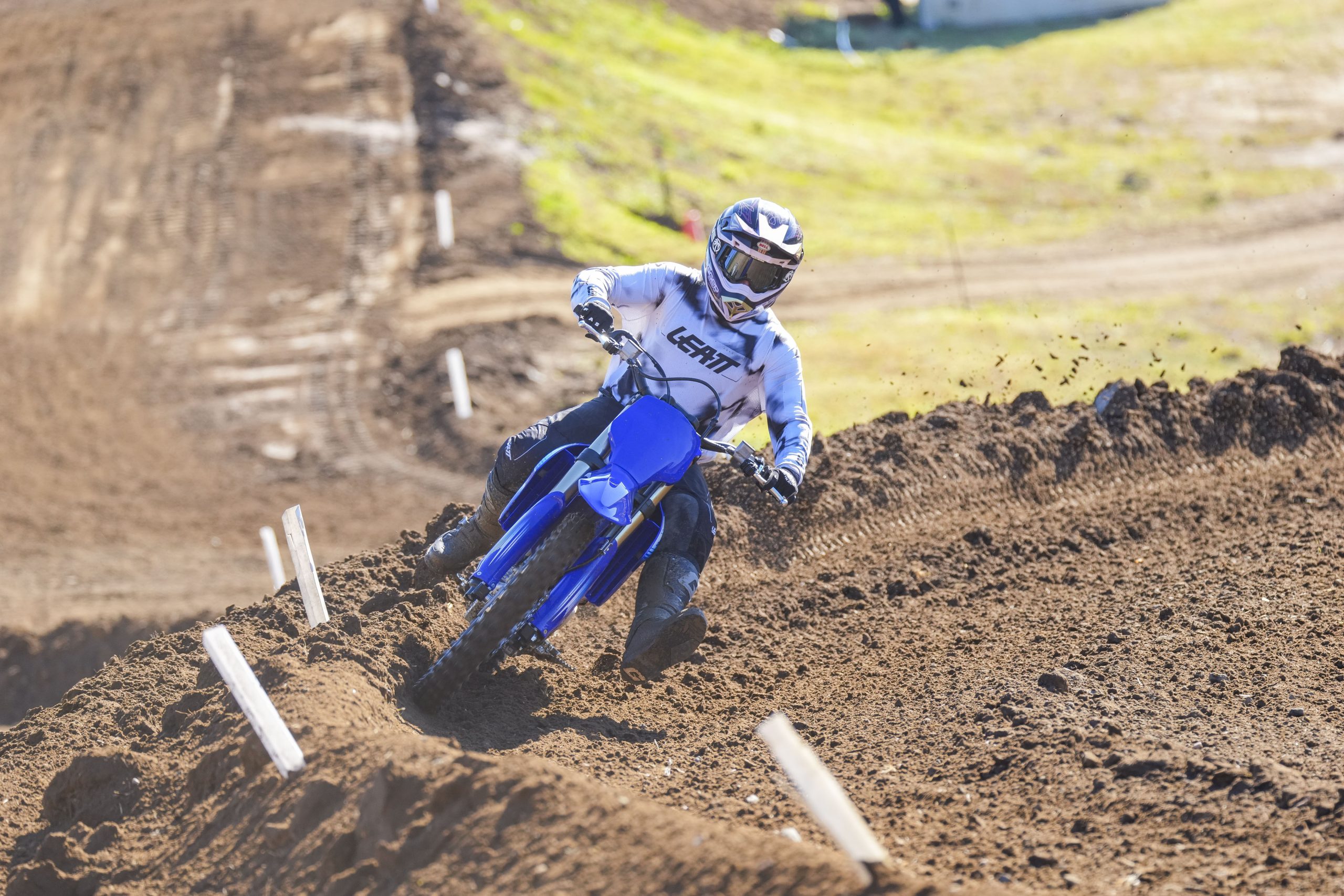
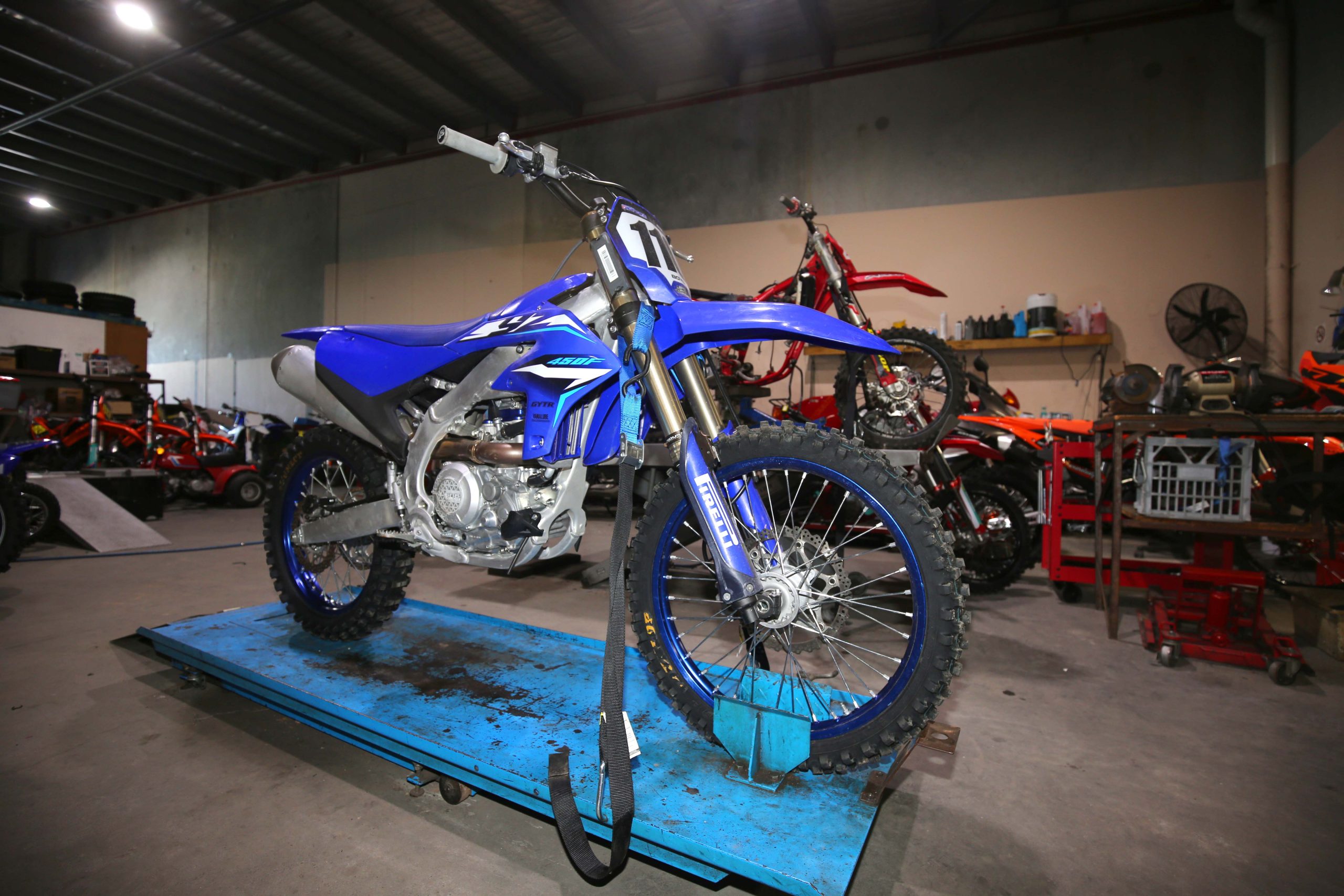
The Yamaha YZ250 two-stroke was a front-runner in the class long before several manufacturers threw in the towel, so Yamaha hasn’t gone nuts with updates. The KYB speed-sensitive, sealed-cartridge fork and KYB monoshock have been standard features for more than a decade.
Rightfully so, because it is still some of the best production suspension you can get. The engine is powerful and reliable and the chassis performs well in just about all scenarios. As far as two-strokes go, it’s a hard bike to make better.
When it comes to buying one second-hand they can be found just about everywhere. The only problem is finding a good one. It’s often said that two-strokes are cheaper to run than four strokes and, while this might be true in certain respects, I’ve still seen two-stroke rebuild costs edge into the thousands when the engines have been abused.
Look for a bike that has been serviced regularly, had the air filter cleaned after every ride and has had regular rebuilds. A two-stroke with 100 hours on a piston is a ticking time bomb. The piston skirt is likely to break and destroy the barrel at any second, so be very wary of any like this.
Often the best way to tell if there is a worn piston is that the bike will struggle to idle, be difficult to start and have a knock that can be heard loudly when you put your ear near the cylinder. Another thing to listen out for is noise in the crankshaft.
This will either be a loud growl, which usually relates to worn main bearings, or a loud knock or rattle, which indicates a worn conrod bearing. Another common problem I see with YZs is a lack of top-end power because the exhaust power valve has either been fitted incorrectly or the actuating arm has broken or come loose.
While the YZ doesn’t have as many issues with stators, coils or CDIs like some other brands, I have had to replace a few stators over the years. The shocks are reliable but the linkage bearings and swingarm bearings often seize over time if they aren’t regularly serviced.
They need to be pulled apart and re-greased often otherwise the bearings dry out and lock. This can cost hundreds of dollars to repair so if you find one with this issue you might want to factor it into the price. Lastly, while the fork provides a very smooth and comfortable ride it has been known to crack the “free piston” in the inner cartridge. This plastic part likes to fracture, which leads to poor damping.
Continued use in this condition often leads to the fork seals blowing out and leaking oil. This has become much less common on later models but Yamaha still uses the exact same free piston. If you ever encounter this issue, there are aftermarket alloy pistons that completely solve the problem.
New
2013 $9999
2014 $9999
2015 $10,299
2016 $10,799
2017 $10,999
Second Hand
2013 $5500 – $6500
2014 $6100 – $7200
2015 $6350 – $7550
2016 $6900 – $8150
2017 $7700 – $9150
Market Equivalent
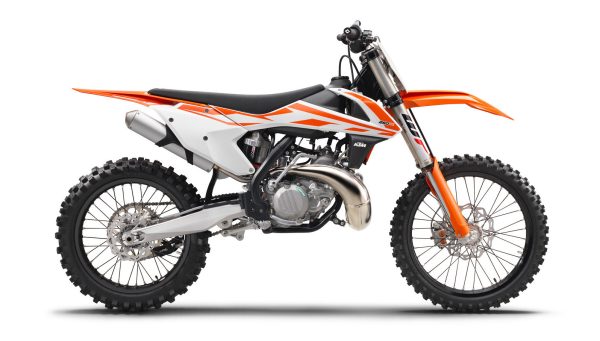
13 – 17 KTM 250SX
$5800 – $9450
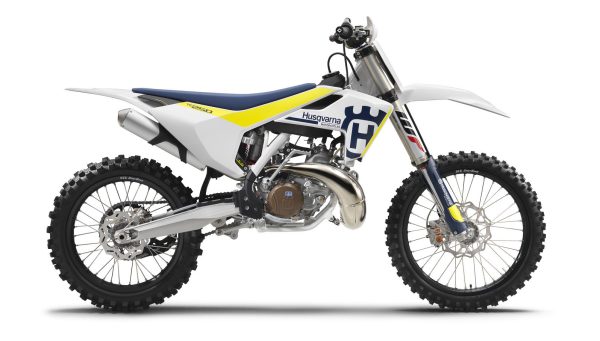
14 – 17 Husqvarna TC250
$6350 – $9700
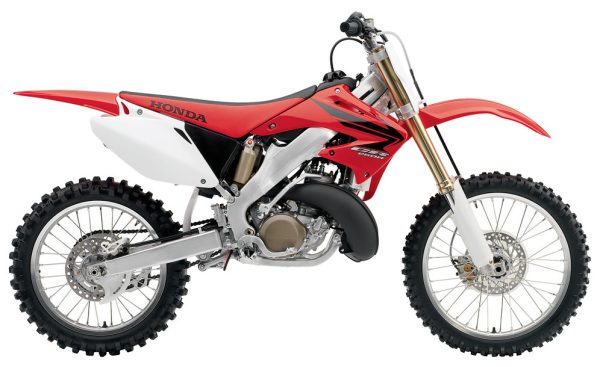
08 – 09 Honda CR250R
$3100 – $3650
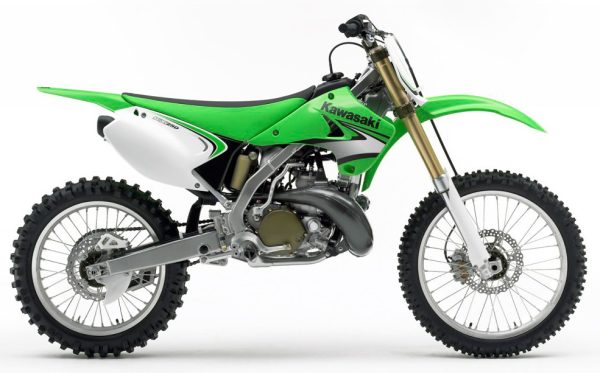
07 – 08 Kawasaki KX250
$3850 – $4450