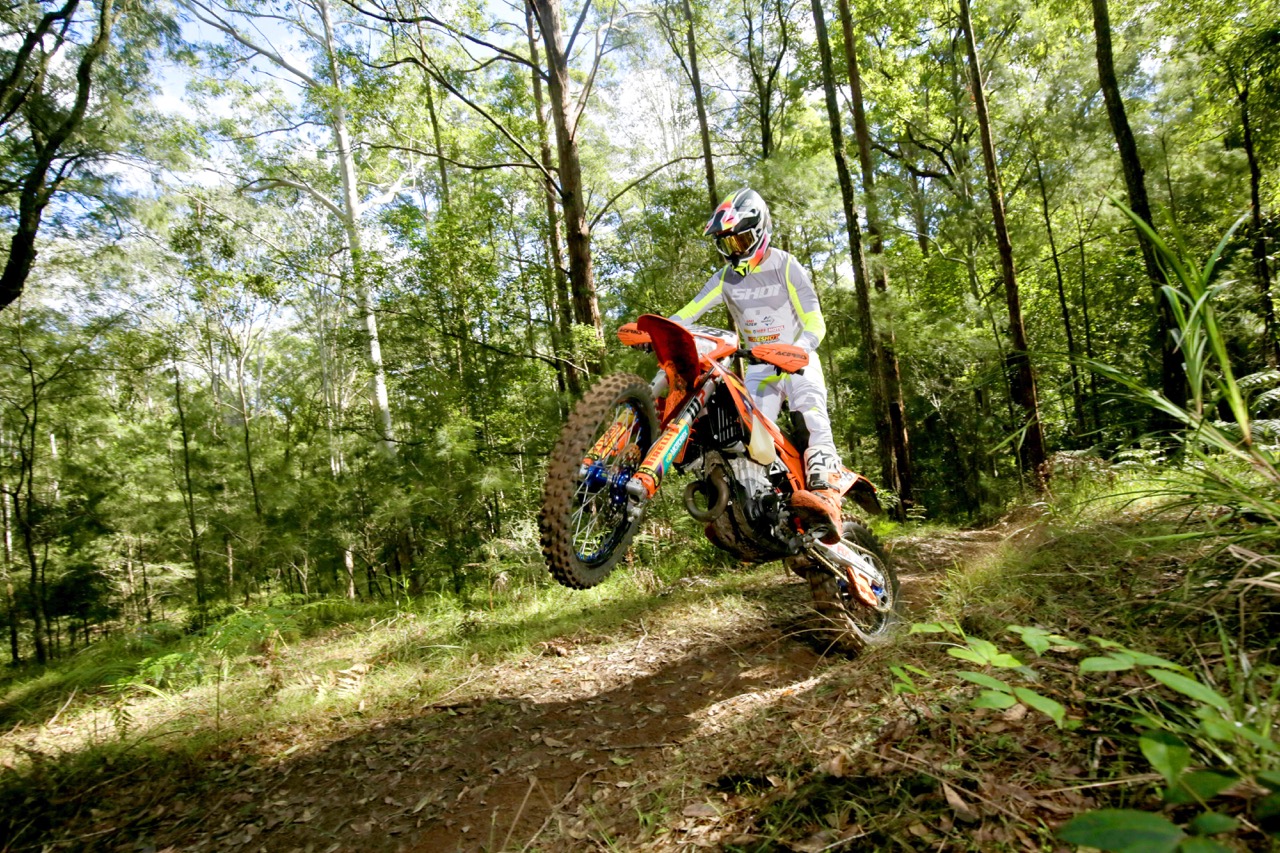
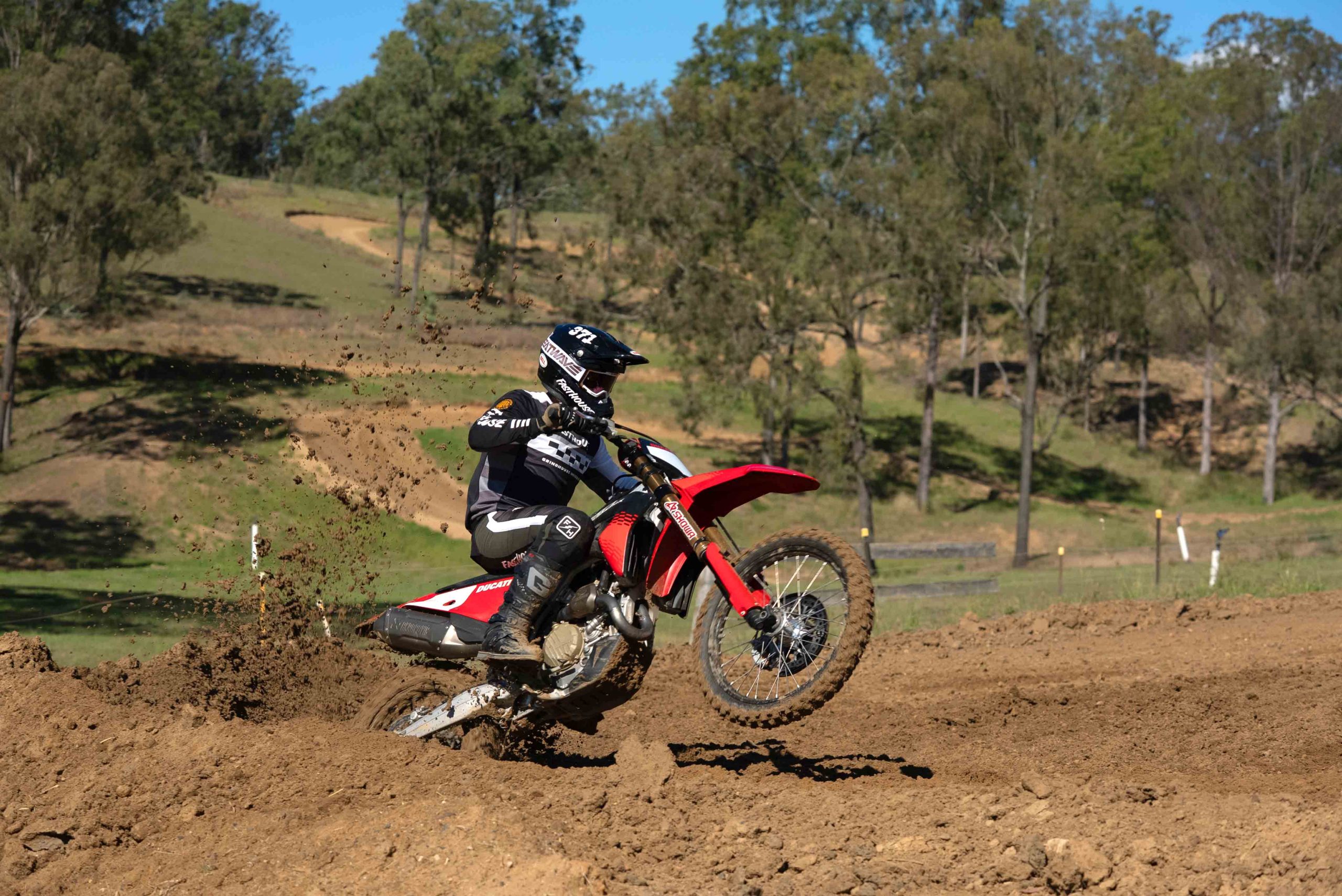
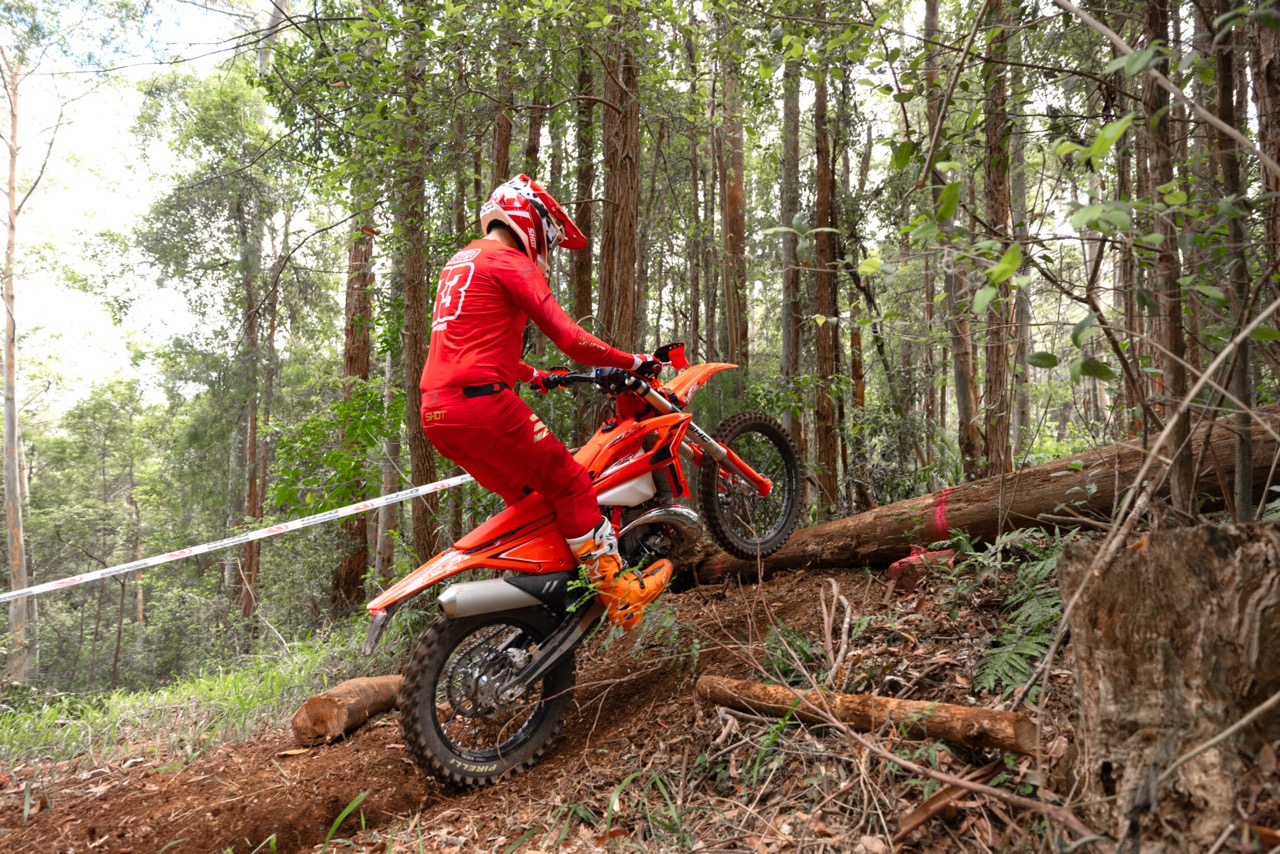
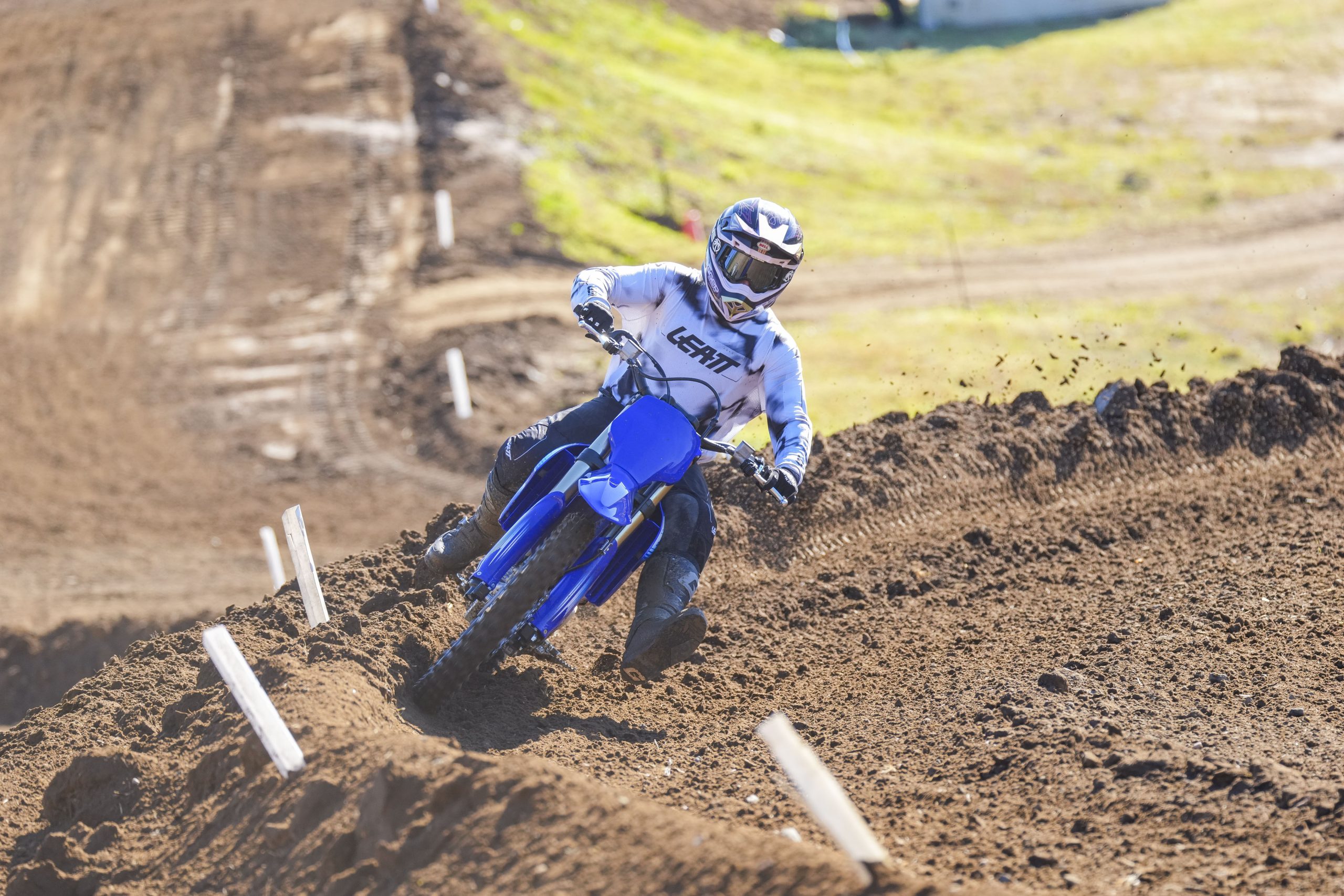
There are certain rivalries in life that just make sense. Coke v Pepsi. Ford v Holden. State of Origin. And then there’s the old one that runs deeper than most — Great Britain v Japan. Polite handshakes on the surface, decades of history underneath, and a healthy dose of “ours is better than yours” whenever machinery gets involved.
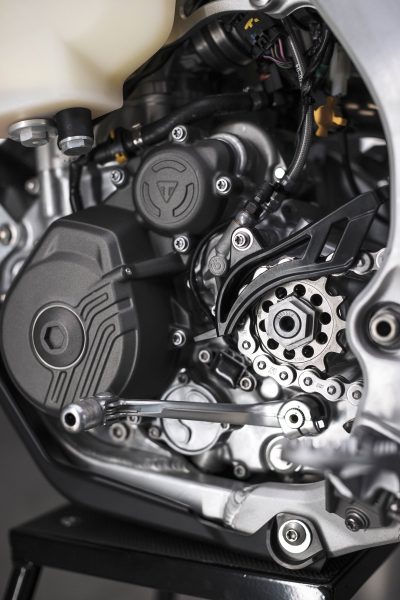
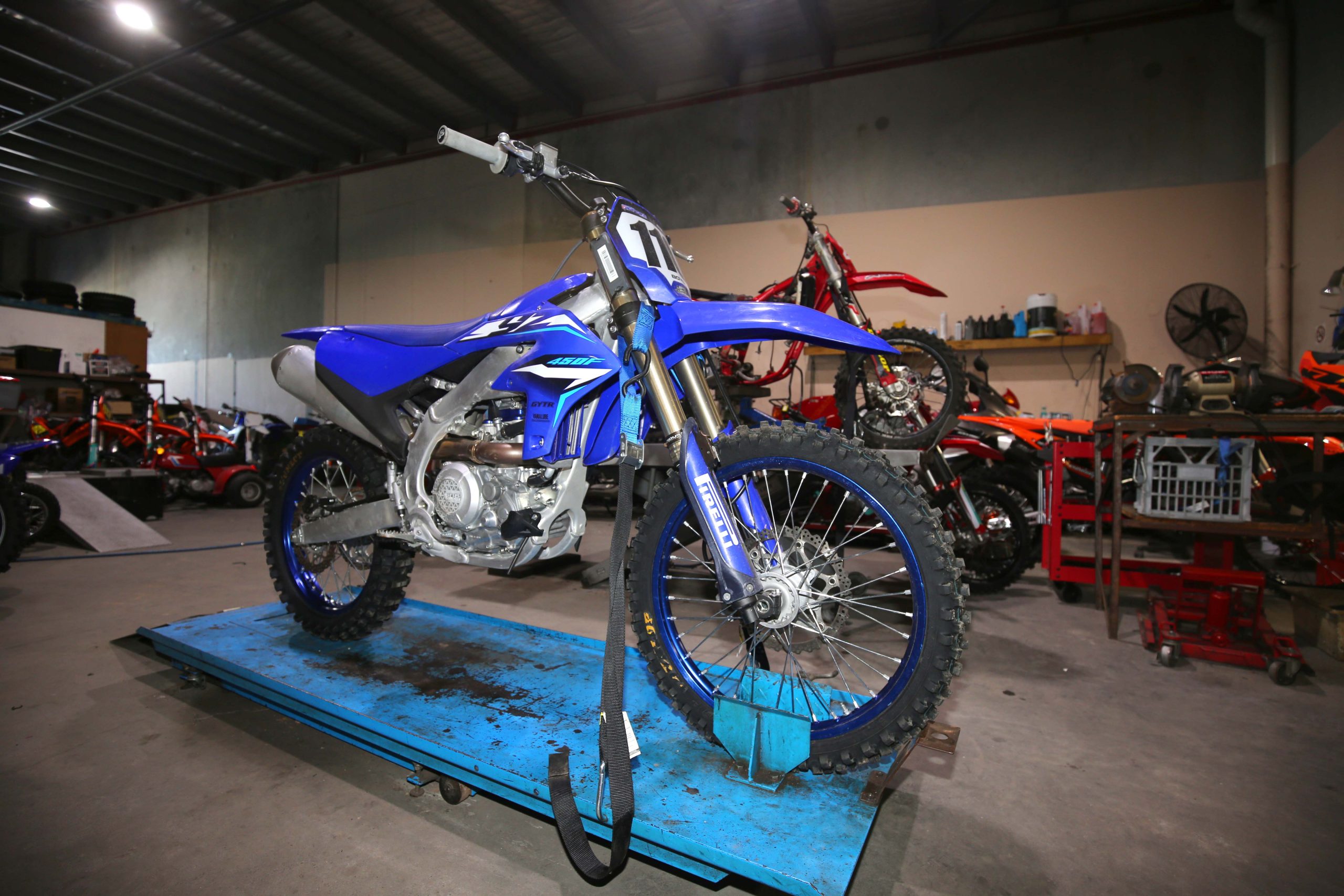
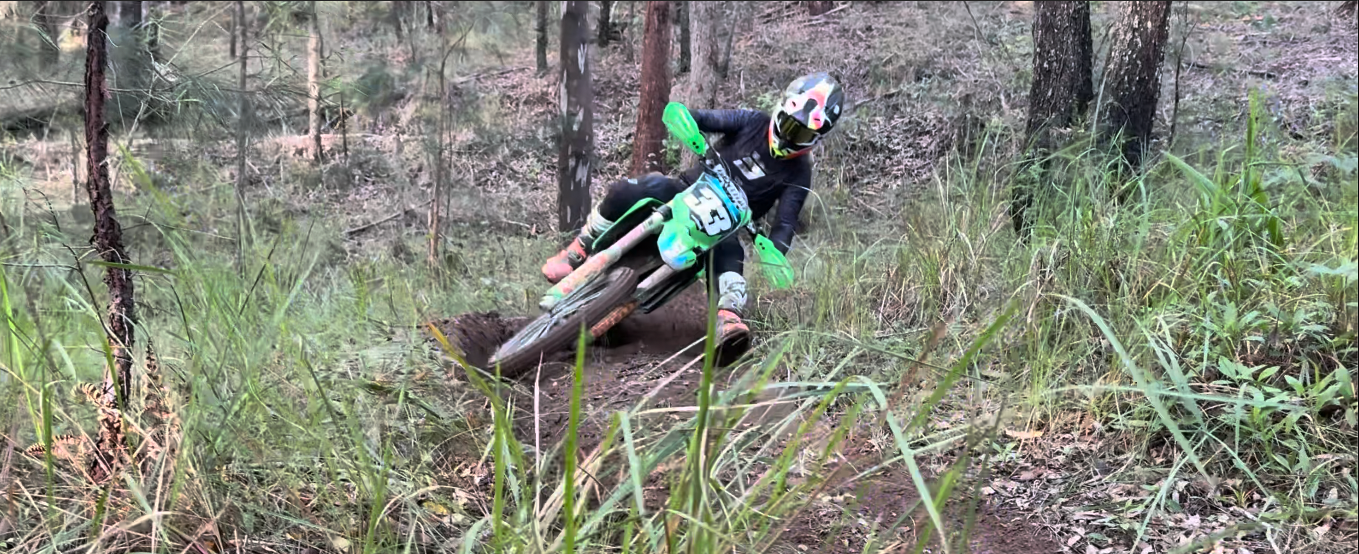
Enter the Triumph TF 250-E and TF 450-E on one side of the trench, flying the Union Jack and bringing that fresh-faced British confidence. On the other, the long-established benchmark pairing of the Yamaha WR250F and WR450F, Japan’s blue-chip enduro weapons that have been winning races and filling sheds for years. Similar silhouettes, KYB suspension, alloy frames, and suddenly the internet decides they must be the same bike in different accents.
We’ve heard it constantly since Triumph dropped their enduro models. “Aren’t they basically just Yamahas with a Euro motor?” “Same frame style, same suspension, must feel the same.” It’s an easy conclusion to jump to when spec sheets line up and KYB logos appear in both camps. But having ridden them separately — and now back-to-back — we can tell you straight up: they are not the same motorcycle wearing different plastics.
So this was our chance. No keyboard warriors, no forum hot takes. Just proper ride time, same conditions, same riders, same expectations. Great Britain versus Japan. The old enemy, round one but this time fought with handlebars, knobbies and stopwatch honesty.
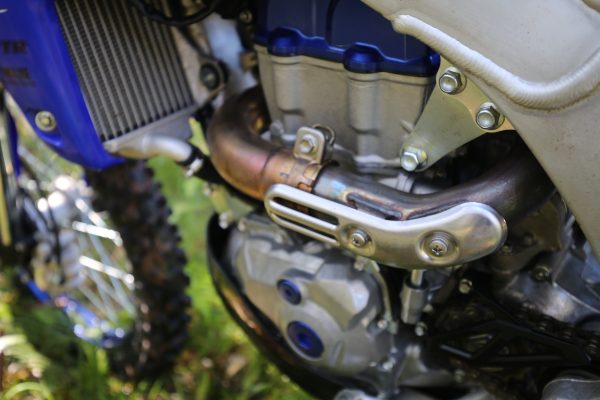
How they compare
At a glance, it’s easy to see why people lump the Triumph TF-E models and Yamaha WR-F models together. Alloy frames. KYB suspension. 21/18 wheels. Same seat height. Same enduro intent. But once you start pulling the spec sheets apart, the similarities become more surface-level than structural.
Let’s start with the 250s.
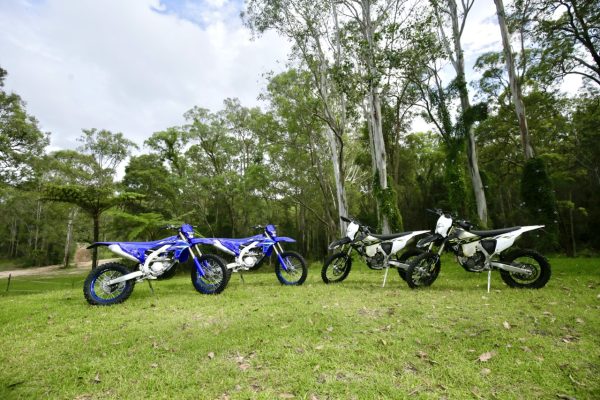
WR250F vs TF 250-E:
Both bikes run liquid-cooled, four-stroke singles with DOHC heads, but they go about it differently. The Yamaha WR250F runs a 77.0 x 53.6mm bore and stroke with a 13.8:1 compression ratio and a wet sump lubrication system. Triumph’s TF 250-E goes slightly more oversquare at 78mm x 52.3mm, bumps compression up to 14.4:1, and pairs it with a Dellorto 44mm cable throttle EFI system.
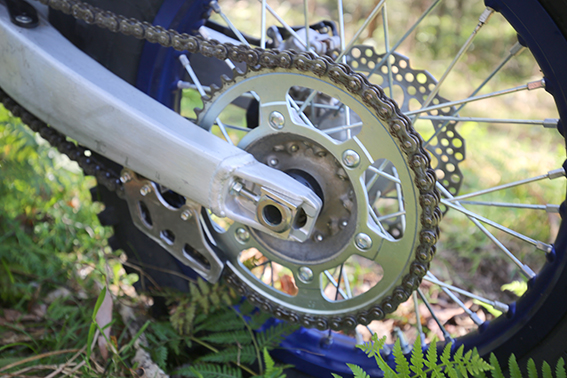
Gearboxes are both six-speed units, but Triumph adds a hydraulic clutch as standard, whereas Yamaha sticks with a conventional cable-actuated setup. Final drive ratios differ too, with Triumph running a 13/51 setup out of the crate.
Fuel capacity is another point of difference. Yamaha carries 7.4 litres, while Triumph stretches that to 8.3 litres. Not a massive jump, but noticeable for longer loops.
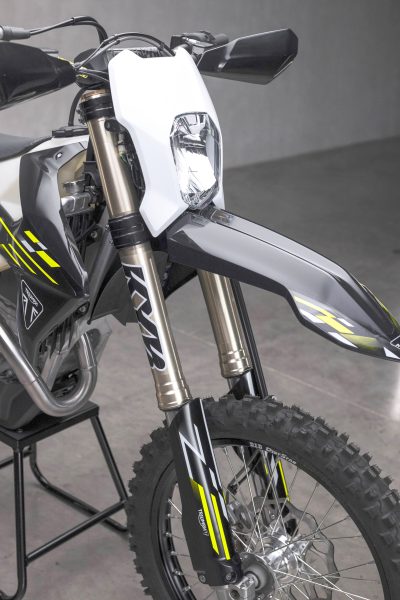
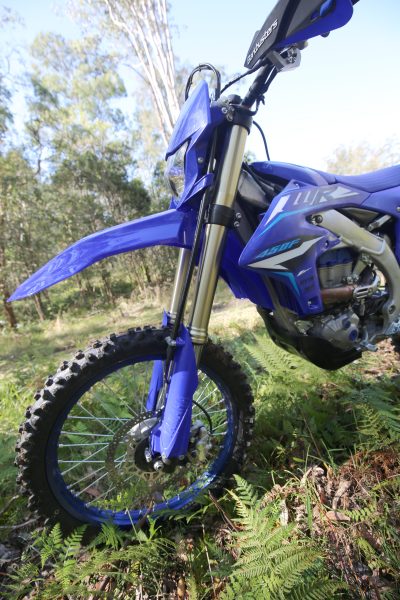
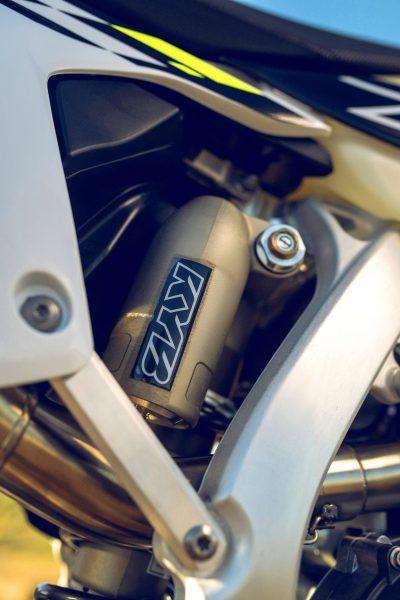
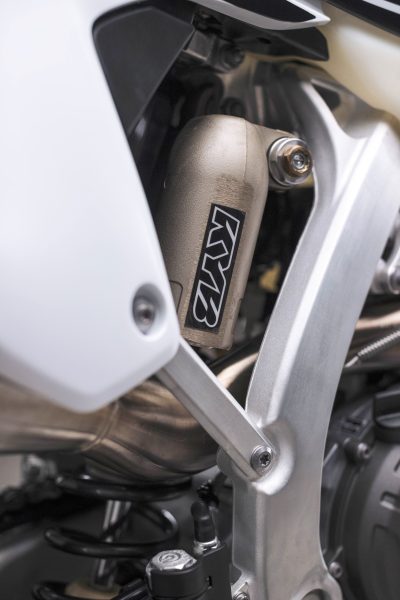
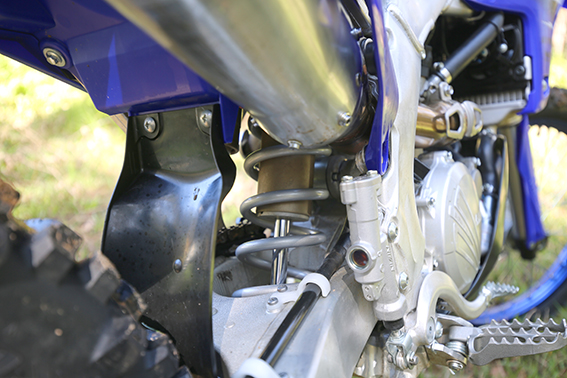
Chassis-wise, Yamaha uses its long-standing bilateral beam aluminium frame, while Triumph runs an aluminium spine and double cradle design. Both bikes use KYB suspension with 300mm of travel up front, but the Triumph offers 313mm at the rear versus Yamaha’s 306mm.
Dimensionally, they’re close but not identical. Both sit at a 955mm seat height. The Triumph is slightly longer in wheelbase at 1488mm versus Yamaha’s 1470mm. Wet weight is within a kilo: 113kg for the WR250F and 114.2kg for the TF 250-E.
Where the Triumph clearly separates itself is in electronics and standard equipment. Out of the box, it includes traction control, launch control, a quickshifter, dual engine maps, Brembo brakes with Galfer discs, DID DirtStar wheels, Michelin Enduro 2 tyres, and premium cockpit hardware. The Yamaha WR250F also has a suite of electronic gadgets just supplied differently with a mapping switch on the handlebar and a phone app that lets you adjust traction control, further customise maps and stay on top of the bikes other vital organs. The Yamahas come with Dunlop tyres and Nissin brakes.
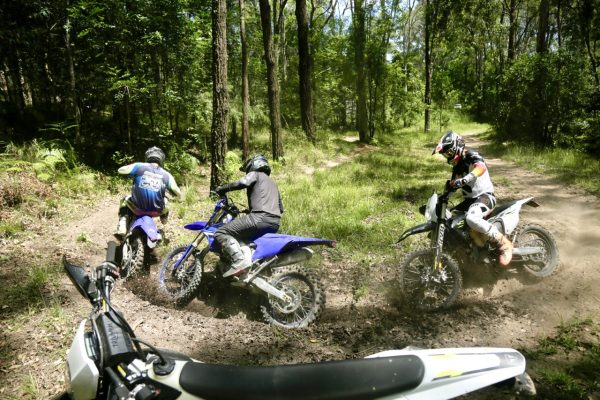
WR450F vs TF 450-E
Move up to the big-bore machines and the philosophies diverge even more.
The Yamaha WR450F runs a 450cc DOHC engine with a 97.0 x 60.8mm bore and stroke, 13.0:1 compression, and a dry sump lubrication system. It uses a five-speed gearbox and retains Yamaha’s long-standing engine architecture.
The Triumph TF 450-E, by contrast, runs a 449.9cc single with a 95mm x 63.4mm bore and stroke and a slightly lower 12.8:1 compression ratio. It uses a SOHC head rather than DOHC and pairs it with a six-speed gearbox. Like the 250, the Triumph uses a hydraulic clutch, and again runs a 13/51 final drive ratio.
Fuel capacity again favours the Triumph at 8.3 litres versus Yamaha’s 7.4 litres.
Suspension travel is consistent with the 250 comparison: 300mm front for both, but 313mm rear on the Triumph versus 306mm on the Yamaha. Both run KYB 48mm coil spring forks with full adjustment.
Braking hardware separates the two further. Yamaha uses a 270mm front disc and 240mm rear with a Nissin hydraulic system, while Triumph fits a 260mm Galfer front disc with Brembo two-piston caliper and a 220mm rear with Brembo hardware.
Dimensionally, both bikes share a 955mm seat height. Triumph again runs a longer wheelbase at 1488mm compared to Yamaha’s 1470mm. Wet weights are close: 117kg for the WR450F and 116.7kg for the TF 450-E.
The electronic wizardry is the same on the 450s as they are the 250s.
Yes, both brands use KYB suspension. Yes, both use aluminium frames. Yes, both share the same seat height. But the details tell a different story.
The Triumphs carry more fuel, slightly longer wheelbases, different engine architecture (especially in the 450 with SOHC vs DOHC), different gearbox layouts, hydraulic clutches, and different brake hardware. Even the frame construction philosophy isn’t the same.
Now the real question: what does all that mean once you actually ride them back-to-back?
The 450s: Race Weapon vs Ride Weapon
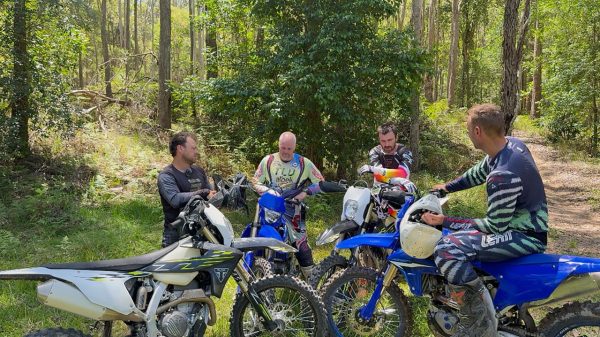
The first real hit came when Briggsy rolled back in after a hot lap on both 450s. One’s a race bike and one’s a 450 enduro bike, he said flatly.
The Yamaha WR450F doesn’t behave like the old-school WR Australians grew up trail riding. The 2026 feels fast, properly fast. Not just quick for a trail bike, but genuinely aggressive. It almost feels like they’ve dropped a motocross engine in there with a slightly softer setup and called it an enduro. Which essentially they have.
Out of corners, especially in third gear, the thing charges. It sits up in its stroke. It feels 5 to 10 percent firmer, faster, taller. There’s an edge to it. A race feel. It wants revs. It wants commitment. And when you give it that, it absolutely lights up.
But that aggression comes at a cost. You have to be in shape. You have to be switched on. If you’re riding deep sand or hybrid motocross-style AORC tracks, that WR450F is a weapon. In South Australian sand country, it would be unbelievable. In loamy grass track conditions, it makes perfect sense.
In tight bush, though, or long cross-country loops, the conversation shifts. Jump off the Yamaha and onto the Triumph TF 450-E and the tone changes immediately. The Triumph feels softer. More compliant. More forgiving. It doesn’t beat you up. It flows. It’s easier to carry speed through corners without feeling like it’s trying to rip your arms off.
We believe that in cross-country it would be night and day better simply because it’s so much easier to ride. It doesn’t demand you be racing at 100 percent to enjoy it.
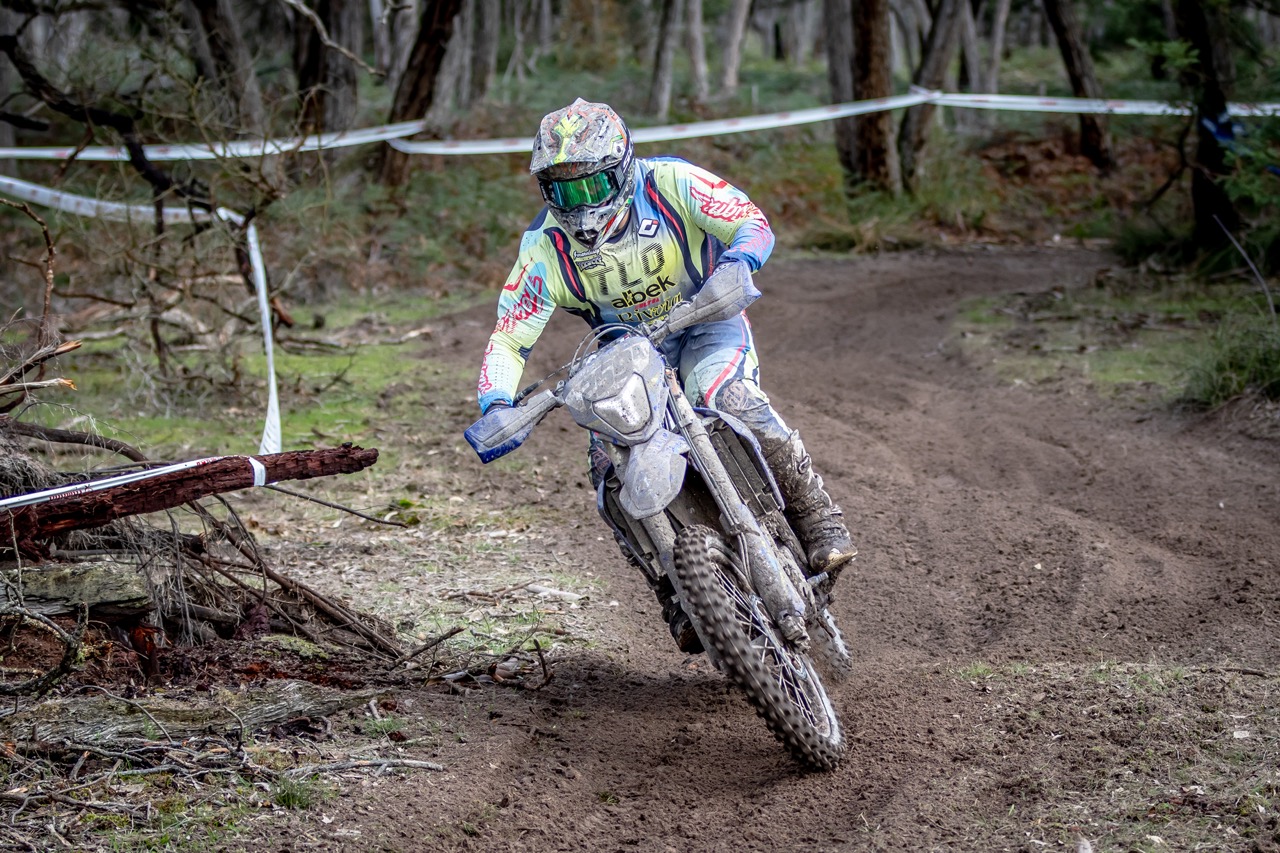
Wes, being the smallest rider in the group, felt it in a different way. The Triumph gave him more comfort to try things like tight turns, awkward lines, sketchy tree roots, without overthinking them. On the Yamaha, because it feels firmer and more motocross-influenced, you have to modulate it properly. If you’re not at that ability level, you start thinking about what might happen instead of just riding.
The WR makes you smile because you’re thinking, holy hell, how fast is this thing. The Triumph makes you smile because you’re comfortable. That’s a big difference.
The Gearbox Question That Won’t Go Away
Then there’s the six-speed versus five-speed debate — something WR owners have argued about for years. The Triumph runs a six-speed gearbox. The Yamaha sticks with a wide-ratio five-speed.
In the bush, the six-speed feels more forgiving. You can carry third longer, sit lower in the rev range, and ride more off the bottom without constantly stabbing at the shifter. It doesn’t beat you up as much. You’re not constantly chasing the perfect gear.
On the WR, second gear is aggressive. You click third and suddenly realise how fast you’re actually going. It works brilliantly when you’re attacking, especially in sand, but in tight terrain it feels busier.
In deep sand, though, that five-speed suddenly makes sense. It keeps the engine in its sweet spot and rewards that hard, revvy style. Again, it’s not about better or worse. It’s about intent.
The 250s: Closer, But Still Different
If the 450s are clearly divided, the 250s are closer, but the personality gap is still there.
The WR250F feels race-focused. It wants to rev. It feels like it belongs at a state round. It’s responsive in the mid and top, and when you ride it hard, it rewards you. It’s energetic. Noisy. Busy in a good way.
The Triumph TF 250-E feels calmer. Smoother. It has a more usable bottom-end feel out of corners. Rolling it on in slippery conditions feels easier and more controlled. It doesn’t feel like it’s begging to be wrung out.
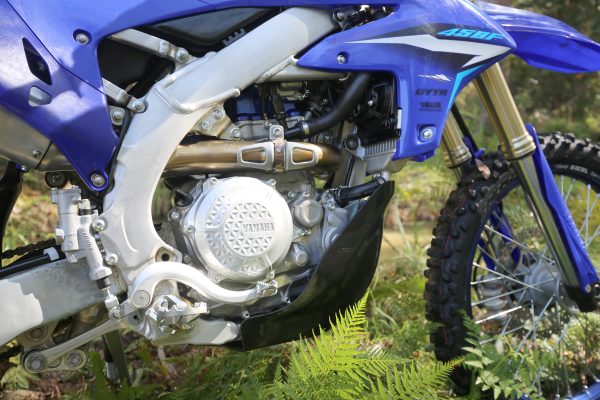
Coming out of corners, the Triumph feels like it’s got a little more initial push. The Yamaha comes alive once you’re in the mid-range. Once it hits that zone, it’s strong.
The gap between the two 250s isn’t as dramatic as the 450s, but the flavour difference remains. The Yamaha feels racier and firmer. The Triumph feels easier and more compliant.
The Unexpected Twist
What surprised everyone was how the 450 conversation ended. Mitch admitted that if he walked into a dealership tomorrow, he’d probably lean toward the TF 450-E. And that’s coming from someone who bangs on about how 450s should only be ridden by pros.
Not because it was the fastest. Not because it was the most intimidating. Because it was the most fun.
The Triumph 450, in particular, felt easy and enjoyable. The track we were on was tight and technical, and yet it still felt manageable. For someone who rides bikes as toys to make them happy, that mattered more than outright aggression. That’s never been the case before.
The WR impressed massively for Braico and Briggsy who are getting ready to race the Australian Enduro Championship this year. It’s racy. It’s firm. It feels like Yamaha has deliberately pushed it closer to its motocross sibling. It feels more like a motocross bike with a headlight than the Triumph.
But the Triumph feels like something you can ride all day, every day, and still line up at a race on Sunday. One is your pride and joy race weapon. The other is your everyday sports car that still punches hard when asked.
Britain Didn’t Copy Japan
At the end of the day, these bikes aren’t separated by suspension brands or frame material. They’re separated by philosophy.
The Yamahas feel firmer, racier, more motocross-influenced. They reward aggression and fitness. They feel like they want to be raced hard.
The Triumphs feel more compliant, smoother, easier to ride. They’re forgiving. They let you relax. They still have performance, but they don’t demand it from you.
They’re further apart than even the motocross versions we’ve tested.
Great Britain didn’t copy Japan. Japan didn’t soften for Britain.
They’ve just built two completely different answers to the same question. And that’s what makes this old rivalry interesting again.
| Category | Yamaha WR250F | Yamaha WR450F | Triumph TF 250-E | Triumph TF 450-E |
| Engine Type | Liquid-cooled, 4-stroke, DOHC, 4-valve | Liquid-cooled, 4-stroke, DOHC, 4-valve | 1-cyl, 4-stroke DOHC | 1-cyl, 4-stroke SOHC |
| Displacement (cc) | 250.0 | 450.0 | 249.9 | 449.9 |
| Bore x Stroke | 77.0 x 53.6 mm | 97.0 x 60.8 mm | 78.0 x 52.3 mm | 95.0 x 63.4 mm |
| Compression Ratio | 13.8 : 1 | 13.0 : 1 | 14.4 : 1 | 12.8 : 1 |
| Lubrication System | Wet sump | Dry sump | — | — |
| Fuel Management | EFI | EFI | Dellorto 44mm EFI | Dellorto 44mm EFI |
| Starter System | Electric | Electric | Electric | Electric |
| Transmission | 6-speed | 5-speed | 6-speed | 6-speed |
| Frame Type | Bilateral beam aluminium | Bilateral beam aluminium | Aluminium spine & double cradle | Aluminium spine & double cradle |
| Front Suspension | KYB 48mm forks, 300mm travel | KYB 48mm forks, 300mm travel | KYB 48mm coil, 300mm travel | KYB 48mm coil, 300mm travel |
| Rear Suspension | KYB Link swingarm, 306mm travel | KYB Link swingarm, 306mm travel | KYB coil, 313mm travel | KYB coil, 313mm travel |
| Front Brake | Nissin single disc, 270mm | Nissin single disc, 270mm | Galfer 260mm Brembo | Galfer 260mm Brembo |
| Rear Brake | Nissin single disc, 240mm | Nissin single disc, 240mm | Galfer 220mm Brembo | Galfer 220mm Brembo |
| Front Tyre | 90/90-21 Dunlop MX32 | 90/90-21 Dunlop MX32 | 90/90-21 Michelin Enduro 2 | 90/90-21 Michelin Enduro 2 |
| Rear Tyre | 140/80-18 Dunlop MX32 | 140/80-18 Dunlop MX32 | 140/80-18 Michelin Enduro 2 | 140/80-18 |
| Seat Height (mm) | 955 | 955 | 955 | 955 |
| Wheelbase (mm) | 1470 | 1470 | 1488 | 1488 |
| Ground Clearance (mm) | 330 | 330 | — | — |
| Wet Weight (kg) | 113 | 117 | 114.2 | 116.7 |
| Fuel Tank Capacity (L) | 7.4 | 7.4 | 8.3 | 8.3 |
| Standard Features | Traction Control, multiple maps, via Yamaha PowerTuner App | Traction Control, multiple maps, via Yamaha PowerTuner App | Traction Control, Launch Control, Quickshifter, Dual maps, premium wheels/tyres, bar/clamp upgrades | Traction Control, Launch Control, Quickshifter, Dual maps, premium wheels/tyres, bar/clamp upgrades |