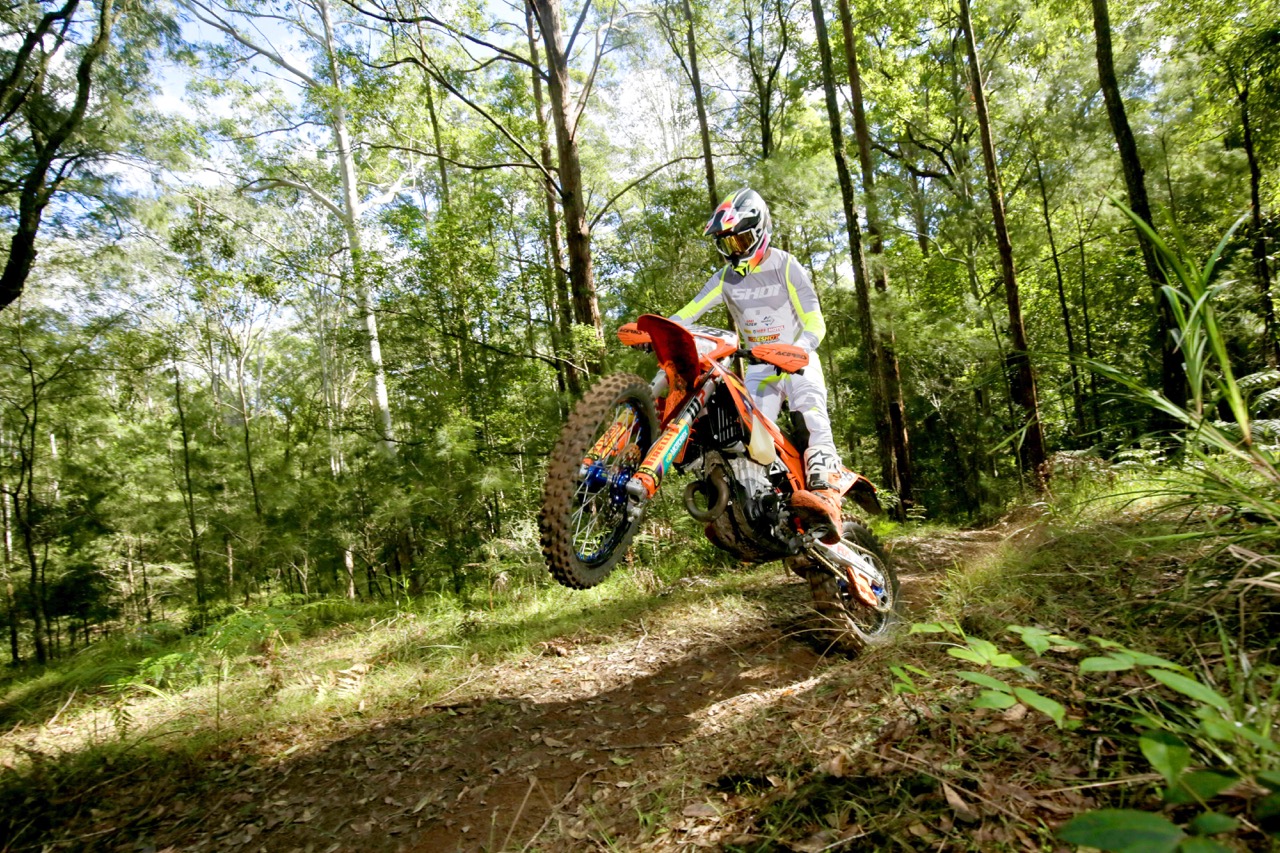
There are bikes that impress you with outright horsepower. There are bikes that blow you away with technology. Then there are bikes that simply make you smile every time you throw a leg over them. The 2026 Beta RR 200 X-Pro falls squarely into that last category.
On paper, a 200cc two-stroke probably doesn’t sound that exciting. Most riders naturally gravitate towards the bigger capacities because more cubic centimetres usually means more power, more torque and, in many people’s minds, more capability which means more fun. But after spending time on Beta’s smallest full-sized enduro weapon, I honestly think they’re missing the point.
The RR 200 X-Pro has carved out its own little niche in the market, and after riding it, I completely understand why Beta continues to invest in this engine capacity while every other manufacturer has walked away from it.
TECH TALK
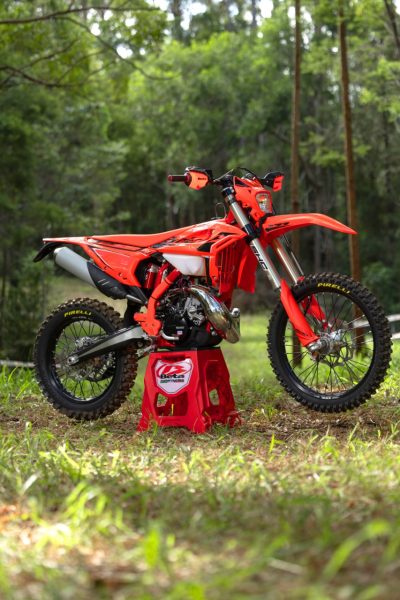
The RR 200 X-Pro shares the same philosophy as the rest of Beta’s X-Pro range, with the Italian manufacturer focusing on making the bikes easier to ride while maintaining genuine enduro capability. The chassis is built around a molybdenum steel double-cradle frame and is matched to a 48mm hydraulic upside-down fork and progressive-link rear shock. With 295mm of front wheel travel, 290mm at the rear and a dry weight of just 97kg, it’s one of the lightest full-sized enduro bikes on the market.
Power comes from a liquid-cooled 190.2cc two-stroke engine featuring Beta’s BPV exhaust valve system, electric start and a Keihin PWK36 carburettor. Fuel and oil delivery remain beautifully simple, with electronic oil injection eliminating the need to premix fuel, while a six-speed gearbox keeps the engine in its sweet spot whether you’re crawling through technical singletrack or winding it out on faster fire roads.
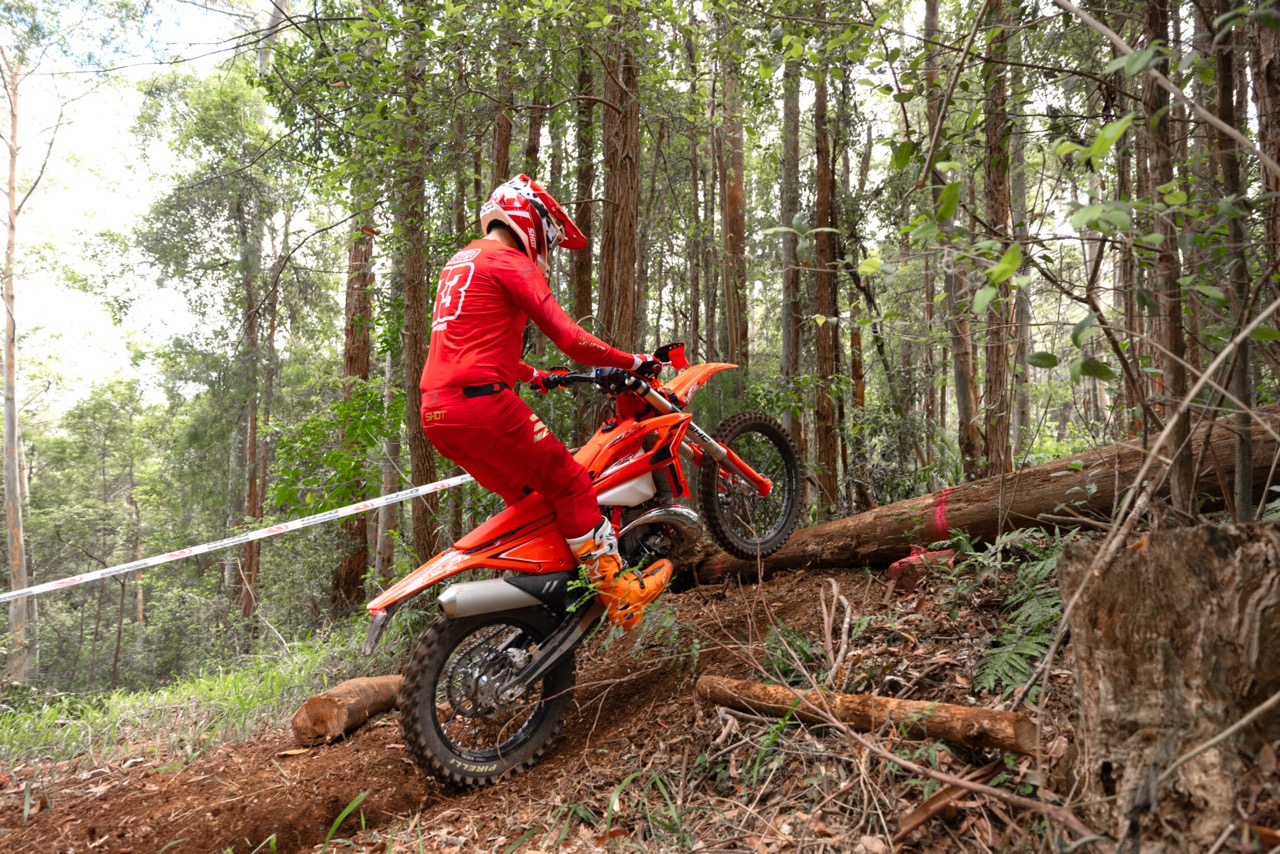
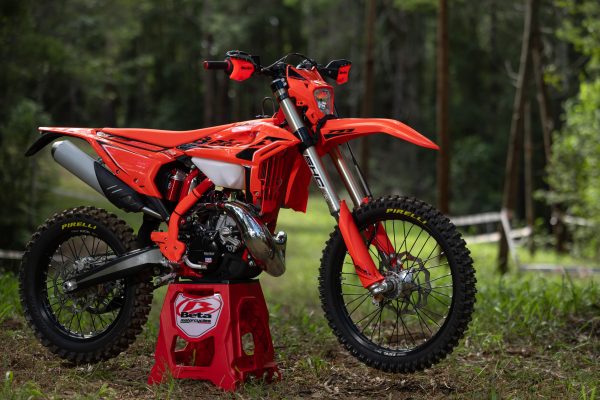
Like the rest of the X-Pro family, the bike carries Beta’s distinctive 2026 styling package, with the all-red colour scheme separating it visually from the Race models. Personally, I think it’s one of the best-looking enduro bikes on the market at the moment. The red frame, red plastics and clean graphics give it a really premium look without trying too hard, and the overall fit and finish is exactly what I’ve come to expect from Beta over the past few years.
THE SWEET SPOT
I’ve always been a bit of a 125 guy. There’s just something about riding a little two-stroke hard that I’ve always enjoyed. They reward good technique, they make you work for your speed and when you get everything right they’re incredibly satisfying to ride. The only downside is that as you get older, they also become a lot more work. You spend your whole day smashing on the gear lever and clutch, trying to keep them singing, and by the end of the ride you’re usually completely flogged.
That’s where this RR 200 X-Pro really surprised me. It’s not a 125 because it’s got noticeably more torque and a broader spread of power. At the same time, it’s nowhere near as aggressive or demanding as a 250 two-stroke. Instead, it sits perfectly in the middle and creates its own identity, which is actually much harder to explain until you ride one.
The best way I can describe it is that it’s a little pocket rocket. It’s still incredibly light and playful, but it has just enough extra bottom-end that you’re not constantly chasing gears or trying to keep the engine right on the pipe like you are a 125. You can be a little lazier with your riding, but you still get all the fun that comes with a lightweight two-stroke.
I honestly think Beta has nailed the balance. Rather than trying to impress you with power that most people can’t tame, it encourages you to attack the trail because it feels so manageable underneath you. Every corner becomes an excuse to carry more momentum, every little rise becomes something to jump off and every technical section suddenly looks a whole lot easier than it did five minutes earlier.
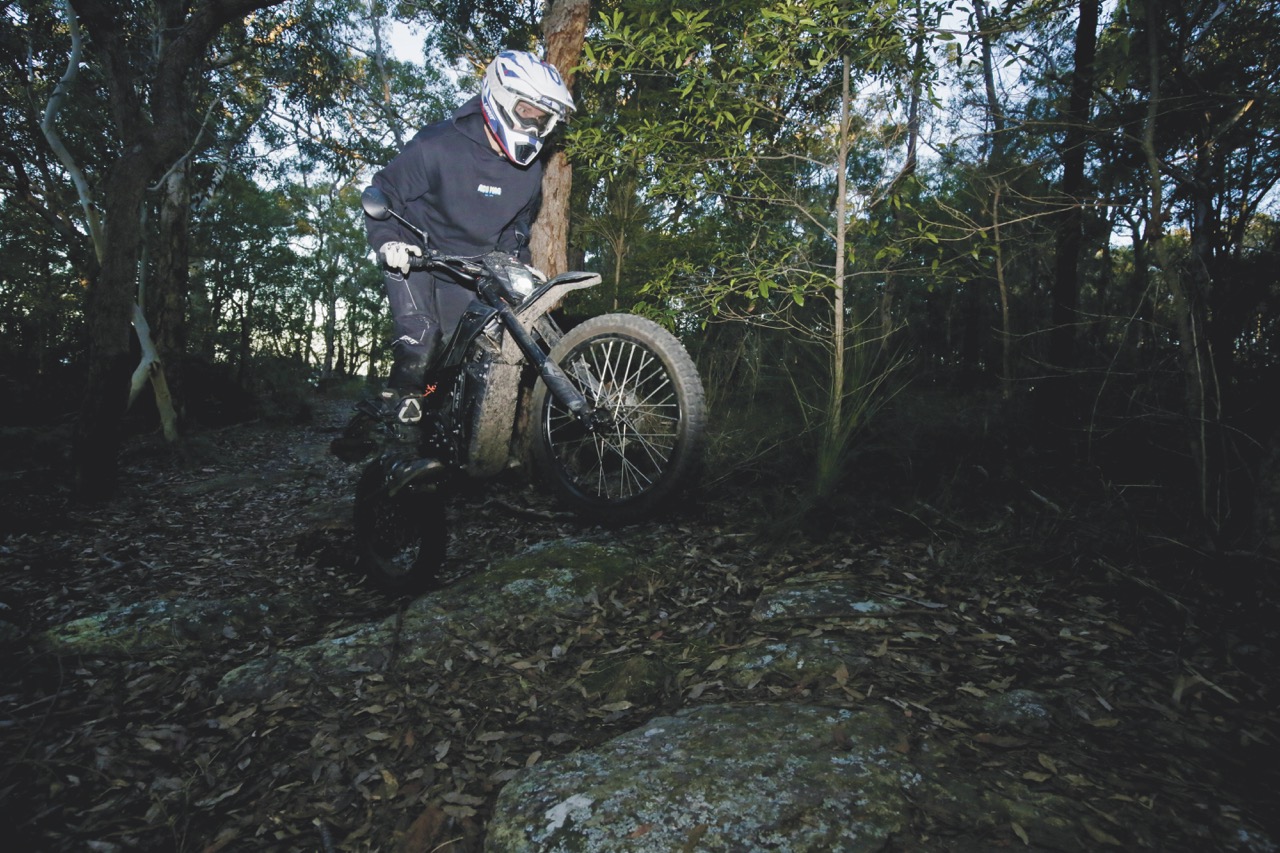
One thing that really stood out to me was how forgiving the engine is. We had a few technical little climbs and awkward sections throughout the test loop, so naturally I tried to see if I could catch it out. I deliberately lugged the engine in first and second gear, dropped the revs well below where I normally would and honestly expected it to cough, splutter or stall. It just wouldn’t do it.
Every single time the little 200 simply crawled its way out of trouble. There was enough torque there to keep driving forward without needing to abuse the clutch, and before I knew it I’d cleared another obstacle without any drama at all. It was actually really impressive just how tractable the engine felt for such a small-capacity two-stroke. That’s another reason I think this bike fills such an important role.
BALANCED WHERE IT COUNTS
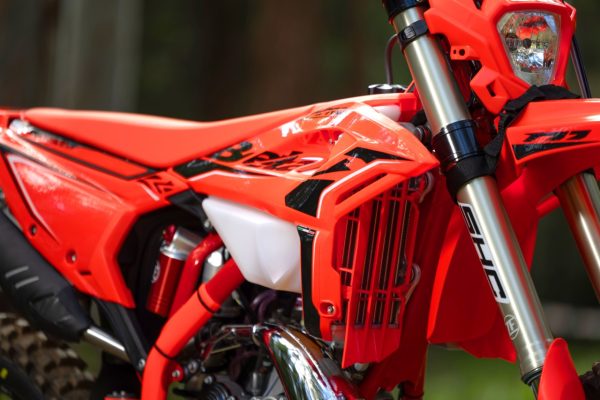
One thing I’ve spoken about before with the X-Pro range is the ZF suspension. On some of the bigger-capacity bikes I’ve ridden, I’ve found it a little soft for my liking once you start pushing the pace. It’s incredibly comfortable and confidence inspiring, but as someone who tends to ride fairly aggressively, I usually want a bit more support from the front-end.
The funny thing is, on the RR 200 X-Pro, I think the suspension package actually works the best out of the whole range. The lighter engine, lower overall weight and reduced inertia all seem to complement the softer settings, giving the bike a really balanced feel. Rather than feeling under-sprung, everything works together in harmony, which makes the bike incredibly easy to ride.
If I owned one, I’d probably still fit slightly firmer fork springs just to suit my personal preferences. I like a little more hold-up under brakes and through faster chop, so that’s a change I’d make after spending some time with the bike. But that’s not because anything is wrong with the standard setup – it’s simply because suspension is always personal, and I tend to like a firmer feel than most trail riders.
For the rider this bike is aimed at, I honestly think Beta has got the balance pretty close. It absorbs rocks, roots and trail junk well without ever feeling harsh, and because the bike itself is so light, you’re never really fighting it. Instead, you’re just flowing through the trail and letting the chassis do what it was designed to do.
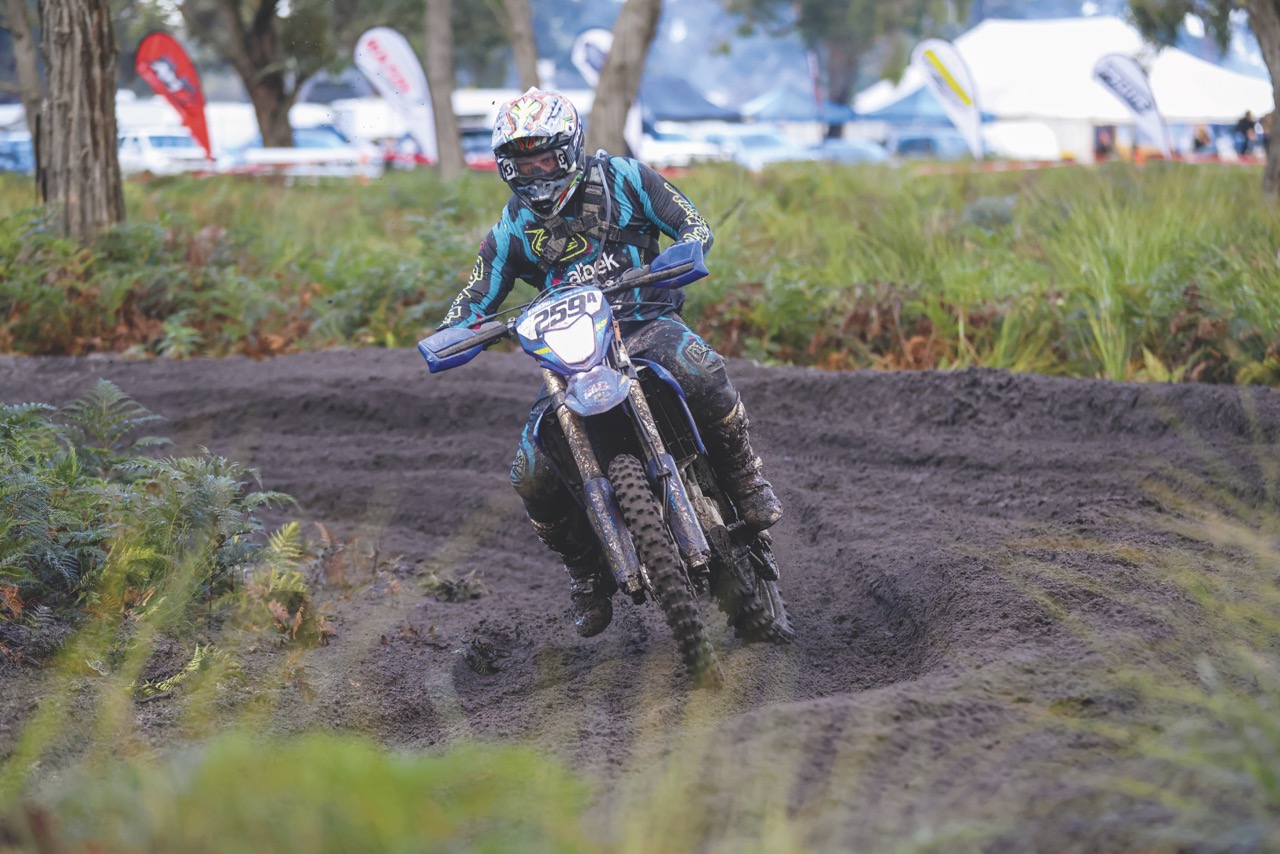
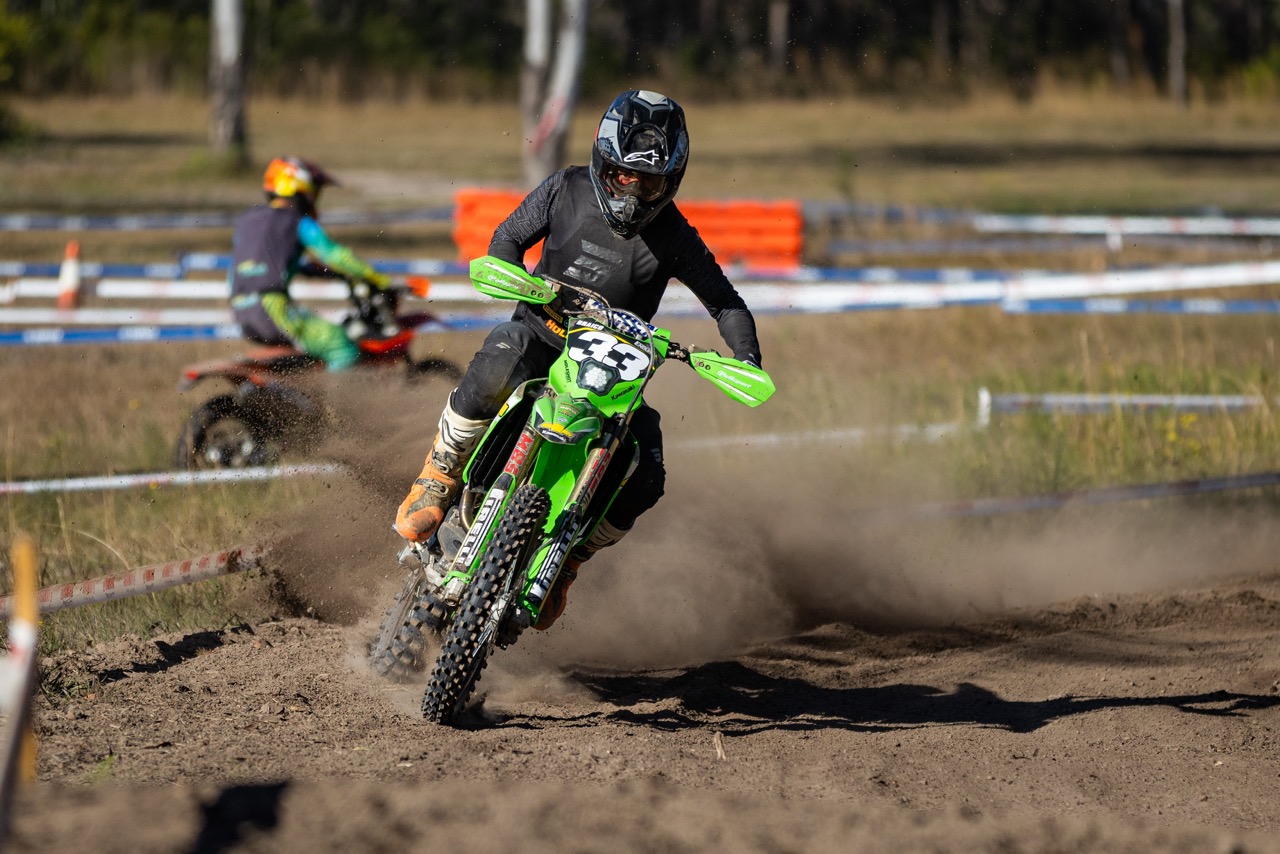
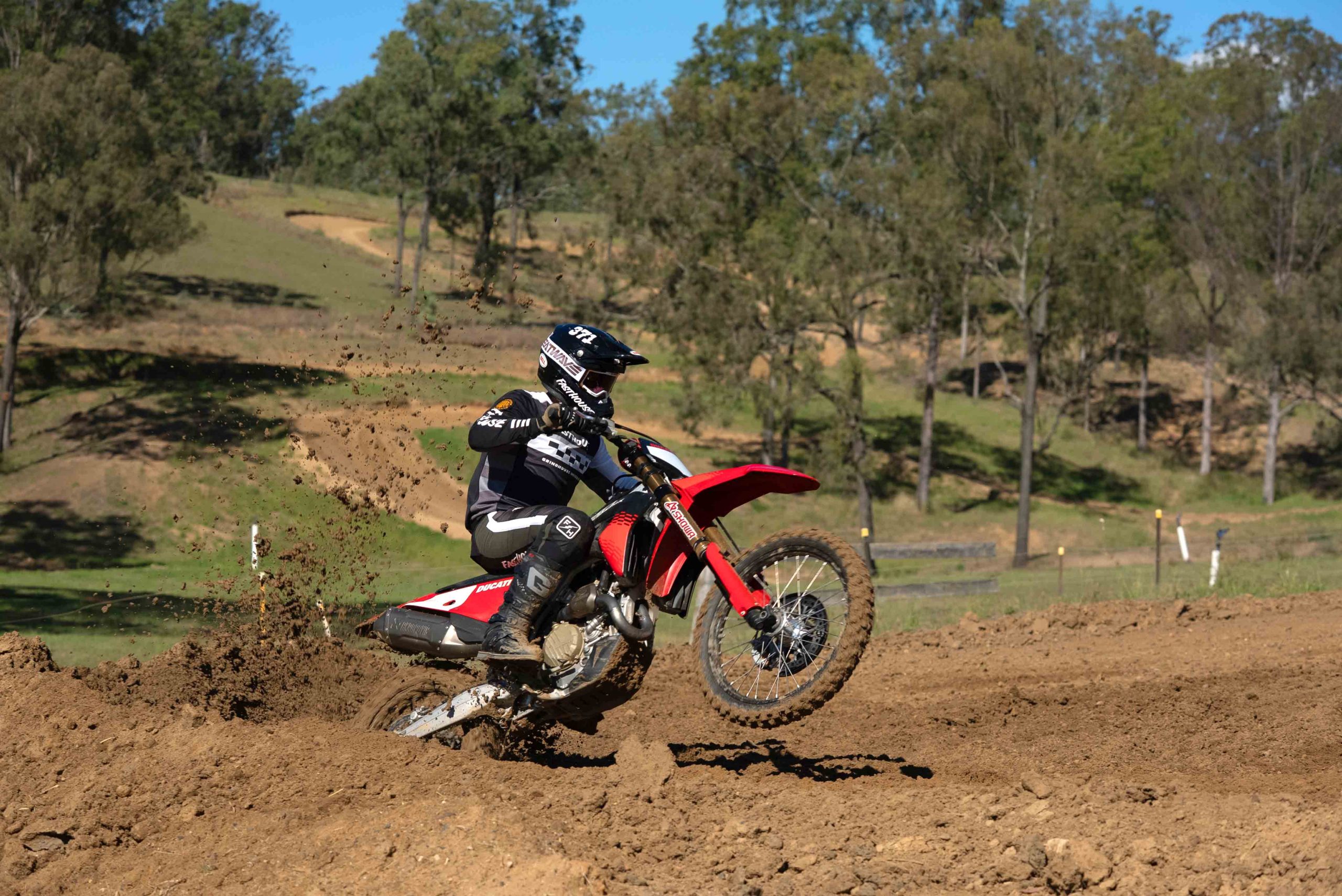
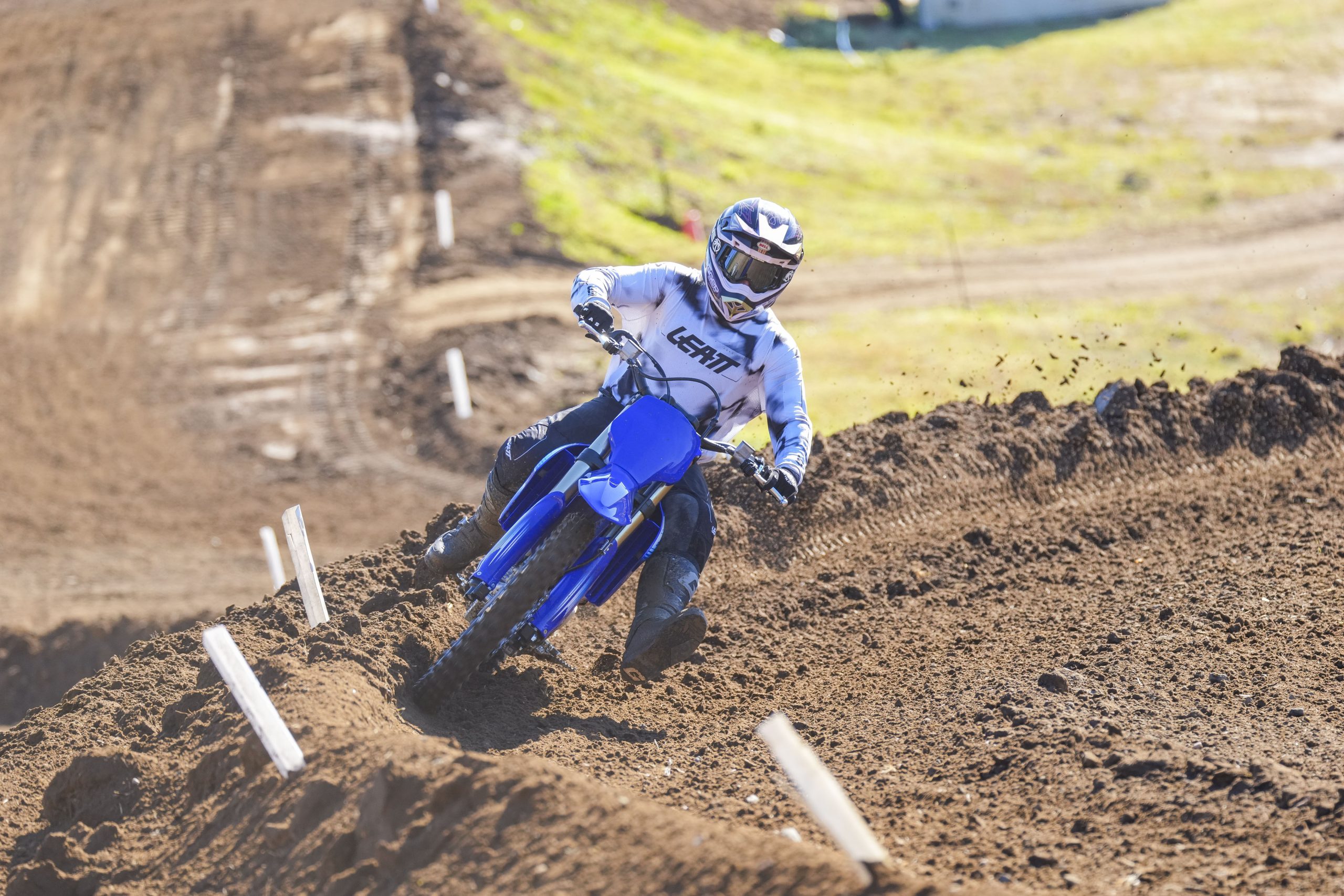
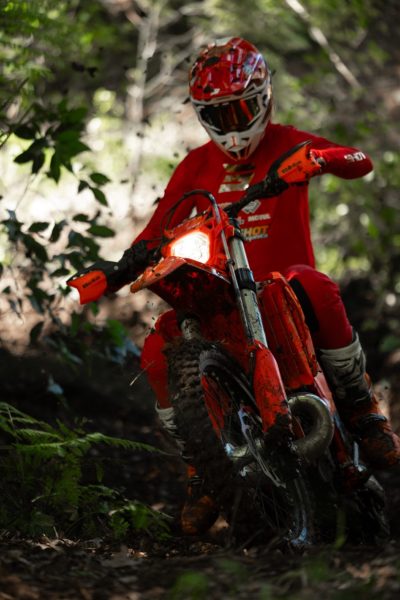
That feeling became even more obvious when I jumped onto the grass track. The little 200 absolutely loved carrying momentum through the corners and rewarded smooth riding more than anything else. You could really attack the entries, keep the revs up and let the bike dance underneath you, which is exactly where it started putting the biggest smile on my face.
I actually found myself wishing there were even more ruts. The deeper the corners get and the more you can commit to carrying corner speed, the more this bike comes alive.
That’s probably what impressed me most throughout the day. Every lap I found myself riding faster without really trying to ride faster. The bike gives you confidence because it’s predictable, light and forgiving, so you naturally start pushing your braking markers a little later and carrying more speed through the turns without ever feeling like you’re wrestling with it.
It also doesn’t punish you if you get something wrong. If you come into a corner a gear too high, the engine has enough torque to pull itself through. If you get lazy with your clutch in a technical section, it simply keeps chugging along. If you need to change your line halfway through an obstacle, the lightweight chassis lets you flick the bike around without feeling like you’ve made a huge mistake.
If Looks could kill
It’s also worth mentioning just how good the bike looks. Beta has absolutely nailed the styling with the X-Pro range. The all-red colour scheme, matching red frame and clean graphics really give the bike its own identity. Personally, I actually prefer it over the Race models because it looks a little cleaner and more purposeful, and when it’s sitting in the pits it definitely stands out from the crowd.
The overall fit and finish is exactly what I’ve come to expect from Beta these days. Everything feels well put together, the plastics fit properly, the controls feel quality and there aren’t any little details that let the bike down. You can tell they’ve spent time refining these motorcycles over the years because they feel every bit as premium as anything else in the class.
Who does it suit?
The RR 200 X-Pro won’t be the bike that wins the horsepower war, and I don’t think Beta ever intended it to. Instead, they’ve built something that’s approachable, confidence inspiring and ridiculously fun to ride. Sometimes that’s exactly what you want from a dirt bike.
For younger riders coming off an 85, I think it’s almost the perfect transition into full-sized enduro riding. For older riders like myself, it offers all the playfulness of a small-capacity two-stroke without demanding the constant effort of a 125.
At the end of the day, not every dirt bike has to be about outright speed. Sometimes the best bikes are the ones that leave you grinning from ear to ear every time you climb off them, and that’s exactly what the RR 200 X-Pro did for me.
Makes sense
Talking with the Beta guys during the day of testing, they explained that the RR 200 X-Pro has become incredibly popular with younger riders moving off 85s, and after riding it I completely understand why. It isn’t intimidating, it has electric start, it’s lightweight and it gives developing riders a little more power without throwing them straight into the deep end of a 250.
That being said, this bike isn’t just for younger riders either. I can see plenty of older riders appreciating exactly what this bike offers. If you’re someone who loves the feel of a lightweight two-stroke but doesn’t necessarily want to work as hard as you do on a 125, this thing starts making an awful lot of sense. It gives you enough torque to make life easier while still delivering that playful, flickable character that makes smaller-capacity bikes so much fun to ride.
I also think it’s an awesome option for riders wanting to get into enduro or even hard enduro. Those disciplines have exploded in popularity over the past few years, particularly with younger riders, and this bike gives them a really manageable platform to learn on. Instead of trying to wrestle a bigger-capacity machine through technical terrain, they can concentrate on improving their skills and building confidence.
ENGINE
Engine Type: Single-cylinder, liquid-cooled 2-stroke
Displacement: 190.2cc
Bore x Stroke: 62.0 x 63.0mm
Compression Ratio: 13.65:1
Carburettor: Keihin PWK 36
Exhaust Valve: BPV system
Starter: Electric start
Ignition: Kokusan AC Digital CDI
Lubrication: Electronic oil injection
Clutch: Wet multi-disc, reverse opening
Transmission: 6-speed
SUSPENSION
Frame: Molybdenum steel double-cradle frame, split above the exhaust port
Front Suspension: ZF 48mm hydraulic USD fork, 295mm travel
Rear Suspension: ZF Monoshock with progressive linkage, 290mm travel
Front Brake: Nissin 260mm wave disc with twin-piston floating caliper
Rear Brake: Nissin 240mm wave disc with single-piston floating caliper
DIMENSIONS
Wheelbase: 1477mm
Seat Height: 930mm
Ground Clearance: 325mm
Dry Weight: 97.0kg (47.0kg front / 50.0kg rear)
Fuel Capacity: 9.5L, 2.3L reserve
TYRES
Front Tyre: Pirelli Scorpion MX32, 90/90-21
Rear Tyre: Pirelli Scorpion MX32, 140/80-18
RRP & Warranty
RRP: $16,345 Ride Away
Warranty: 6 months
Browser: www.betamotor.com.au