WHAT STYLE OF BIKE DO YOU LIKE?
Over the last few years I’ve switched brands a few times, so I’ve gained plenty of experience across different bikes and how they work, which has been good. But I also wanted to settle into something for consistency and continuity with Yamaha.
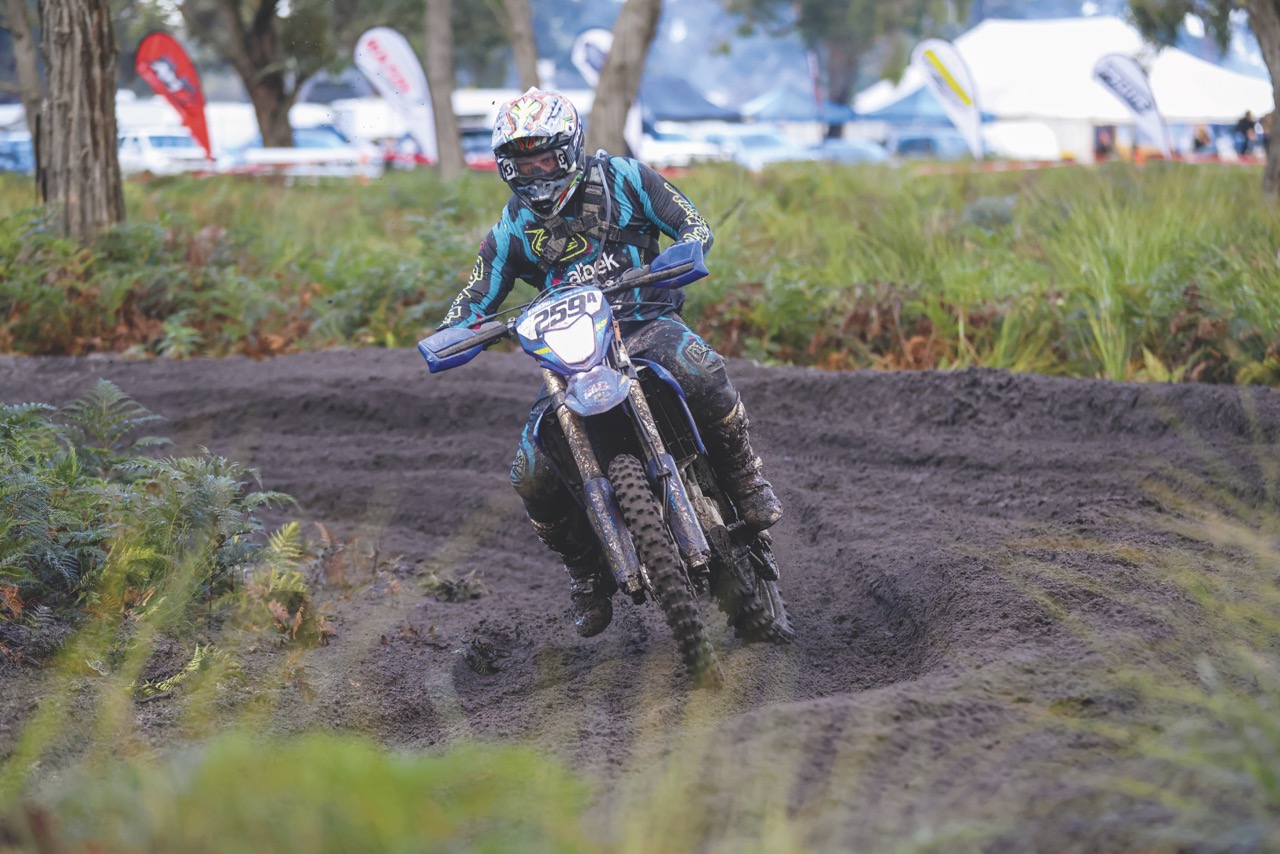
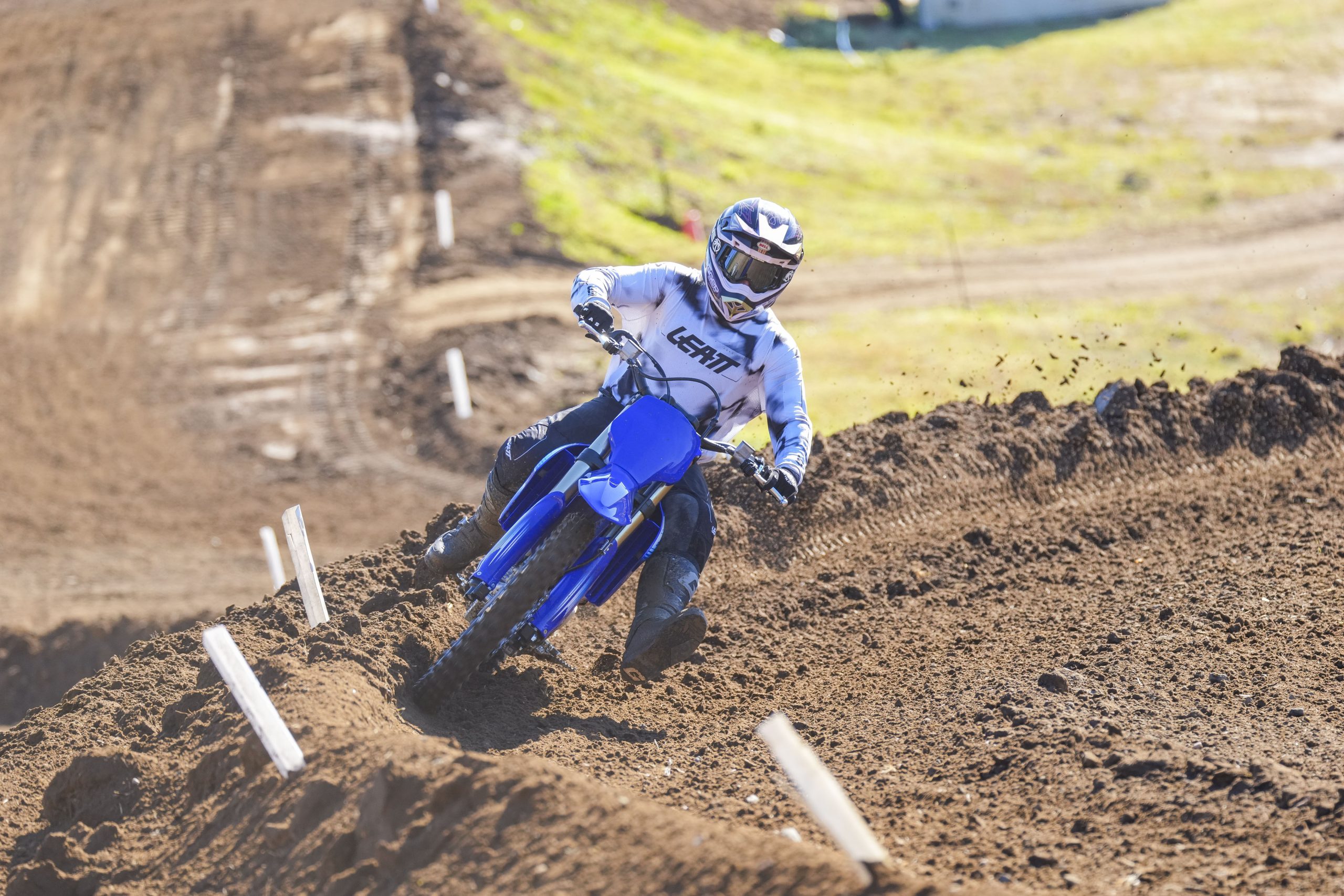
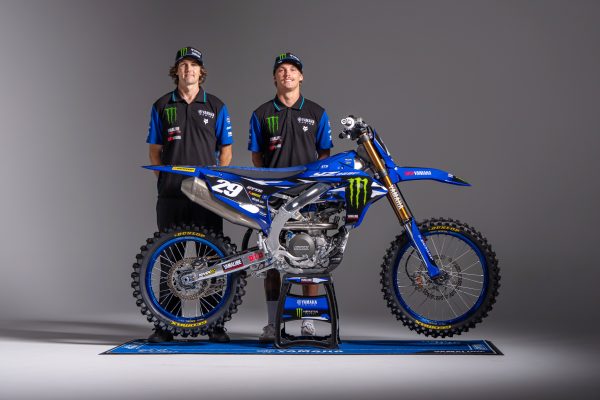
For me, the Yamaha YZ250F is an easy bike to ride and already has a very high base level. When I first got on the bike, I rode it pretty much standard for a few weeks just to learn it, where its strengths and weaknesses are and what it would take to personalise it for me.
The biggest advantage is that it does everything well, good motor, stable handling and good suspension, so it’s a bike you can jump on and ride at a good pace straight away without any weird quirks.
HOW YOU LIKE TO RIDE?
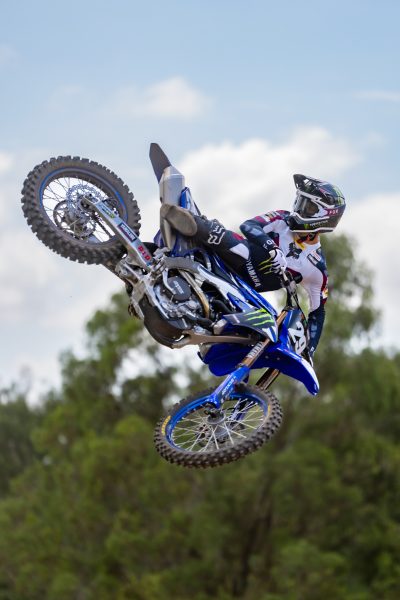
I wish I rode like Jett or Hunter Lawrence, but that’s probably not going to happen. I’d like to think I use torque and flow, but in reality, in a race situation, I’m more of a revver and fairly aggressive on the bike. I ride high in the rpm, attack turns and race with intensity.
HOW YOU SET UP YOUR BIKES?
The team worked through a few different motor combinations with me to get the mechanical feel I like, then we fine-tuned it with ECU mapping to bring everything together. The motor we’ve ended up with is strong everywhere, but every option we tested was good, this setup just suits me best across a range of tracks.
With suspension, we started quite soft, as that’s what I had been used to on other brands. We then gradually stiffened it up and, as I got used to it and picked up the pace, the bike started working really well. More recently, we’ve backed it off slightly to make it more comfortable and settled, but it’s still firmer than what I’ve raced with in the past.
THE MECHANIC
NAME: Ben Dutton
WHAT MODS OR ADJUSTMENTS DID YOU MAKE?
With any rider, you start with the standard package so they can understand the bike and feel its strengths and weaknesses. From there, we use their feedback to guide the direction of any changes.
With Noah, he settled quickly on handlebars, grips and general ergonomics, so that part was straightforward. The motor was also relatively simple. With a 250, it’s often about producing as much reliable power as possible and then shaping it to suit the rider. We made a few adjustments, but he was comfortable with most of the motor options we tested.
The main area he focused on was the shock. I think we’ve now got that into a good window for him, and we’re able to fine-tune it with external adjustments depending on the track.
HOW HARD IS THE RIDER ON PARTS ETC?
He uses the clutch quite a bit, so we keep an eye on clutch wear. He also grips the bike hard, so contact points like grips, side plates and frame grip areas tend to see more wear.
ANYTHING ELSE WE NEED TO KNOW FROM A TECH PERSPECTIVE?
Modern motocross bikes are already very capable, so there’s no need to reinvent the wheel. Getting a strong base package and maintaining it properly throughout the season is just as important as any performance modifications.
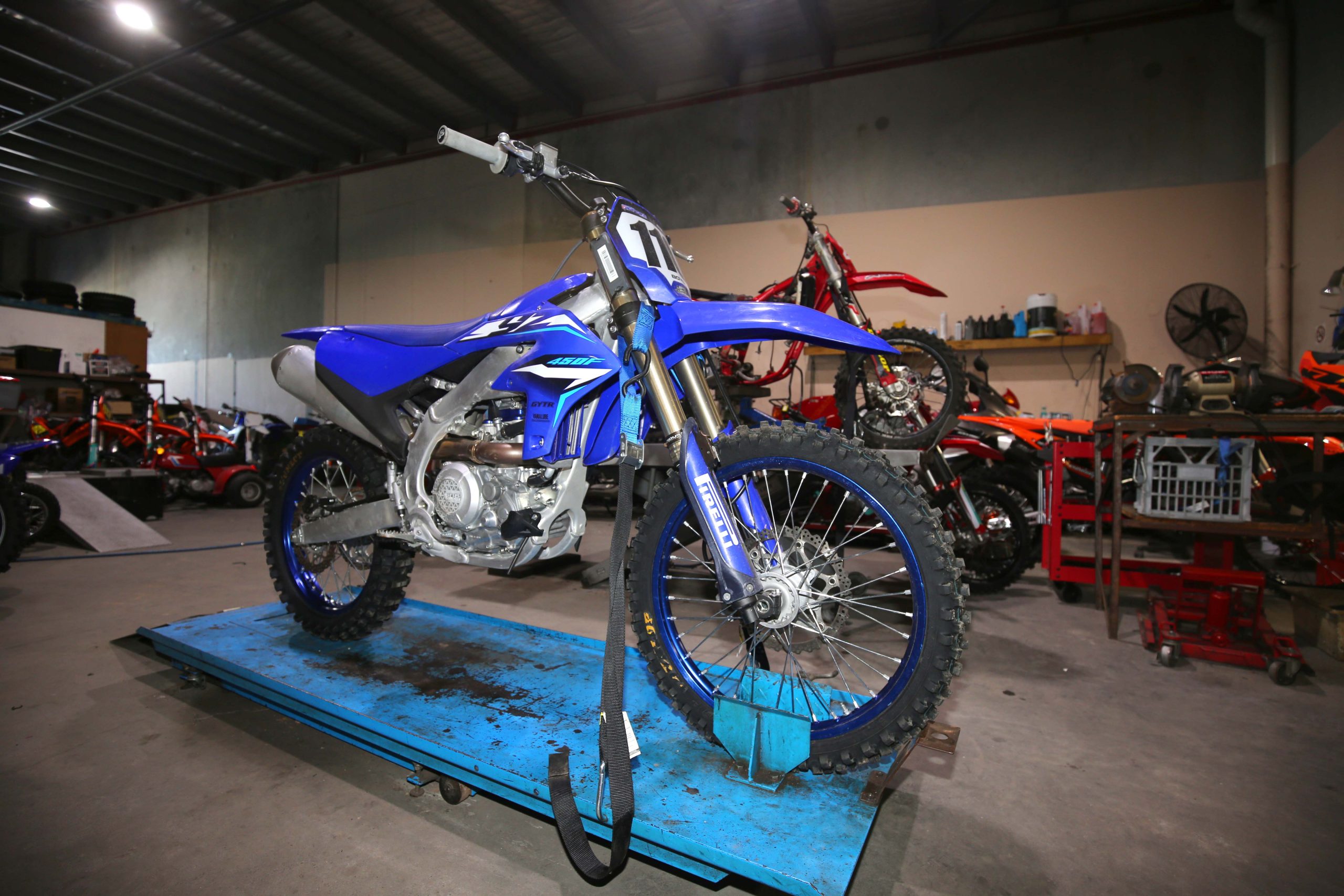
We’re also fortunate to have access to GYTR parts, which do make a difference. Items like airbox covers, skid plates, engine covers and start buttons are all GYTR components and are worthwhile additions.
FIVE THINGS WE DIDN’T KNOW ABOUT YOU OR YOUR BIKE
- Multi-time Australian Junior Champion
- Raced in the German Supercross Championship
- I live on the Sunshine Coast
- My race number has nearly always been 29
- Wilson Todd is weirder than me
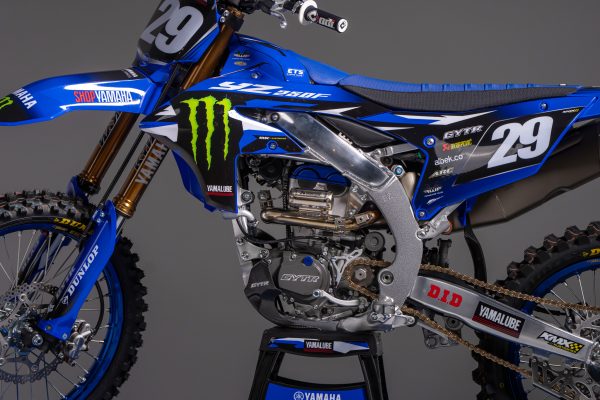
What’s in it?
Motor:
Flowed cylinder head
Piston: GYTR
ECU: Vortex
Exhaust: Akrapovic
Airbox lid: GYTR
Airbox: Modified for more airflow
Engine covers: GYTR
Radiator cap: 2.0kg GYTR
Oils and lubes: Yamalube
Air filter: FunnelWeb
Gearing: 13–49
Suspension and Chassis:
Fork: Coated KYB with team settings
Shock: KYB with team settings
Handlebars: ODI
Grips: ODI
Seat: Top Line cover with seat hump
Skid plate: GYTR
Footpegs: Standard
Chain: DID 520 ERT3
Graphics: Kustom MX
Start button: GYTR