Yamaha has an interesting conundrum with building a new YZ250F: the old one was already bloody good. Yamaha certainly wasn’t starting with a dud. The YZ250F has long been one of the benchmarks of the 250F class and Yamaha says it was Australia’s number-one-selling motocross bike from June 2025 to June 2026. So rather than simply throwing some new graphics at it and calling it MY27, Yamaha has gone deep into the engine and chassis looking for more power, more revs and, importantly, a bike that’s easier to ride fast.
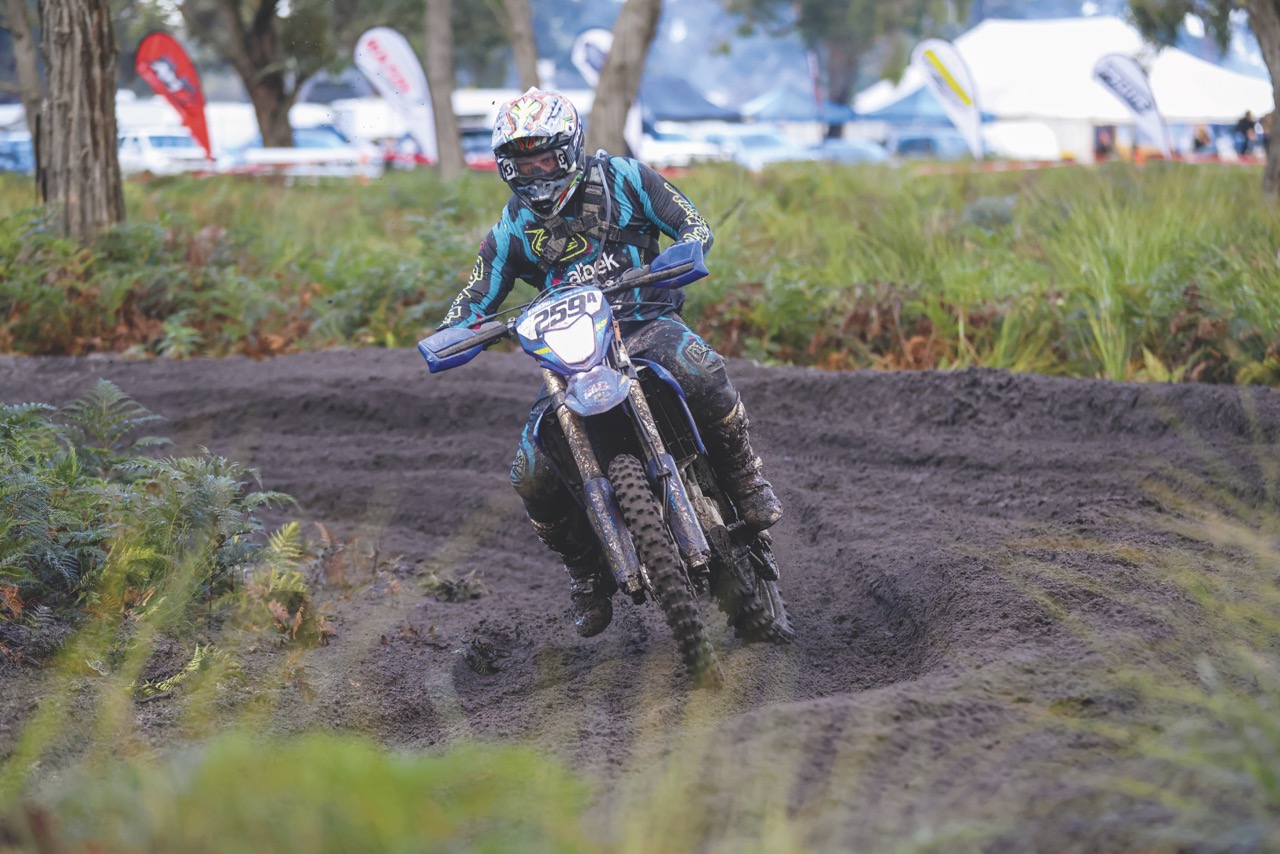
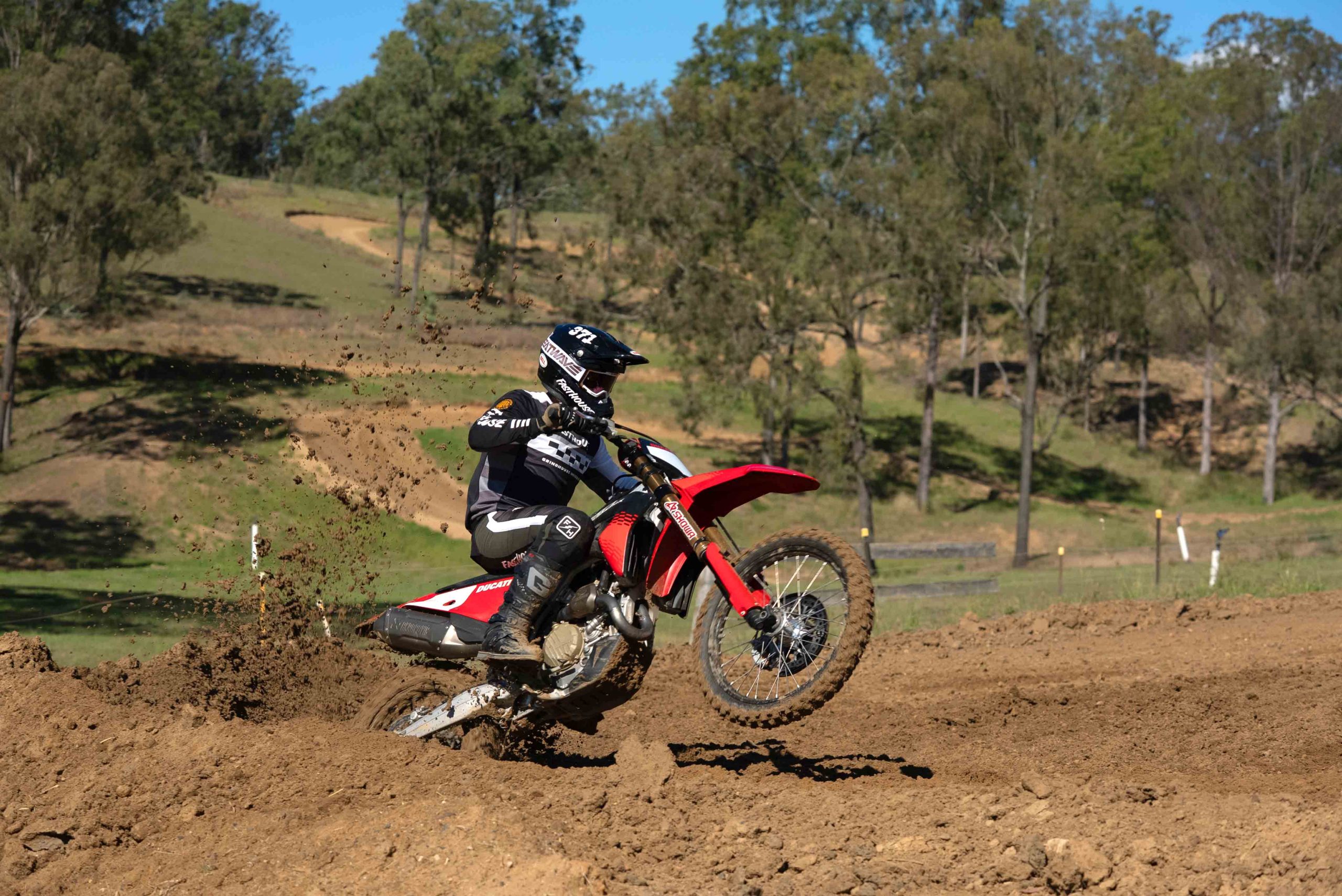
We headed to Queensland Moto Park to get our first taste of the 2027 bike and conditions were actually pretty handy for exposing its strengths and weaknesses. QMP was hard-packed and slippery in places, with plenty of sections where front-end confidence and throttle control mattered. Andrew Ridley spent plenty of time aboard it while I also spun laps to get the slower, heavier C-grade perspective, and between the two of us there was one thing that stood out immediately: this thing feels different.
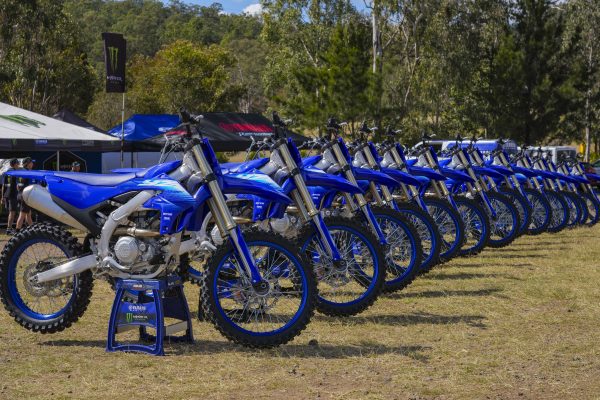
WHAT’S ACTUALLY NEW?
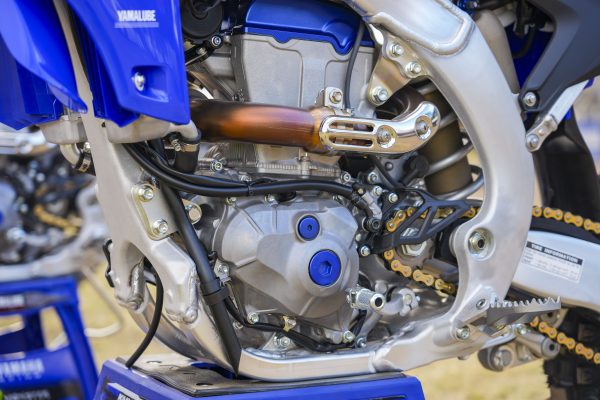
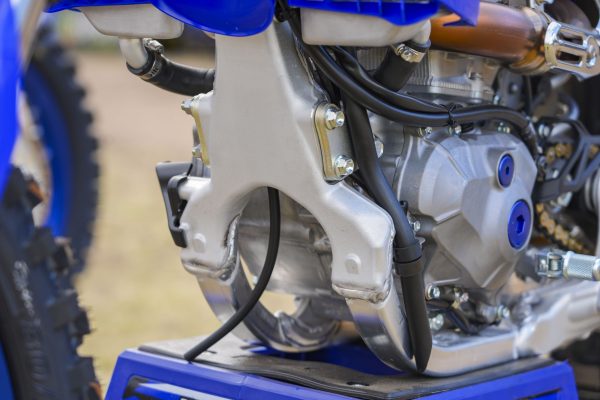
The headline act is the engine, which has been heavily revised. Yamaha has given the YZ250F a new valve train featuring finger followers, dual-spring inlet valves and new exhaust valve springs, while valve lift has increased from 9.6mm to 10.2mm. Most importantly for anyone who enjoys holding a 250F absolutely flat, the rev ceiling has been raised by a whopping 700rpm.
The gearbox has also been beefed up with increased gear widths, more engagement dogs and revised five-speed ratios designed to deal with the extra high-rpm work. Then there’s a hydraulic clutch, revised starting system and plenty more internal changes aimed at making the engine both stronger and easier to use.
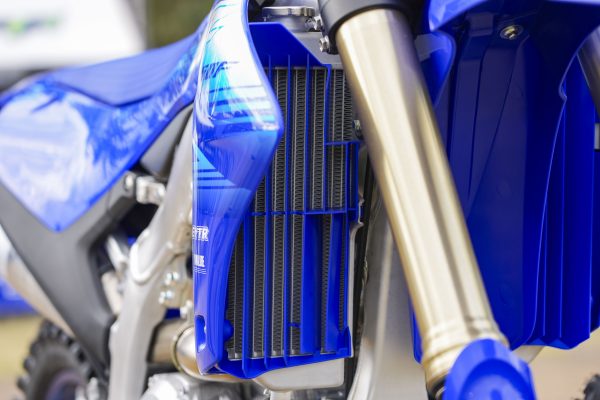
The chassis gets some serious attention too. Yamaha has headed in the same general direction as the latest YZ450F, but says the 250 has model-specific flex characteristics, along with revised KYB suspension, a new rear shock base valve, a higher-grip seat and a lighter rear brake system. It’s not simply a 450 chassis with a little motor jammed into it.
REV IT TO THE MOON
Forget all the engineering jargon for a moment because the important question is whether the motor actually feels better. It does. ADB Editor Mitch Lees also threw a leg over it too and felt the biggest improvement is right off the bottom. Previous YZ250Fs could occasionally feel a little abrupt when you first cracked the throttle or before actually winding it on, claiming they “lurched” a little, whereas the 2027 engine feels noticeably more linear, smoother and controlled. There’s better torque down low without the bike suddenly lurching forward, and that makes it easier to get onto the power on hard-packed, slippery terrain like we had at QMP.
I noticed the same thing immediately. Coming out of slower corners, a couple of little pops on the clutch were enough to get the engine singing and from there it just keeps pulling. There’s more response off the bottom, stronger drive through the middle and then that extra rev ceiling becomes very obvious when you start hanging onto gears.
And holy hell can you hang onto them. Down QMP’s main straight, I was holding the thing wide open and letting it scream rather than reaching for another gear. That extra 700rpm isn’t simply something Yamaha can put on a spec sheet; you can genuinely feel the additional over-rev from the saddle. For a 250F, it feels like you can keep the throttle pinned forever before it finally asks you to grab another gear.
That could be one of the biggest advantages of the new engine. If you can carry a gear further between corners, you’re making fewer shifts and doing less work, which is exactly what Yamaha says it was trying to achieve with this bike.
MORE TORQUE, LESS ATTITUDE
For Mitch, the bottom-end improvement was actually more impressive than the additional revs. I’m a heavier rider and I’m certainly not riding a 250F like a ProMX bloke, so I tend to appreciate torque more than an extra handful of rpm right at the top. The 2027 engine has a much nicer progression from the bottom into the mid-range, and I found myself being able to carry it through corners without having to abuse the clutch quite as much.
That has me very interested in what this engine architecture could eventually mean for the WR250F. A smoother, torquier bottom-end with plenty of over-rev sounds like a bloody good recipe for an enduro bike, although obviously we’ll have to wait and see what Yamaha does there.
The other interesting part was that despite being stronger, the engine didn’t feel more difficult to ride. Yamaha’s stated aim was to make the power more linear and controllable while reducing engine braking, and from our first ride that seems to have translated.
SAME DNA, BETTER CORNERING
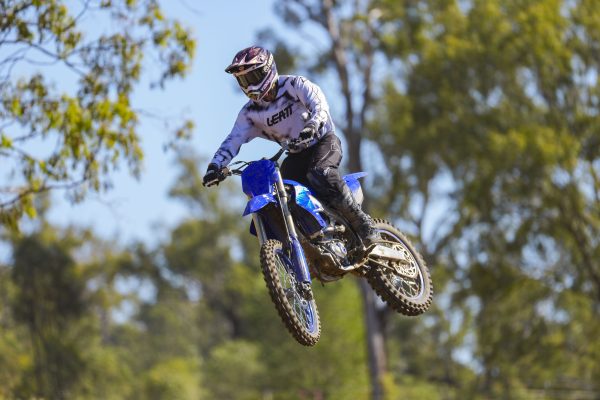
I came into this launch having spent time on a 2026 YZ450F, so the family resemblance was immediately apparent. The 250 carries some of that same planted, stable feeling, but with considerably less rotating mass and inertia trying to dictate where the bike wants to go.
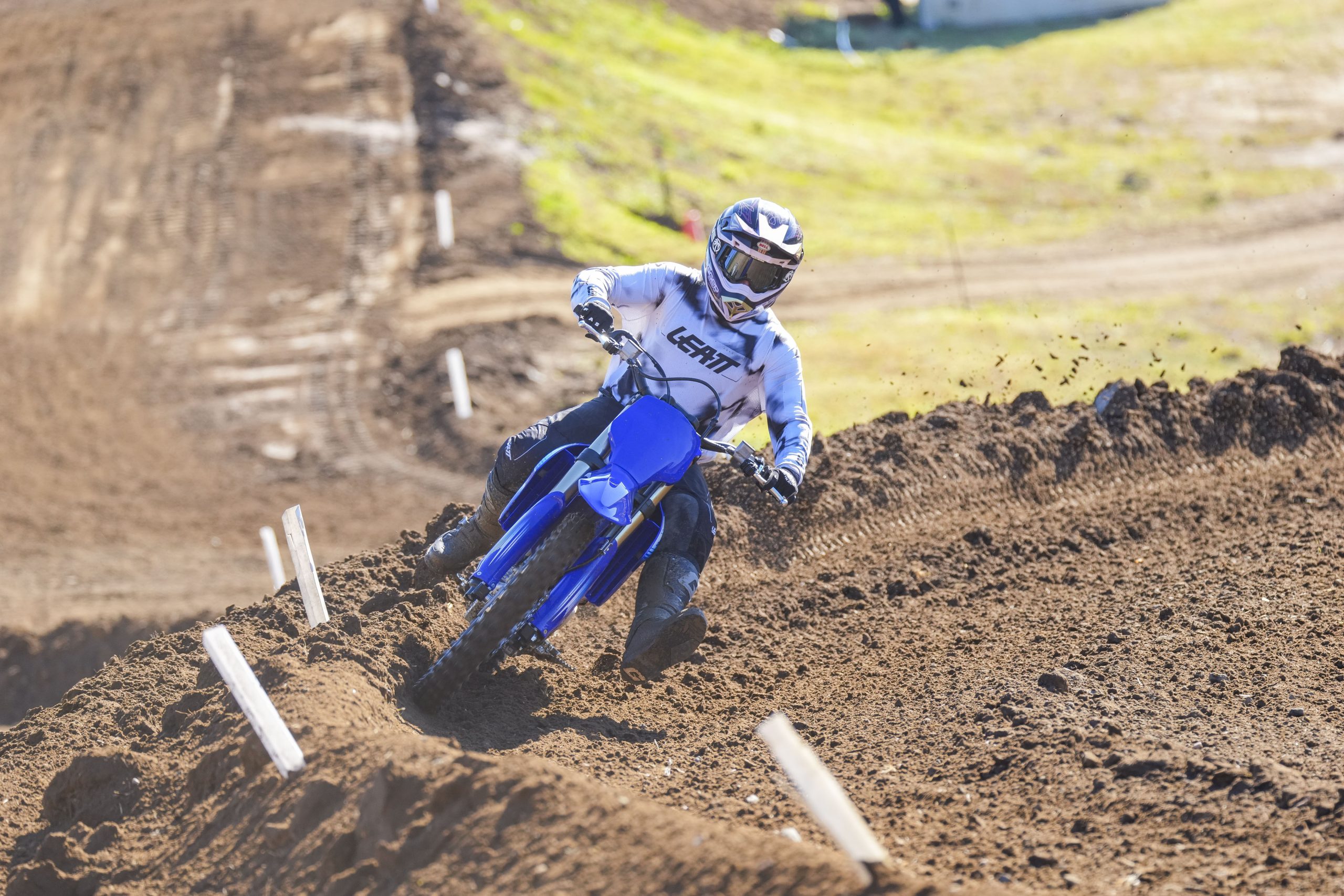
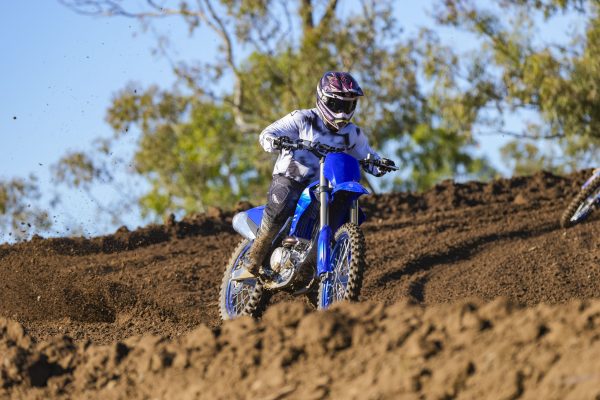
The big improvement compared with the previous YZ250F was predictability. Yamaha hasn’t thrown away the stability that has made the YZ such a confidence-inspiring bike, but it now feels more willing to change direction. On QMP’s flatter off-camber turns, I found noticeably more sidewall traction and confidence from the front-end.
It also feels narrow between your legs. That helps you move around the bike and makes tipping it into a rut or flicking from side to side feel natural rather than something you have to force. Yamaha has managed to retain that reassuring YZ stability while making the thing feel a little more agile.
Heavy v light rider
Now for the suspension, and this is where Mitch and I had slightly different experiences. Mitch said the KYB package did an impressive job of holding his roughly 100kg riding weight up, but he found the initial part of the stroke a little firm. He’s a C-grade rider these days and doesn’t attack bumps with the same aggression as a pro, so there were times when he said he could feel some harshness coming through the handlebars and grips over the smaller chop.
Part of that could simply be setup. Being heavier means he’s already sitting further into the stroke. He’ll need to spend some proper time with sag, clickers and eventually some valving before making any definitive call. Unfortunately, with plenty of riders rotating through the bikes at the launch and no opportunity for us to make significant suspension changes, we were largely riding what we were given.
The important thing is that the suspension certainly wasn’t blowing through the stroke underneath me. There’s plenty of hold-up there, and I suspect with some time spent finding a setting for my weight and speed we could get considerably more comfort out of the initial movement without sacrificing that support.
HYDRAULIC AT LAST
Yamaha has finally joined the hydraulic-clutch club on the YZ250F. And the best thing I can say about it is that I barely noticed it.
The action was light, consistent and natural enough that I never really thought about it while riding. That is exactly what you want from a clutch. Yamaha says the new compact unit uses a conical spring and is designed to reduce drag while providing lighter operation without the need for adjustment.
When I was giving it a few quick clutch pops exiting slower corners, the engagement was predictable and helped get that new engine straight into the meat of its power.
MORE FEEL OUT BACK
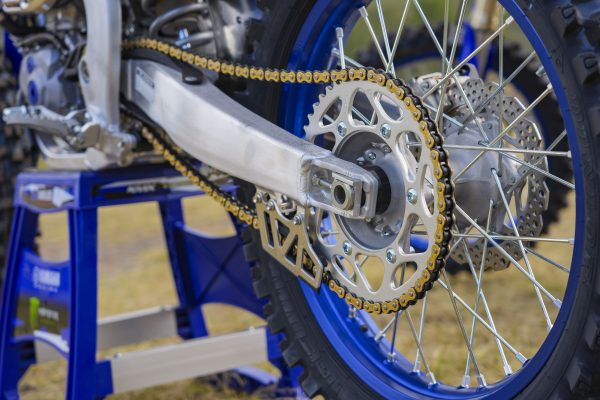
There’s also a substantially revised rear brake. Yamaha has reduced the master-cylinder diameter, piston diameter and rear disc size, with the rotor shrinking from 240mm to 220mm. The whole setup saves 180g, but Yamaha says the real target was more linear braking and improved controllability.
It’s a weird thing to comment on but that’s something I could actually feel on track. There was more feedback through the pedal than the previous setup and it was easier to judge how much rear brake you were feeding into the bike, particularly on the slippery QMP surface.
It’s a relatively small change compared with an all-new engine, but motocross bikes are the sum of hundreds of little things. Better feel from the rear brake is one of those things you appreciate every single lap.
CHANGE THE MAP
One area we didn’t get to explore properly was Yamaha’s Power Tuner app. The system allows you to alter fuel injection and ignition settings and also provides traction-control and launch-control functionality, along with lap timing, maintenance information, setup guides and riding data. The 2027 system also gains an ECU lock function that lets the owner password-protect the ECU as an anti-theft measure.
Unfortunately, the particular bike I kept jumping on didn’t have the Wi-Fi code available to us, so we were stuck with the standard map. That’s a shame because with such a heavily revised engine, I really wanted to see how much its character could be changed through mapping. That gives us a pretty good excuse to get another one back into ADB HQ.
EASY CHANGES
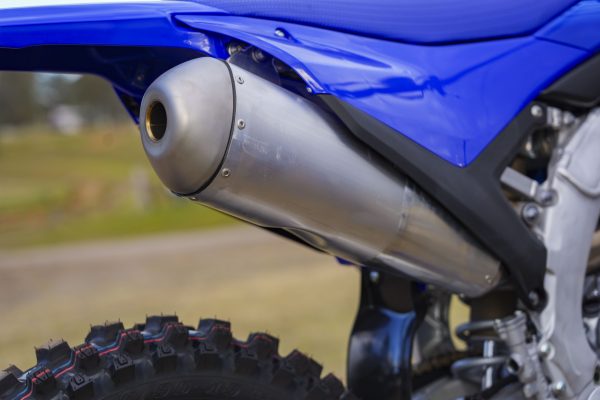
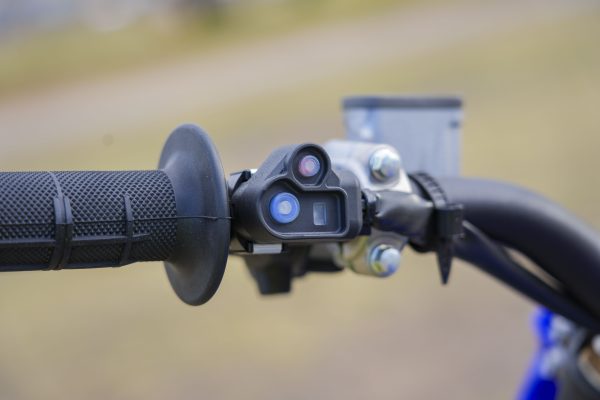
Right, Yamaha, we need to talk about these grips. They’re hard. Mitch felt the same way and said he doesn’t ride anywhere near as much motocross as he would like to and somehow he still managed to leave QMP with a blister after a day of testing. Of all the things I’d change if one of these landed in my shed tomorrow, a softer set of grips would probably be first.
Yes, I realise we’ve just spent a thousand words talking about a heavily redesigned motocross bike and I’m whinging about $30 grips. But your hands will thank me.
No Easy Way
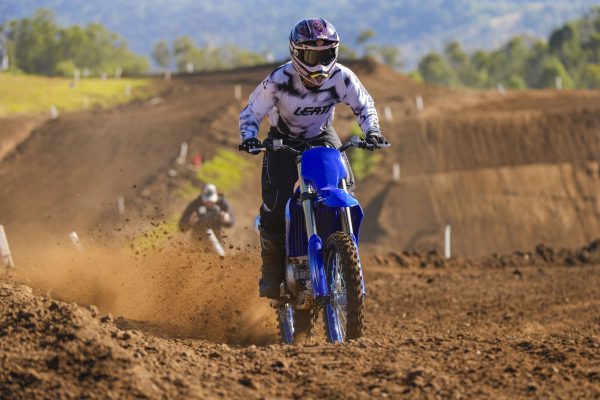
Yamaha could have taken the easy option with the YZ250F. The outgoing bike was already competitive, already popular and already winning shootouts, so there wasn’t exactly a raging fire that needed putting out.
The engine is the star on the 27, again. It has more useful torque at the bottom, feels more linear when you initially crack the throttle and then revs its bloody head off when you want to stretch a gear. Combine that with a more predictable chassis, improved cornering manners, hydraulic clutch and better rear-brake feel and the 2027 bike feels awesome.
There are still questions we want answered. Mitch wants more time with the suspension, particularly to soften that initial part of the stroke for a heavier, slower rider, and we need to play properly with the Power Tuner maps before making the final call. But, as a first impression, it’s still a bloody good thing.
ANDREW’S WRAP
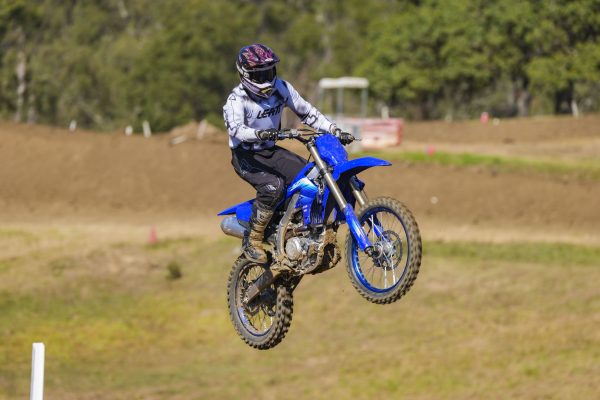
THE GOOD: The engine. More response from the bottom, stronger torque and a massive amount of over-rev. You can leave the thing in gear forever, which should mean fewer shifts and less work over a moto.
CHASSIS: More predictable than the previous bike while retaining the stability YZ250Fs are known for. The biggest improvement was cornering, particularly on off-cambers where there seemed to be plenty of sidewall grip.
HYDRAULIC CLUTCH: Light and predictable. If you don’t really notice a new clutch while riding, that’s normally a pretty good sign.
REAR BRAKE: Noticeably more feel than before and easier to modulate.
MITCH’S WRAP
MOTOR: More linear than before with noticeably better torque from the bottom. It doesn’t have that occasional lurch of the previous engine, yet there’s still heaps of over-rev up top.
SUSPENSION: Plenty of hold-up for my weight, but initially a little harsh through the bars. I’d like to spend time playing with setup before making a final judgement.
ERGOS: Noticeably narrower between the legs and easy to tip into corners.
GRIPS: Get rid of them. Hard enough that I managed to blister my office hands.
MORE TESTING: We couldn’t properly experiment with suspension or Power Tuner maps at the launch, so there’s definitely another test to come.
2027 vs 2026
Despite all the changes, the core dimensions remain remarkably similar. Seat height stays at 970mm, wheelbase at 1480mm, ground clearance at 350mm and suspension travel remains 310mm front and 295mm rear. Wet weight, however, increases from 105kg to 107kg.