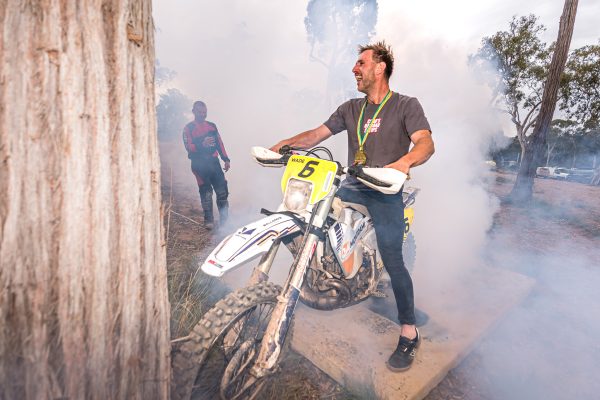
In a sport where most of the front-runners are backed by teams, Wade Ibrahim has carved out a spot at the sharp end the hard way. Hard Enduro in Australia is one of the only disciplines where our top riders aren’t paid the same as their brothers and sisters in motocross, supercross and enduro. Victorian Ibrahim has built his reputation through consistency, toughness and a serious amount of saddle time, all while working full-time and running a business. This is his story
ADB: What’s the plan from here for Wade Ibrahim?
Wade Ibrahim: Look, I’m 33 years old. I still feel as fit as, I probably feel the fittest I ever have, to be honest. So I’ll definitely do the full Hard Enduro series in Australia in 2026. Maybe a few select ones overseas. I run a business and I’ve got a few employees and stuff. It’s pretty hard, that sort of suffers when I’m riding. So it is hard to juggle both, but most people in a similar situation would know that. You only get one shot at it. I’m at the age where I’m like, you know what? Just keep going while I can. I’ll never look back and regret doing it. So I’m just going to keep doing what I can and try and juggle it how I can and just make it work.
ADB: From what you’ve seen, how does the level of Australian hard enduro stack up against Europe right now?
WI: Look, to be honest, short answer, no. The level over there, you look at Billy Bolt, Mani, the level they’re riding at, the tracks they’re doing, and they’re riding so consistently, every weekend, every couple of days, we’re nowhere near that. As for someone like Will Riordan [before he retired], say, he’s a world-class rider, he’s riding unbelievable, and he’s young. So Will could have definitely been a top five. But staying in Australia, limiting yourself to riding with, I’m not saying we’re bad riders, but it’s hard to break from the pack if you’re only riding with this group. If you’re over there in Europe riding with the likes of Billy Bolt and all those other guys, then you’re going to want to be better than them and try to catch them. That’s the same in any sport. It’s hard to break that barrier.
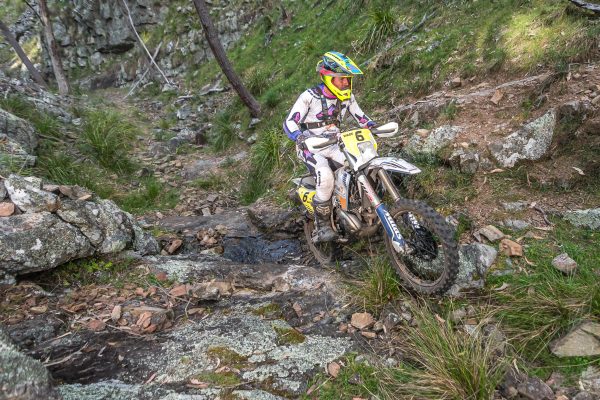
ADB: Do Aussies need to move overseas to be successful?
WI: 100%. It’s the only way. If you’re riding over there with them all the time, you’re eventually going to get a lot closer than you are here just hoping. Look at all the guys, look at Chucky. Look at the guys who’ve gone over and done it, they’ve gone over and cleaned up. Racing against these other world-class guys just makes you want to do better. So 100%, if a young guy nowadays could do it, for sure. Definitely an Australian could do it.
ADB: So what’s your background I riding?
WI: I grew up racing RM80s and DS80s and all that sort of thing, doing enduro club rounds, random motocross rounds and stuff like that. A little bit of VORC off-road stuff with Chucky back in the day, but I never really loved it. I sort of did them because there was nothing else. Then Wildwood came along in 2015, had no idea what it was like. Turned up and went, oh, how good is this? I think I came second in Expert, I’d never done a race like that. I just wanted to keep doing it.
Obviously there’s only one Wildwood a year. I persevered, started training and riding harder stuff. I still had no idea on setup, wasn’t running gummy tyres or mousses or anything. Came back the following year and Chucky was there, I think he won it that year. He was basically my mechanic, turned up with tubes, mousses. I didn’t even know what mousses were. He did everything for me before the start of the race. He goes, don’t worry, you just go out there and work it out. I went out there and I think I came sixth or ninth in Pro. He won it. Ever since then, I was like, right, this is what I want to do.
I kept at it. I came second at Wildwood a lot of times against Wade Young, I think I’ve been bridesmaid five times there.
ADB: How did you learn the hard stuff?
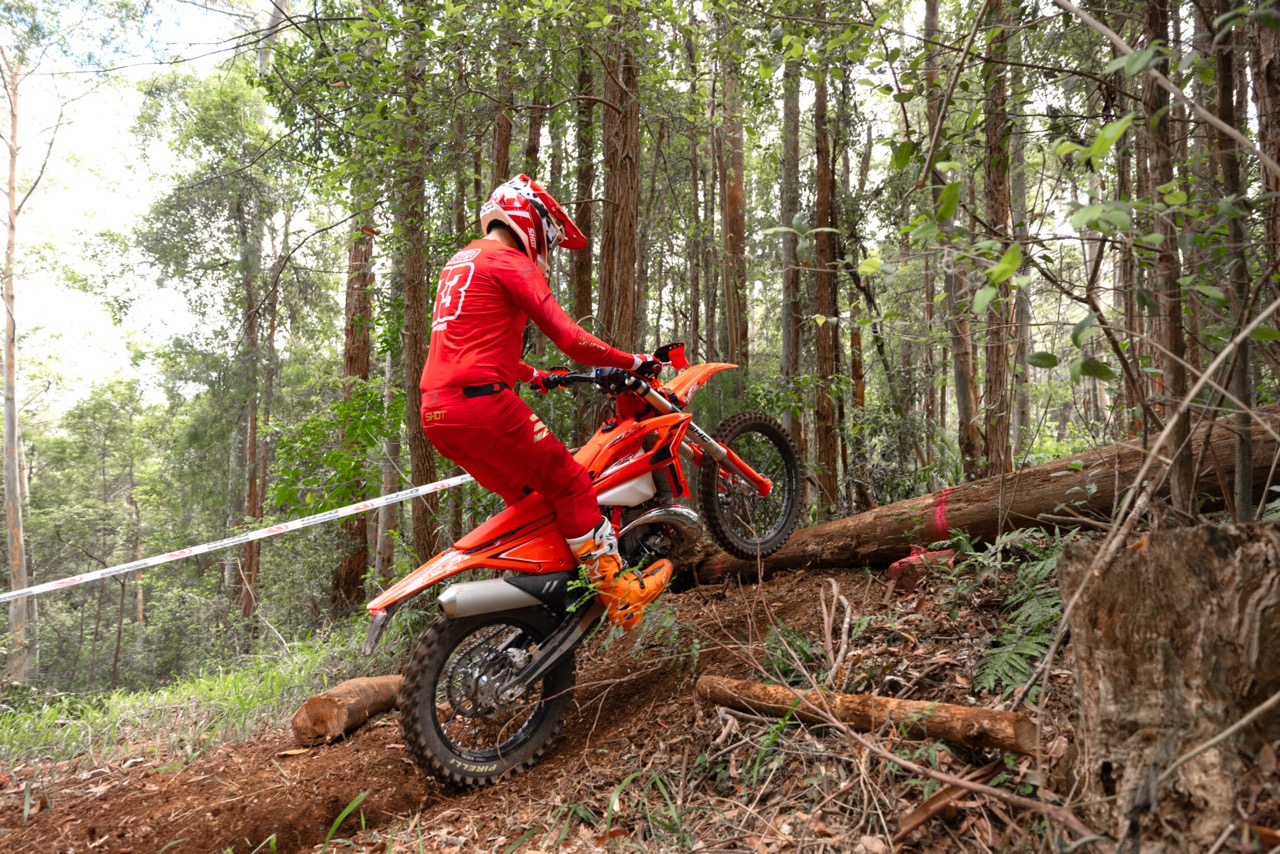
WI: I’d go trail riding and just try to find steeper hills. I started riding with people, then I sort of stopped riding with people and started riding a lot by myself, just punishing myself up relentless hills forever until I’d get them clean. It’s kind of come naturally, to be honest. People ask how I do this, I don’t really know. I just go out there and do it and it happens naturally, the pivot turns, the body positioning, where to put your feet, where to put power and where not to. I’ve always wanted to do it, I get out there and make it work, and it happens relatively easy. I just love doing it.
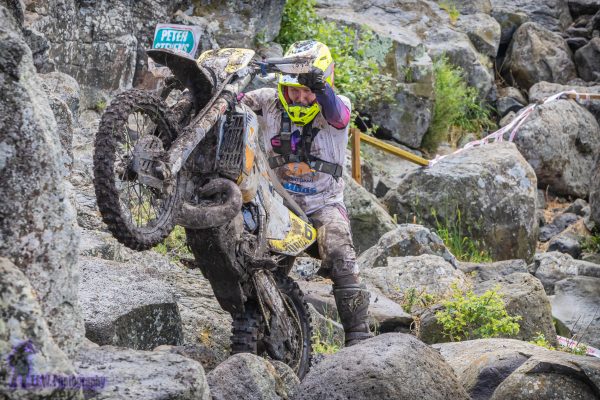
ADB: Is training on the bike or off the bike the big focus now?
WI: Right now, if I’m going out for a train, I’ve got a loop and I know the time of the track. It’s like a half-hour track and I will not leave until I’ve done a faster lap than the previous time, I’m constantly racing the clock. Then I pick one section and try to do it clean without putting a foot down. So I do multiple things: race the clock and then perfect a section every time, I won’t leave until that section’s perfected.
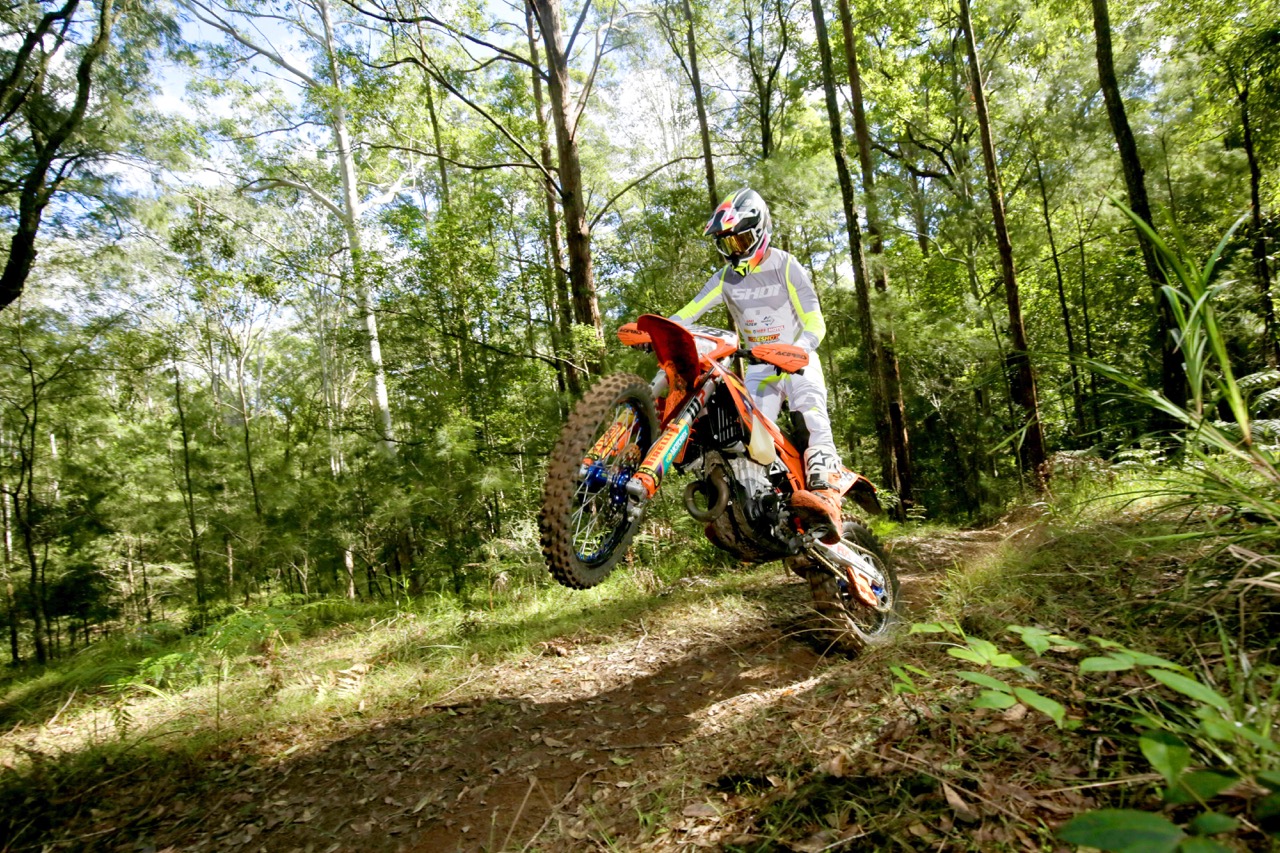
Going way back, the initial thing that got me going was the slow mono. I remember seeing someone do it in 2015 and thought, I’ve got to learn that. It took me two weeks, every day I did it and wouldn’t leave until I got further than the day before. Eventually I got it, and now I can ride around anywhere on one wheel. That developed my skills massively, being able to control the bike on one wheel, basically anywhere, downhills, uphills, that gets you a lot further. The slow mono was massive.
ADB: But what about fitness off the bike? You look to have that in control too.
WI: I used to. I used to go to the gym flat out, and I basically became a good Hard Enduro rider the second I stopped going to the gym! I haven’t really done any fitness at all other than riding my bike in the last eight years. Just on-bike training, that’s it. I changed my diet about a year and a half ago, stopped eating so much crap, started fasting, probably lost a bit of weight. I’m about 95–96kg now. I’ve trimmed up a little and feel fit, but only on-bike training. No cycling, no running, no weights, nothing.
ADB: How much do you actually ride?
WI: Some weeks I won’t ride, other weeks I might ride three times. If I’m riding, I’ll go with a friend, Glenn Richards, you probably know him, old pro racer. He’s got an epic place to train. I’ll ride five, six, seven hours basically without stopping, try to resemble a race, just not stopping at all.
That’s in Victoria. I’m in Healesville, Yarra Valley area, a bit of state forest there. He’s an hour to an hour-20 away, and a lot of it’s private property, probably the best terrain I’ve ridden in Australia. Rocks, hills, switchbacks, creeks, everything to practice. Basically no undergrowth, so you can pick lines and it’s all rideable, not designated tight single where you’re just thrashing your bike. You’re picking lines and working on technique, a massive factor. Riding there the last two years has elevated my riding again.
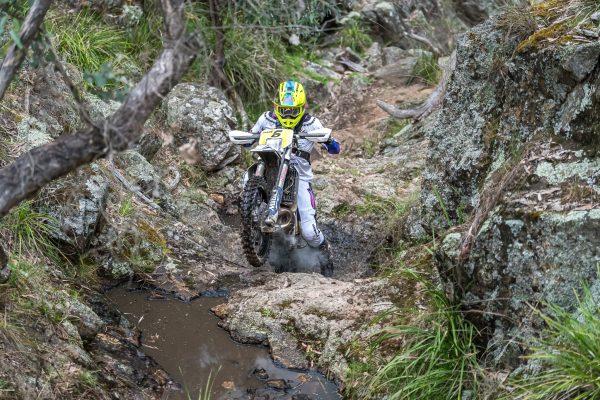
ADB: Who pushed you early?
WI: I started riding with a mate called Graham. He was always really fast. Rode with him and did a few hard tracks here and there, it made me want to be better. Then a couple of his mates, Mark Clemons and others. Then I ran into Chris Perry and became really good friends. Once I started riding with him it went up another level, he’s such a talented rider. You want to be better than him. Now I’m good friends with Anthony Solar and Ruben Chadwick as well, we’ve all ridden together and elevated each other, which has been great.
ADB: What’s the cost to race hard enduro?
WI: You can virtually buy a standard bike, put mousses in it, radiator guards, bash plate, go ride it. The key thing with Hard Enduro is trying not to throw your bike, hang onto the bars all the way to the ground and you’ll barely break anything. The bikes are built that well. For someone to go out and do it, it’s really not that expensive, as long as you’re not flogging yourself. The events are affordable. You’re not flogging the crap out of your bike like at an AORC or VORC, because a lot of it’s low revs, you’re generally not blowing engines up. It is very affordable, to be honest. All racing isn’t cheap, but this is on the cheaper end.
ADB: So what’s the dream? Get paid to race hard enduro here or overseas?
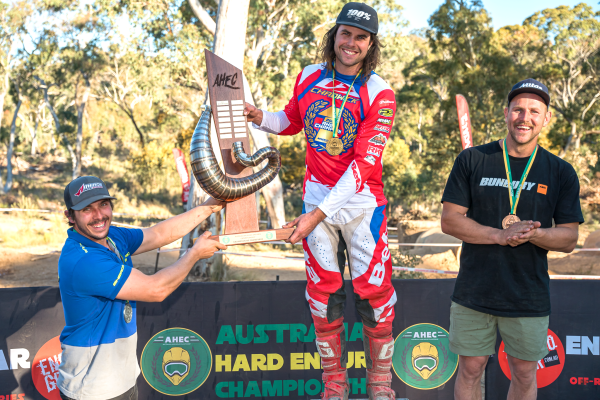
WI: I’d love to say that, but that’ll never happen, I’m getting old for that now. To be honest, I’d love to finish Erzberg, I’ve gone five times. I don’t know if it’s going to happen, but last year I felt like I could have. A few years ago I felt like I could have, but just wasn’t prepared enough. We’ll see what next year brings, finish an overseas race would be really good, and maybe get another Australian title would be good. But there are some good young guys coming through the ranks nipping at our heels, it’ll get exciting.
ADB: I moving overseas to race realistic at all?
WI: I’m 33, 34, and yeah, I’ve got kids and I’m set up here. That ship’s sailed, to be honest. I’d love to go do that, but I’ve got three kids, the youngest is one. It’s a bit hard.
ADB: You don’t seem to get many injuries, are you superhuman?
WI: I think you’ve got to have really fast reflexes. You have to be a good crasher. I’m not saying I don’t crash, but I tend to be very good at reacting and getting myself in the right position at the right time really quickly, and so do a lot of other top-level riders. You see a lot of them don’t get injured, they just fall and they’re fine.
Hard Enduro, obviously, you’re not going crazy fast for a lot of it, so they’re calculated risks. You come into a big obstacle, hill or downhill, and you can sort of set yourself up. If you’re going to come off, you know where you’re generally going to go. It’s the unknowns that can get you, but nine times out of ten it’s predictable.
So the stuff I’m doing is pretty predictable. In 2024, I nearly had a really big off following Solar down a downhill, but I was sort of like a cat, just jumped and let it all fall, and here we were. I was all right. The bike wasn’t, but I was.