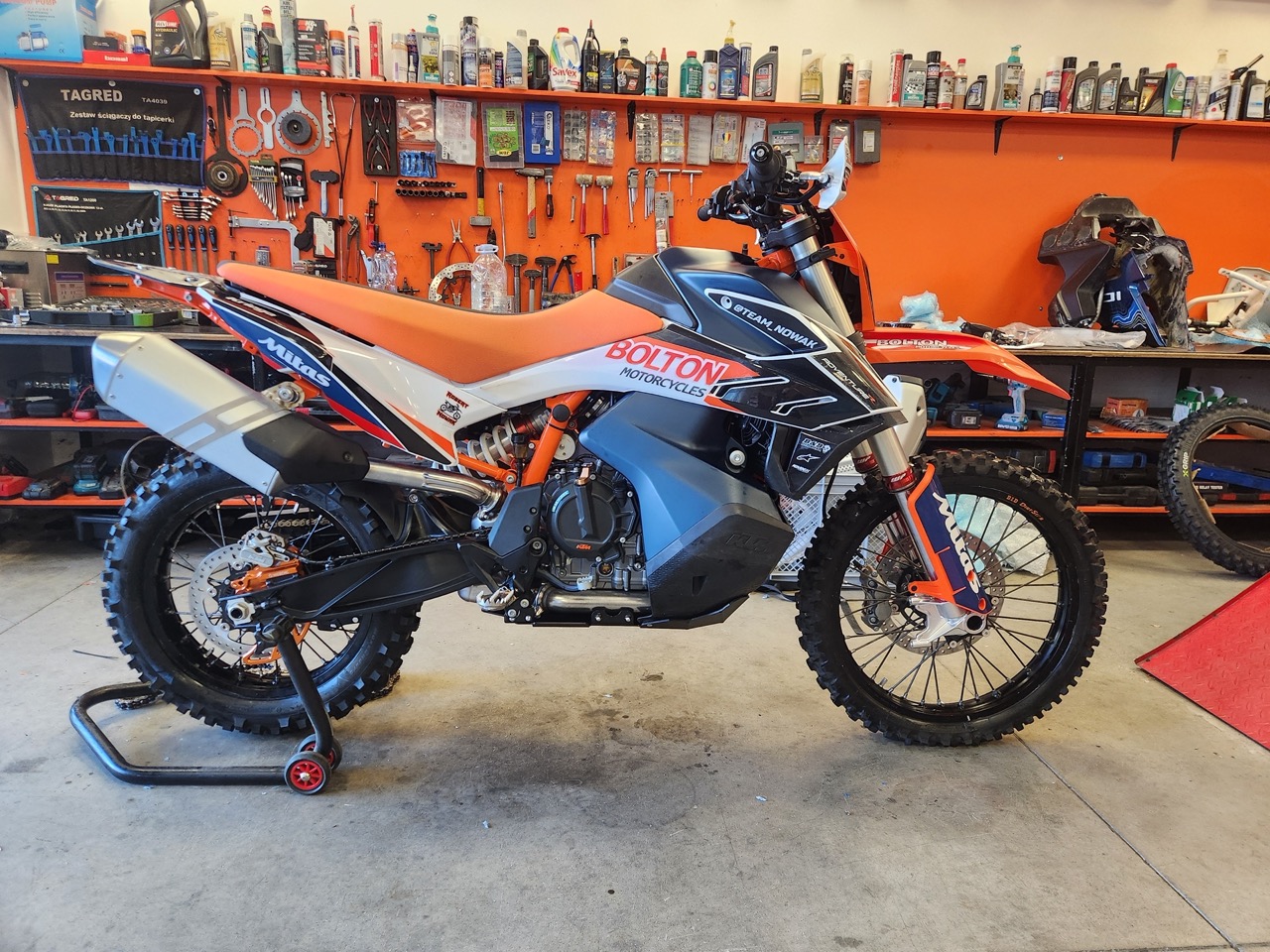
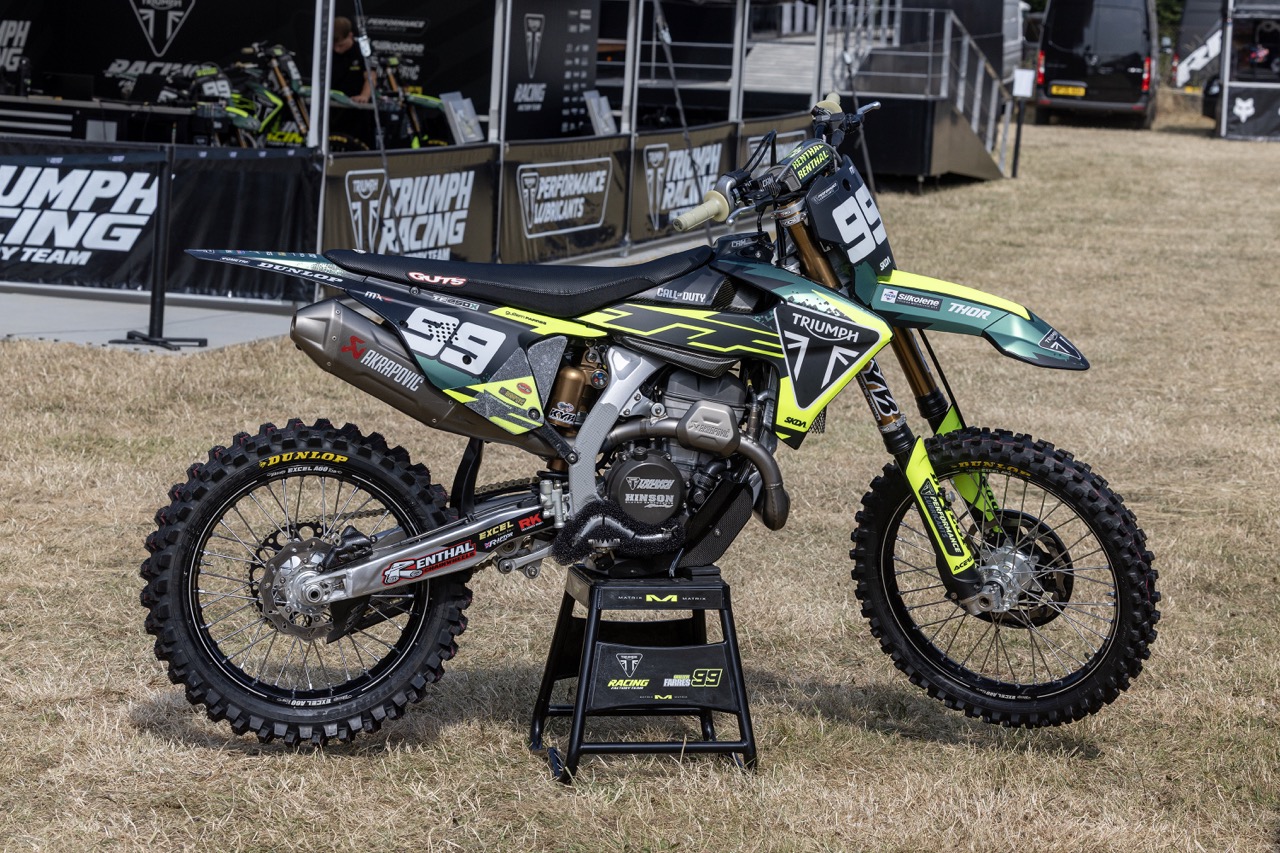
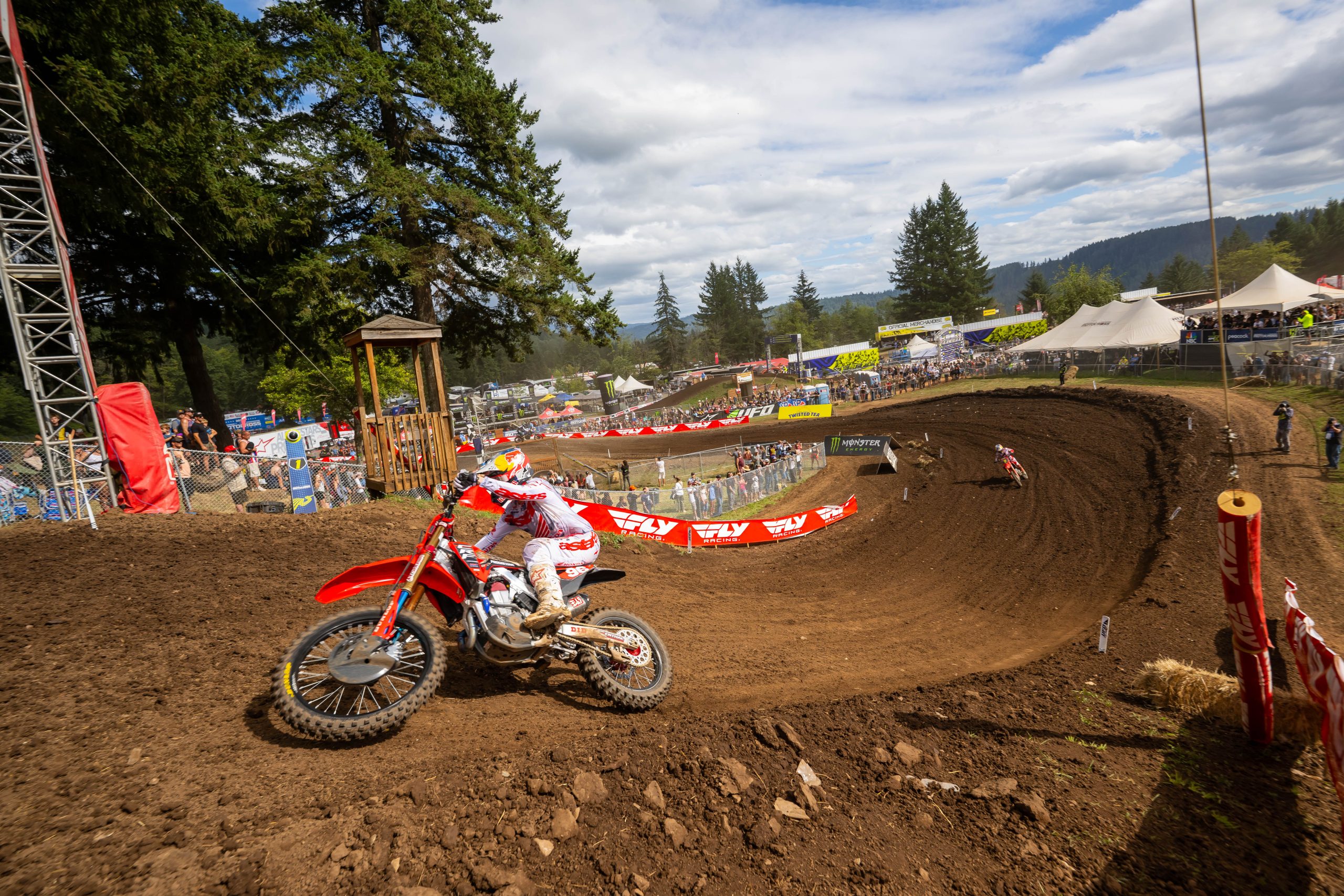
The quarter-litre enduro class has changed dramatically over the past few years. Triumph has entered the fight with the impressive TF 250-E, KTM continues to refine its EXC-F platform, while Husqvarna, GASGAS and Sherco have all lifted the bar with lighter, faster and more capable machines. It’s arguably the strongest the class has ever been.
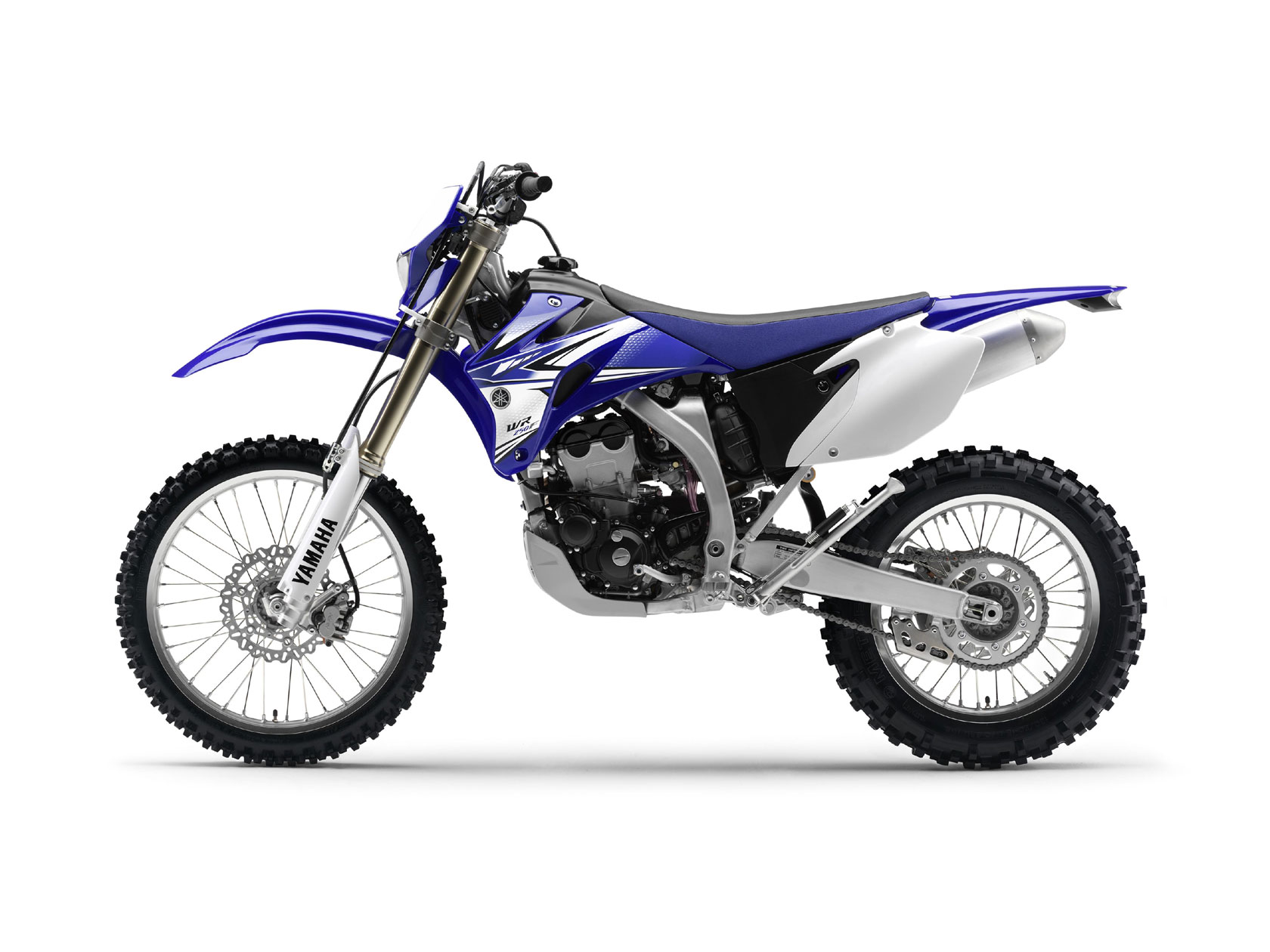
Yet despite all that competition, one bike continues to hold its place as one of Australia’s most sought-after used enduro machines – the Yamaha WR250F.
There’s a good reason for that. Long before today’s crop of high-performance 250Fs arrived, the WR250F built a reputation as the dependable all-rounder. It became one of Australia’s biggest-selling road-registered dirt bikes thanks to its bulletproof reliability, forgiving nature and ability to tackle everything from weekend trail rides to serious enduro competition. While the competition may have caught up in outright performance, very few have managed to earn the sort of reputation the little blue bike has built over the past two decades.
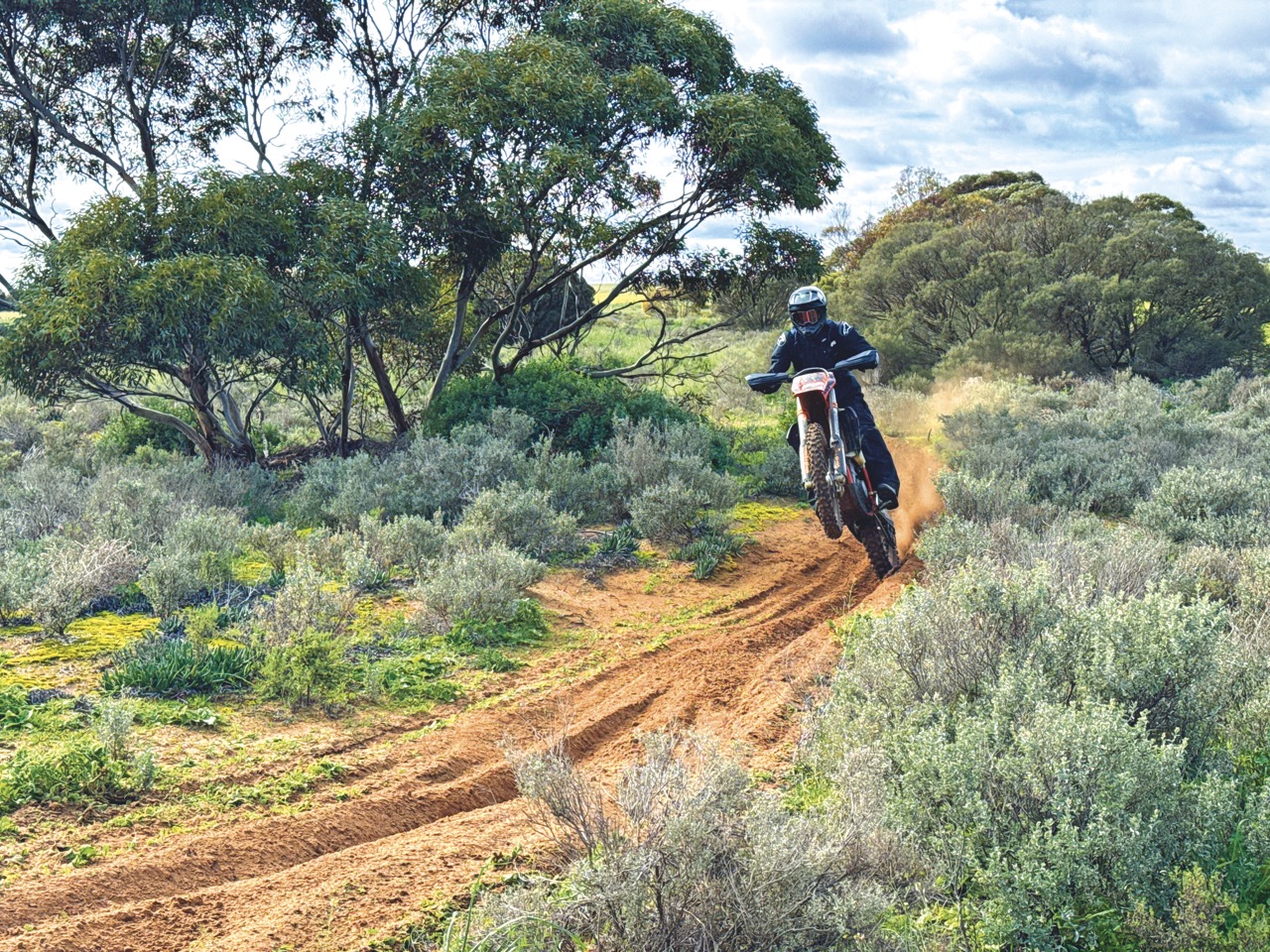
Even today, it’s still one of the smartest second-hand buys if you’re after a capable, reliable and easy-to-own enduro bike. The WR250F has always been Yamaha’s smallest road-legal enduro weapon. Compared with the WR450F, it’s lighter, easier to throw around and far less intimidating, especially once the trail starts tightening up. While the 450 delivers plenty of power, that performance can quickly become hard work for smaller riders or anyone spending long days weaving through technical singletrack.
Less beefy riders generally prefer the WR250F because it’s far less fatiguing to ride and much more forgiving when mistakes happen. If you bury it in a bog hole or have to drag it back up a hill after an unsuccessful climb, you’ll certainly appreciate the smaller capacity and lighter feel. The WR250F is still a seriously capable enduro machine, and plenty of experienced riders deliberately choose the smaller capacity because they can ride it much closer to its full potential.
Underneath, the WR250F uses a DOHC engine with bucket-and-shim valve adjustment. The camshafts act directly on buckets sitting over the valves, with shims used to achieve the correct valve clearances. When valve adjustments are eventually required, the shims need to be replaced with the appropriate thickness to return the clearances to Yamaha’s specifications.
Like most high-revving 250cc four-strokes, these engines have developed a reputation for wearing valves over time. Fortunately, the Yamaha has proven to be one of the more reliable bikes in the class. The biggest factor is simple maintenance. Clean and properly oil the air filter after every ride and the valves will generally live a long and happy life. Neglect the filter and allow dirt into the engine, however, and you’ll accelerate wear not only on the valves but throughout the entire engine.
If you’re looking at buying a used WR250F, the first thing to ask for is its service history. Find out whether it’s been maintained regularly and ask if any major engine work has been carried out, such as piston or valve replacements. If the work has been completed by a qualified motorcycle mechanic, that’s a good sign. If the owner tells you his uncle’s best mate rebuilt it because he once fixed a lawnmower, it’s probably time to keep looking.
Unfortunately, poor-quality home repairs are still something we see all too often.
When inspecting the bike, start the engine from cold and make sure it fires up easily on the electric starter. Starter motors and sprag clutches can wear over time and aren’t cheap to replace. Listen carefully for any unusual rattles, make sure it doesn’t blow smoke and confirm it settles into a nice, steady idle.
Take a close look for oil leaks and inspect the oil tank mounted at the front of the engine. Because of its position, it’s vulnerable to crash damage and should be checked carefully. Open the airbox to make sure it’s clean, then take the bike for a ride and ensure it selects every gear smoothly and the clutch doesn’t slip under load.
Finally, inspect the fork seals for leaks and check the steering head, swingarm and wheel bearings for excessive play or wear. Spending a few extra minutes looking over these areas before handing over your money could save you a lot of headaches later.
The WR250F may no longer be the newest bike in the class, but its reputation wasn’t built overnight. It earned it by being reliable, easy to ride and capable of handling just about anything Australian trail riders could throw at it. Even with a new generation of impressive quarter-litre enduro bikes now filling showroom floors, this little blue weapon remains one of the safest bets on the second-hand market.
NEW
2007 $11,699
2008 $11,999
2009 $11,999
2010 $11,999
2011 $11,999
SECOND HAND
2007 $3550 – $4250
2008 $3800 – $4500
2009 $4050 – $4800
2010 $4700 – $5600
2011 $5100 – $6100
MARKET EQUIVALENT
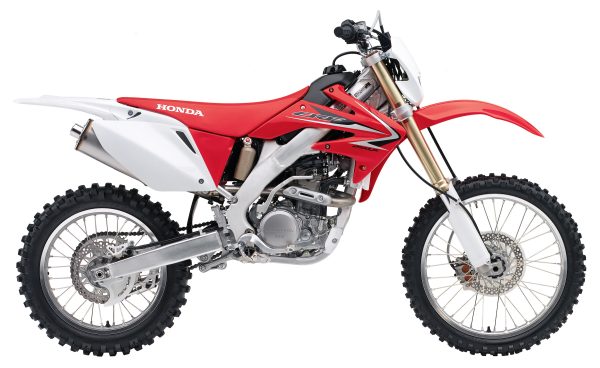
07 – 11 Honda CRF 250X
$3550 – $6050
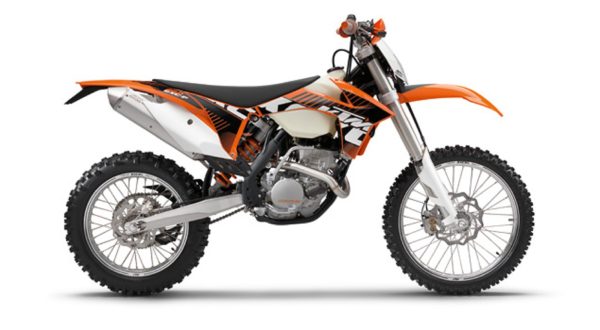
07 – 11 KTM 250 EXC-F
$4000 – $5850
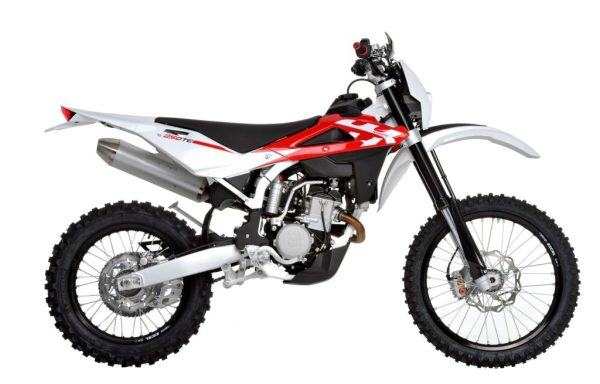
07 – 11 Husqvarna TE 250
$4400 – $6600
07 – 11 Suzuki DR-Z 250
$2050 – $3450
CHASSIS:
The frame is made of several aluminium parts that are welded together and is pretty strong.
BRAKES
The WR has hydraulic Nissan brakes front and rear with a floating disc on the front and a fixed one on the rear.
ENGINE
The DOHC cylinder-head features bucket and shim adjustment.
SUSPENSION
Check the KYB fork for leaking seals, scratched stanchions and any binding or noise that would suggest internal damage.
WEIGHT:
The WR comes in at about 118kg wet.